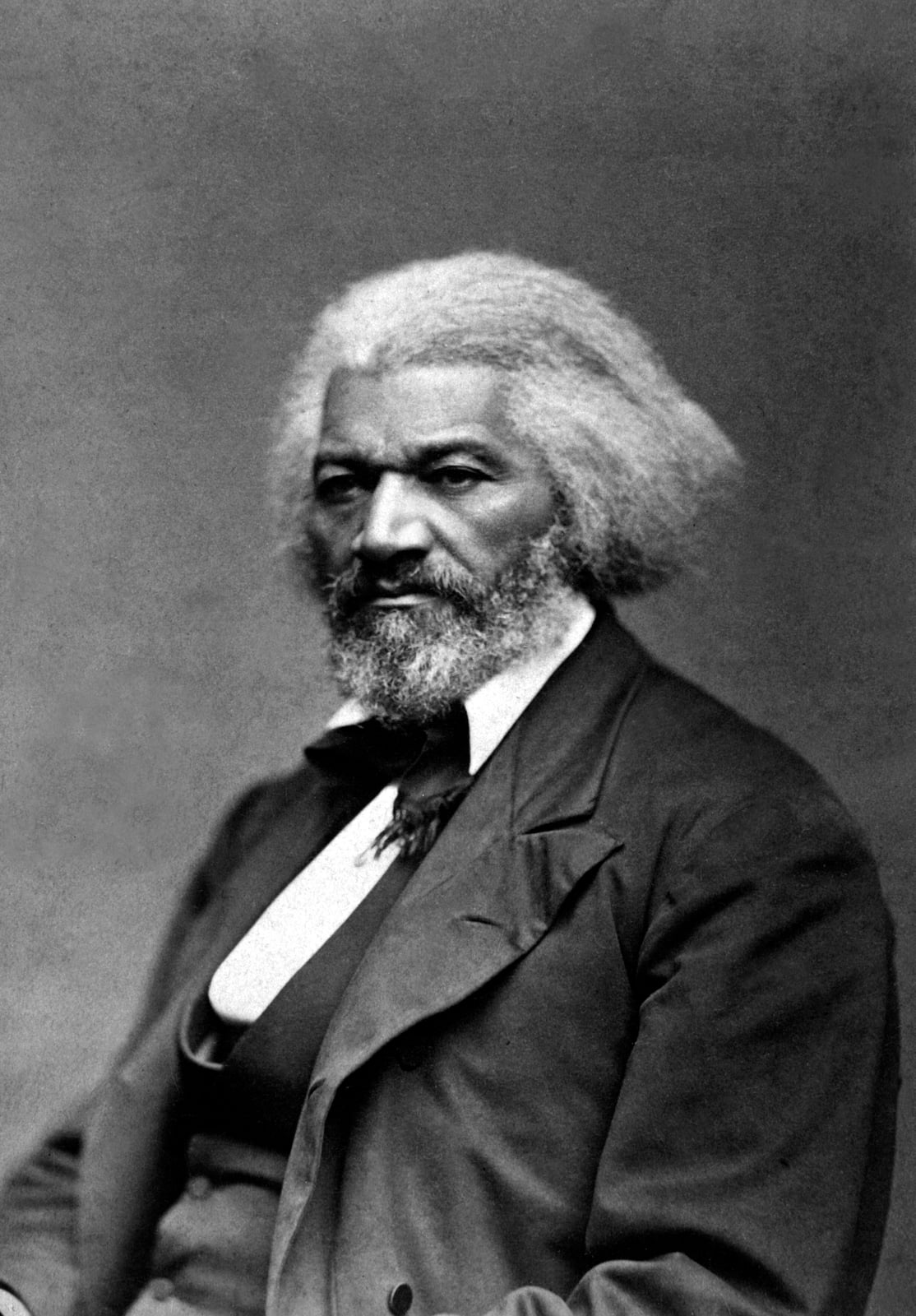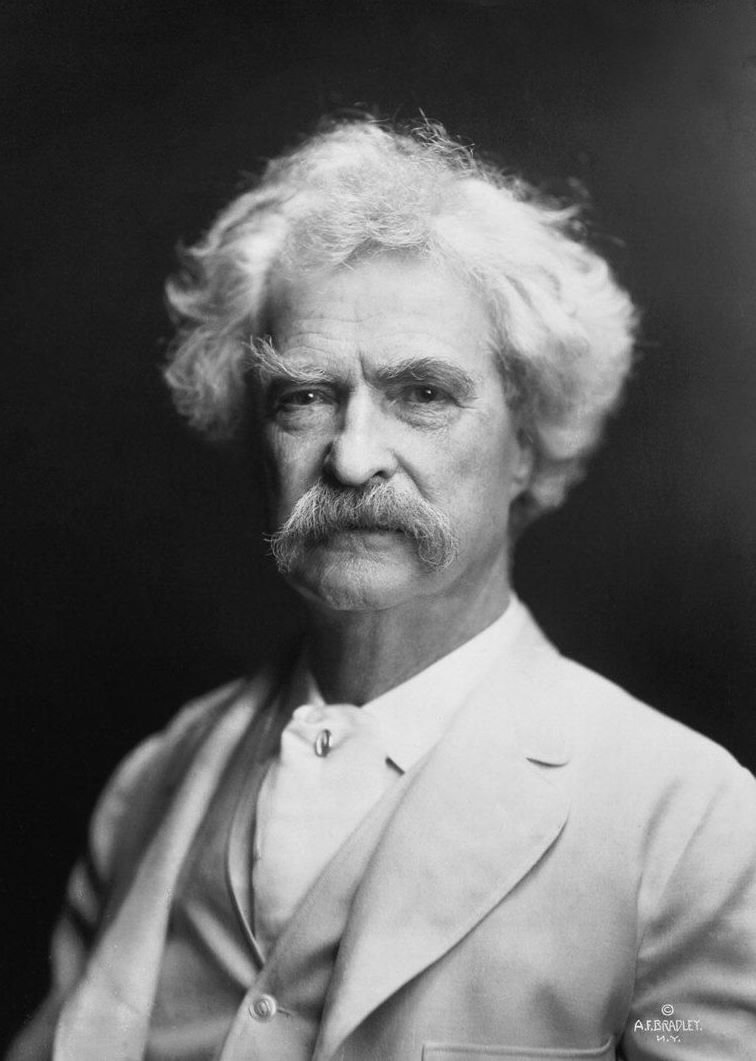
Mark Twain
93% Profile Match
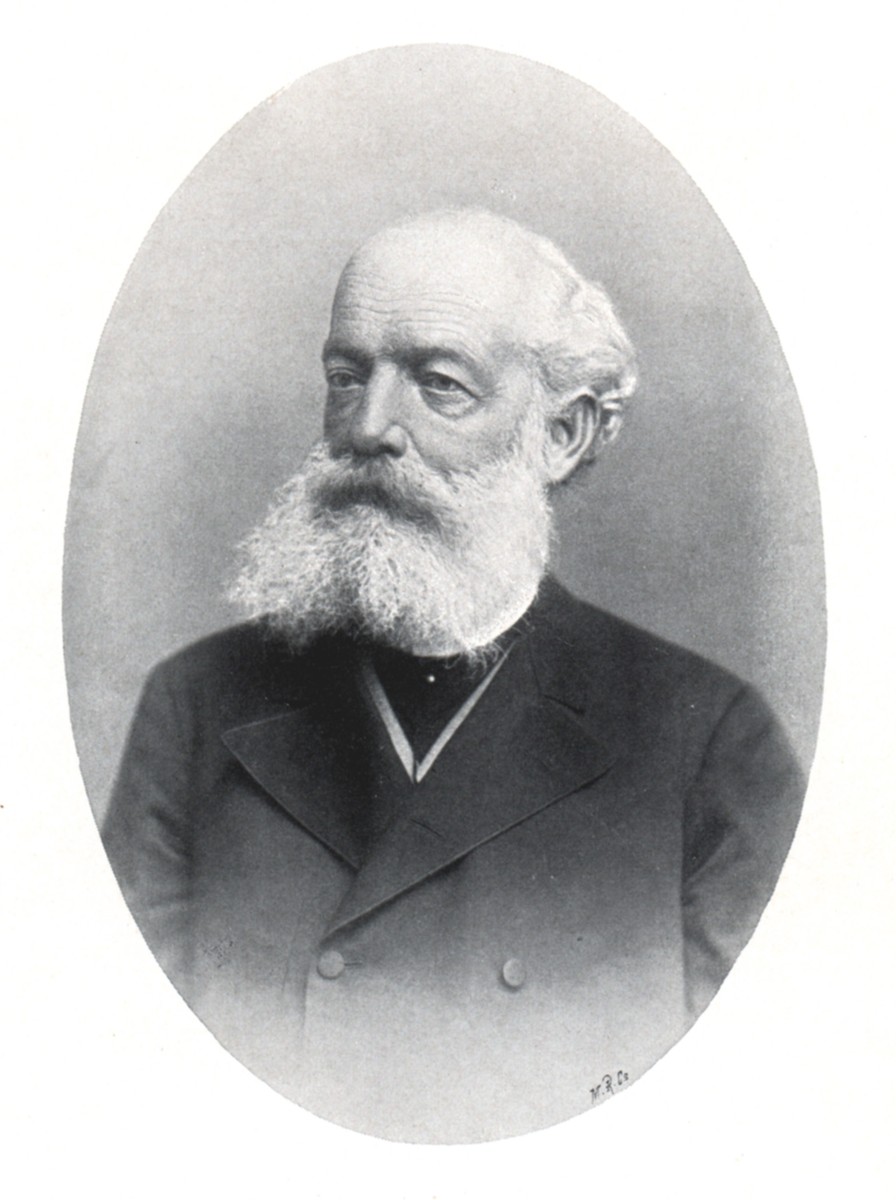
Unidentified photographer, Portrait of August Kekule, before 1896, Dibner Library Scientific Identity portraits, Smithsonian Institution Libraries (SIL14-k001-07) · Portrait photograph of August Kekule by an unidentified photographer, a print 11.9 x 8.2 cm dated by the holder 'prior to 1896', in Scientific Identity: Portraits from the Dibner Library of the History of Science and Technology, Smithsonian Institution Libraries (SIL14-k001-07), published on the Smithsonian Flickr Commons stream with the statement 'No known copyright restrictions'. The page carries the printed caption 'August von Kekule' and his signature, which identifies the sitter, and the picture is a printed plate, so it is a reproduction of a photograph from before his death. The basis is age: it was made no later than 1896 by a photographer who is not known, so any copyright term (a few decades after publication for an anonymous work in Germany, at most 120 years from creation in the United States) ended before 1996, and no restoration applies. The file is the Wikimedia Commons copy of the Smithsonian upload (original 2032 x 3074 pixels), cropped to the oval portrait and downscaled only, to 896 x 1200; no upscaling. · Public domain by age (made before 1896, photographer unknown); Smithsonian Libraries: no known copyright restrictions
chemist · 19th Century
1829–1896
Not yet included in personality matching — the documented evidence doesn't yet cover enough of the personality model. Everything else on this page is fully available.
In 1857-58 proposed that carbon is tetravalent and that carbon atoms link into chains, laying the foundation of the structural theory of organic chemistry, which he set out in his four-volume textbook; Archibald Couper reached a similar idea at about the same time.
Proposed in 1865 that benzene's six carbon atoms form a ring, a structure that was much contested but never replaced by a better theory and that, Britannica says, gave the scientific basis for the growth of the German chemical industry.
Taught and led research groups at Ghent and, from 1867, Bonn, where he took charge of a large new laboratory; his first doctoral student Adolf von Baeyer later won a Nobel Prize.
After Liebig's death he was invited to succeed him at Munich, declined, and suggested his first doctoral student, Adolf von Baeyer.
This is consistent with the head of a research school who put forward a student for a leading post. Leadership Drive
Called to Ghent in 1858, he taught chemistry there in French, a language he is said to have mastered completely.
This is consistent with someone who could move between countries and teaching languages. Adaptability
In 1865, while working at Ghent on his textbook, he proposed a ring structure for benzene, extending his chain theory to aromatic compounds.
This is consistent with a theorist extending a structural scheme to a problem it could not yet explain. Systems Thinking
People whose overall profiles resemble theirs.

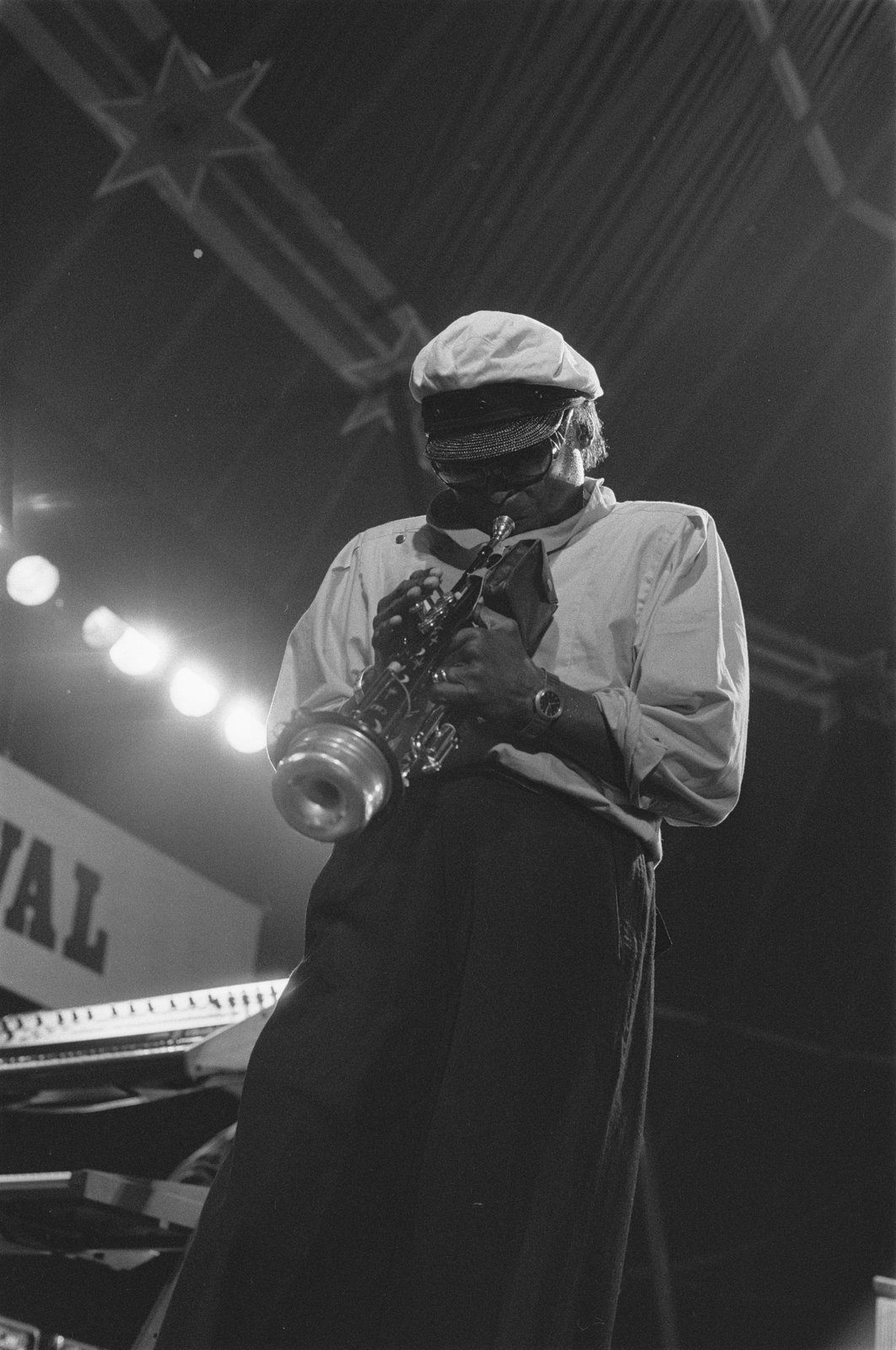
Not a rival — a different profile shape worth a look.