Mahatma Gandhi
94% Profile Match
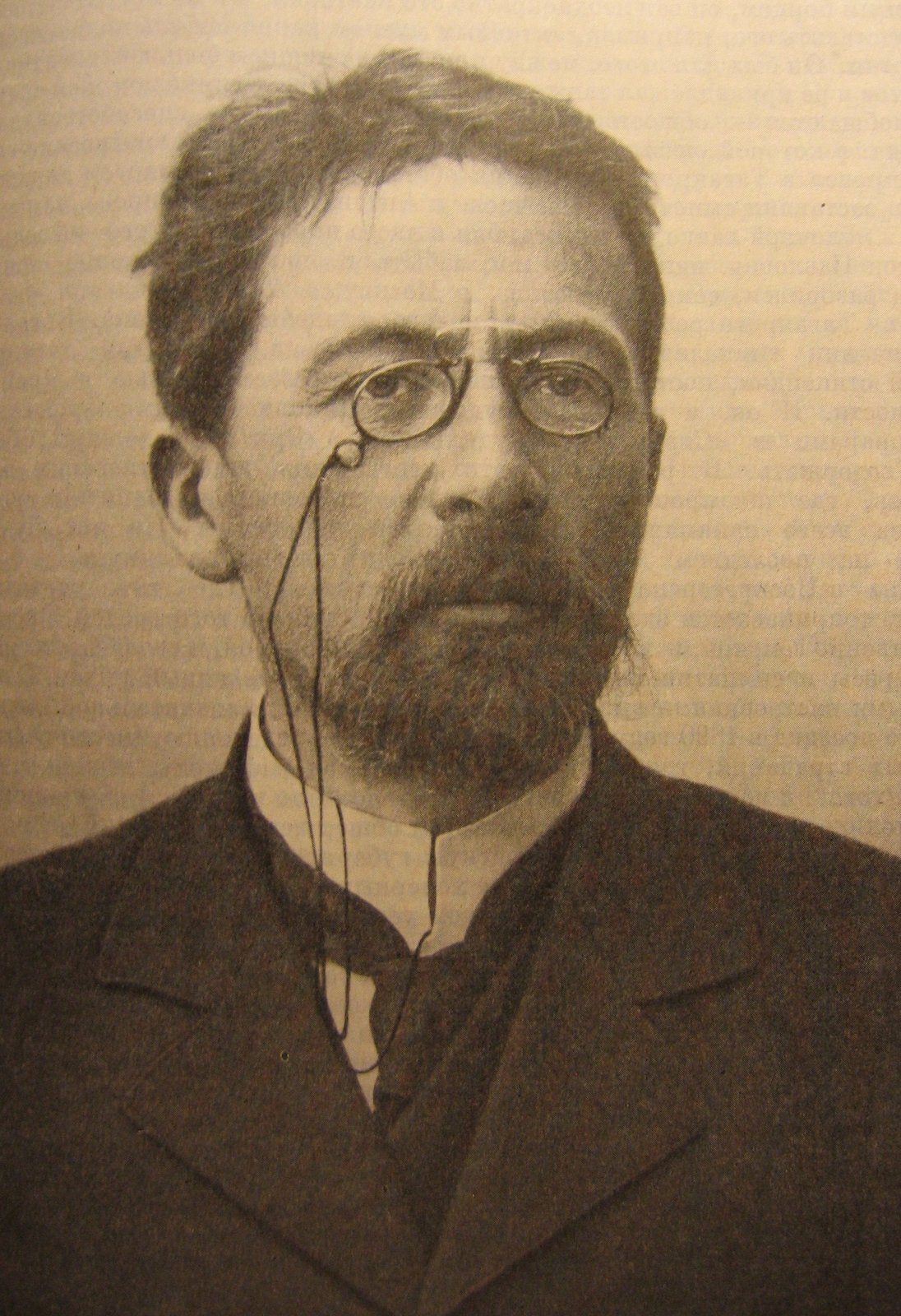
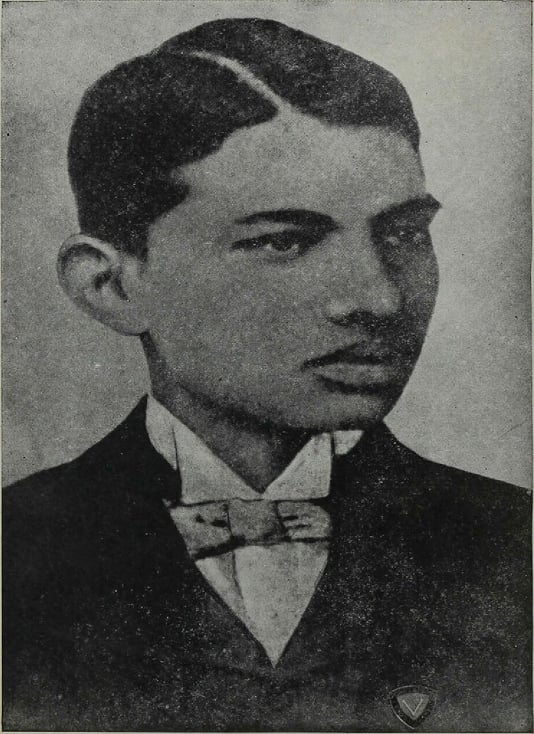
Unknown photographer, 1903 or 1904 — reproduced in Литературное наследство (Literaturnoye Nasledstvo), vol. 68 · Wikimedia Commons · Public domain (published in the former Russian Empire before 7 November 1917, no Berne-Convention country of origin; also PD in the US as published before January 1, 1931)
Chekhov practiced medicine throughout his writing career, charging modest fees of three to five roubles while treating roughly half his patients for free, and personally absorbing significant travel costs to visit patients in the countryside.
Chekhov's civic work around Melikhovo extended beyond medicine and writing: his letters document Zemstvo service, participation in the local cholera campaign, and practical work on local roads and schools.
At a social gathering, three fashionable women pressed Chekhov for his opinion on Turkish-Greek politics; he deflected by saying "I love candied fruits… don't you?" — after which, by his friend Maxim Gorky's account, all three began talking with animated interest about confectionery instead.
According to his friend Alexander Kuprin, despite keeping regular working hours in his study each morning, "nobody ever managed to find him writing: in this respect he was extraordinarily reserved and shy."
This documented reserve about his own private process is the central evidence behind the profile's autonomy_need score. Need for Autonomy
In an 1886 letter, Chekhov gave his troubled younger brother Nikolay specific, structured moral advice — respecting others' personhood, honoring debts, being sincere — rather than a vague scolding.
In 1886 the established writer Dmitry Grigorovich's encouragement prompted Chekhov to change how he approached his craft, moving from what he later called careless, "mechanical" writing done "in the bathing-shed" to a deliberately serious practice.
This documented shift, tied to a specific outside intervention rather than a gradual change of mind, is one instance behind the profile's belief_updating score. Belief Updating
The hostile reception of The Seagull's 1896 premiere left him privately ashamed and "vexed"; his own letters describe recovering his emotional footing specifically after a friend's reassuring letter, rather than simply through time alone.
Recovering specifically after a friend's letter, not merely "over time," is the documented basis for the profile's adaptability score being scored dual_edged rather than a simple strength. Adaptability
People whose overall profiles resemble theirs.