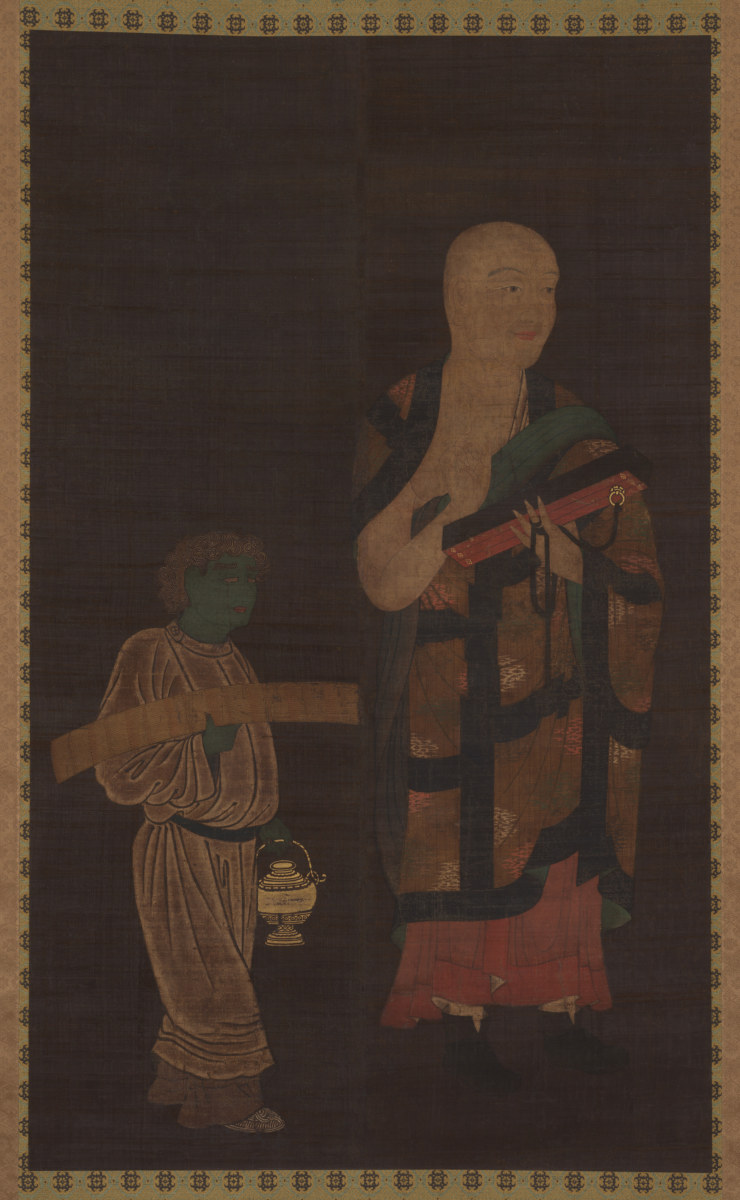

Attributed to Kasuga Motomitsu, Portrait of Xuanzang (Genjo) with Attendant, 14th century, The Metropolitan Museum of Art, H. O. Havemeyer Collection, Gift of Horace Havemeyer, 1929 · Portrait of Xuanzang with an attendant, hanging scroll in ink and color on silk, attributed to Kasuga Motomitsu, 14th century (Kamakura period), The Metropolitan Museum of Art, object 45372, H. O. Havemeyer Collection, Gift of Horace Havemeyer, 1929. The work is about seven hundred years old, and the museum's open-access record marks the image as public domain. A devotional painting made centuries after the monk's death, so shown as a later depiction and not a likeness. Original museum image 2468 x 4000 pixels, downscaled to 740 x 1200 with no cropping and no upscaling. · Public domain (artwork by age; museum open-access image)
학자 · 중세
현장
602–664
당나라
주요 업적 분야
아직 성격 매칭에 포함되지 않았습니다 — 기록된 근거가 성격 모델 전체를 다루기에는 충분하지 않습니다. 이 페이지의 다른 모든 내용은 자유롭게 확인하실 수 있습니다.
핵심 특성
주요 업적
당나라의 승려 현장은 황제의 출국 금지에도 불구하고 인도로 떠나(627년 또는 629년으로 전함) 날란다에서 공부했고, 645년 불전 657부로 전해지는 경전을 가지고 중국으로 돌아왔다.
장안에서 국가가 후원하는 번역 사업을 이끌었으며, 그의 팀은 18년 동안 1,338권(장)을 번역했고 그 가운데 최소 75종은 그가 직접 번역했다.
그의 『대당서역기』는 당시 중앙아시아와 남아시아에 관한 가장 좋은 사료의 하나로 남아 있으며, 그의 여정은 『서유기』 전설의 바탕이 되었다.
삶의 장면들
서쪽으로 가려는 청원이 거부되자 그는 공식 허가 없이 중국을 떠나 불교의 본고장으로 향했고, 기록에 따르면 중앙아시아를 건너는 동안 여러 번 죽을 고비를 넘겼다.
이는 학문적 목표를 위해 개인적 위험을 크게 감수하는 성향과 부합하나, 전승에 기댄 자료에 근거한다. 위험 감수
전환점
645년 장안으로 돌아와 성대한 환영을 받은 그는 가져온 경전을 번역하는 일에 여생을 바쳤다.
이는 여행과 수학에서 장기적이고 조직적인 번역 작업으로의 전환과 부합한다. 끈기
비슷한 인물
전체적인 프로필이 이 사람과 닮은 사람들이에요.


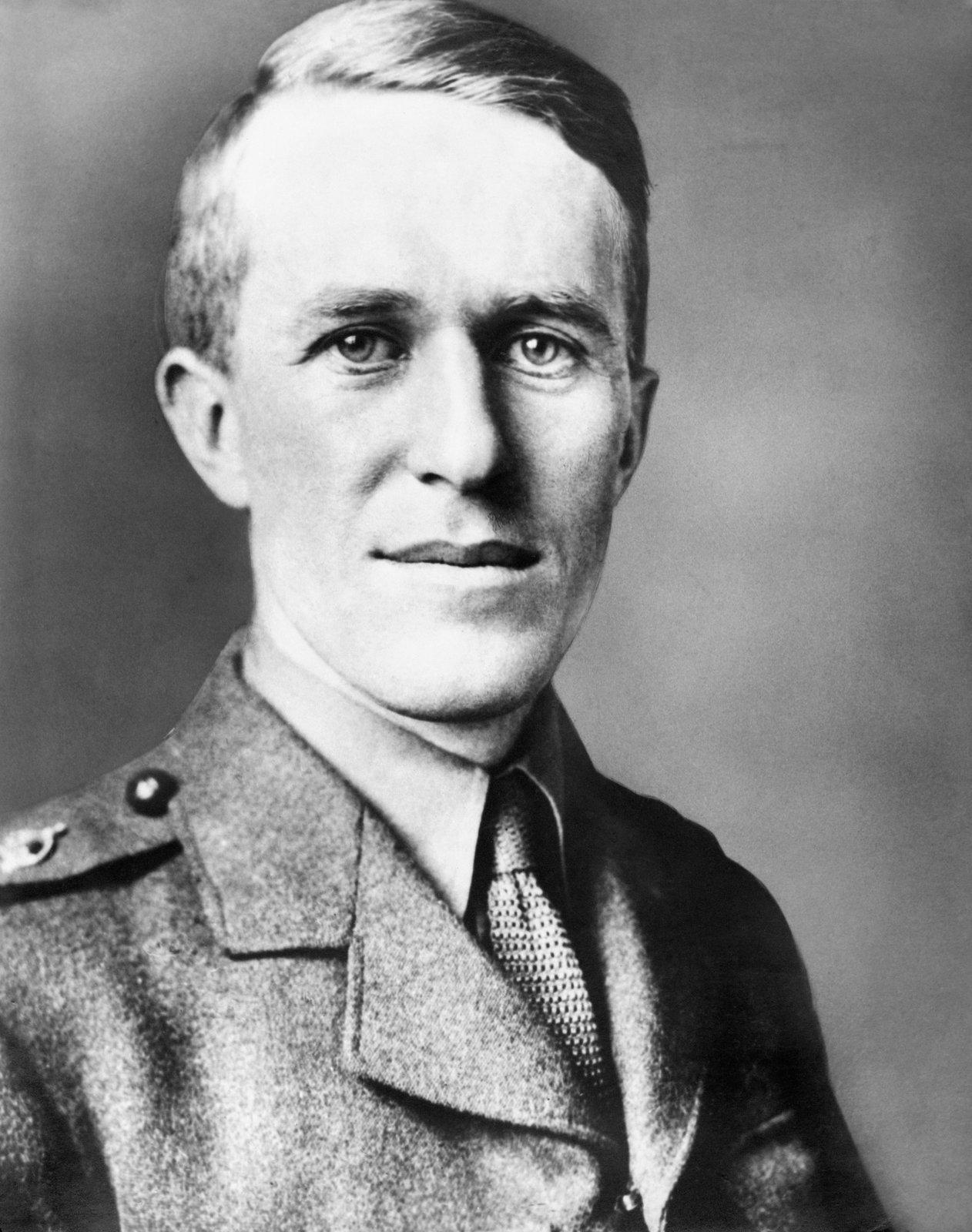
T. E. 로렌스

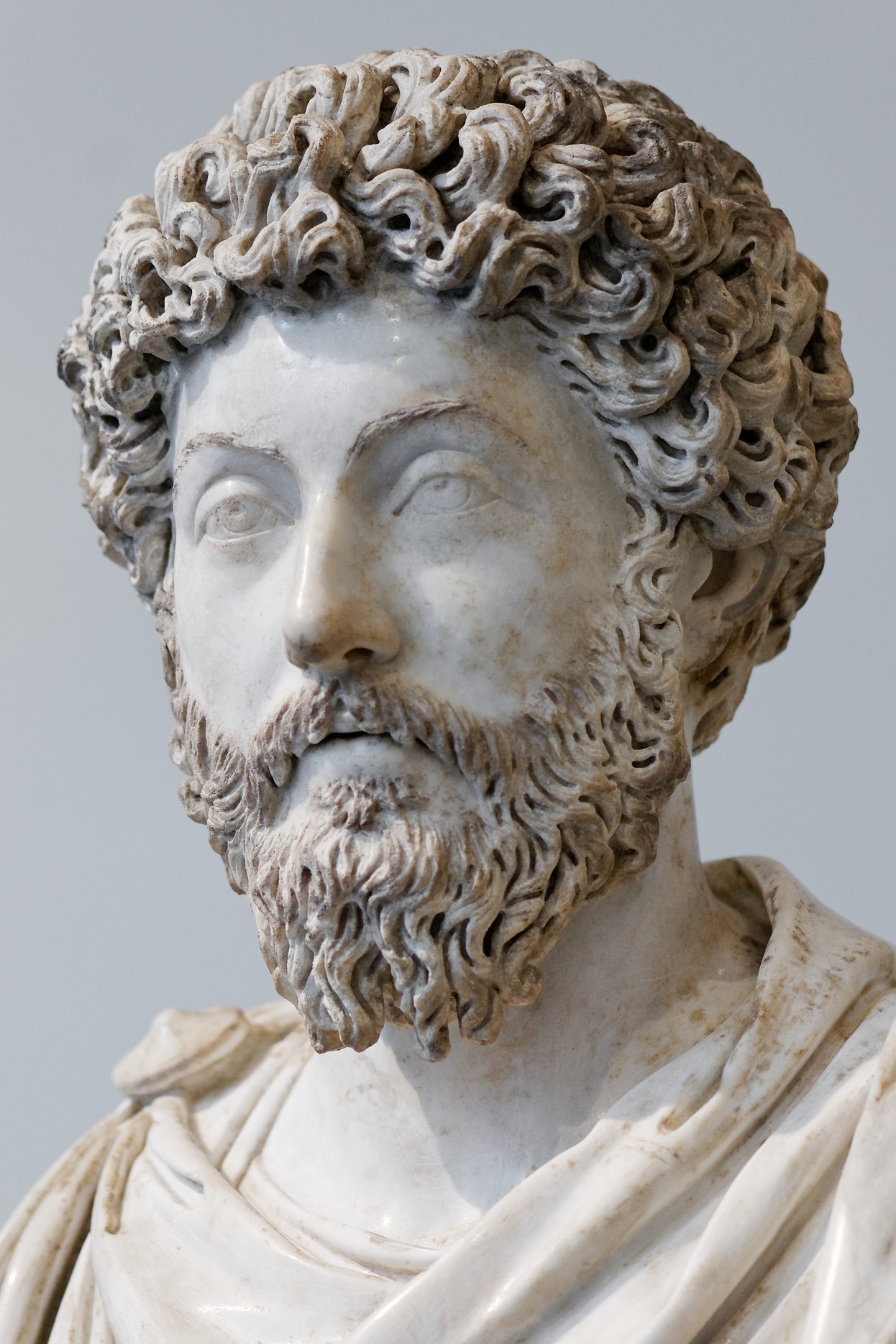
마르쿠스 아우렐리우스

넬슨 만델라

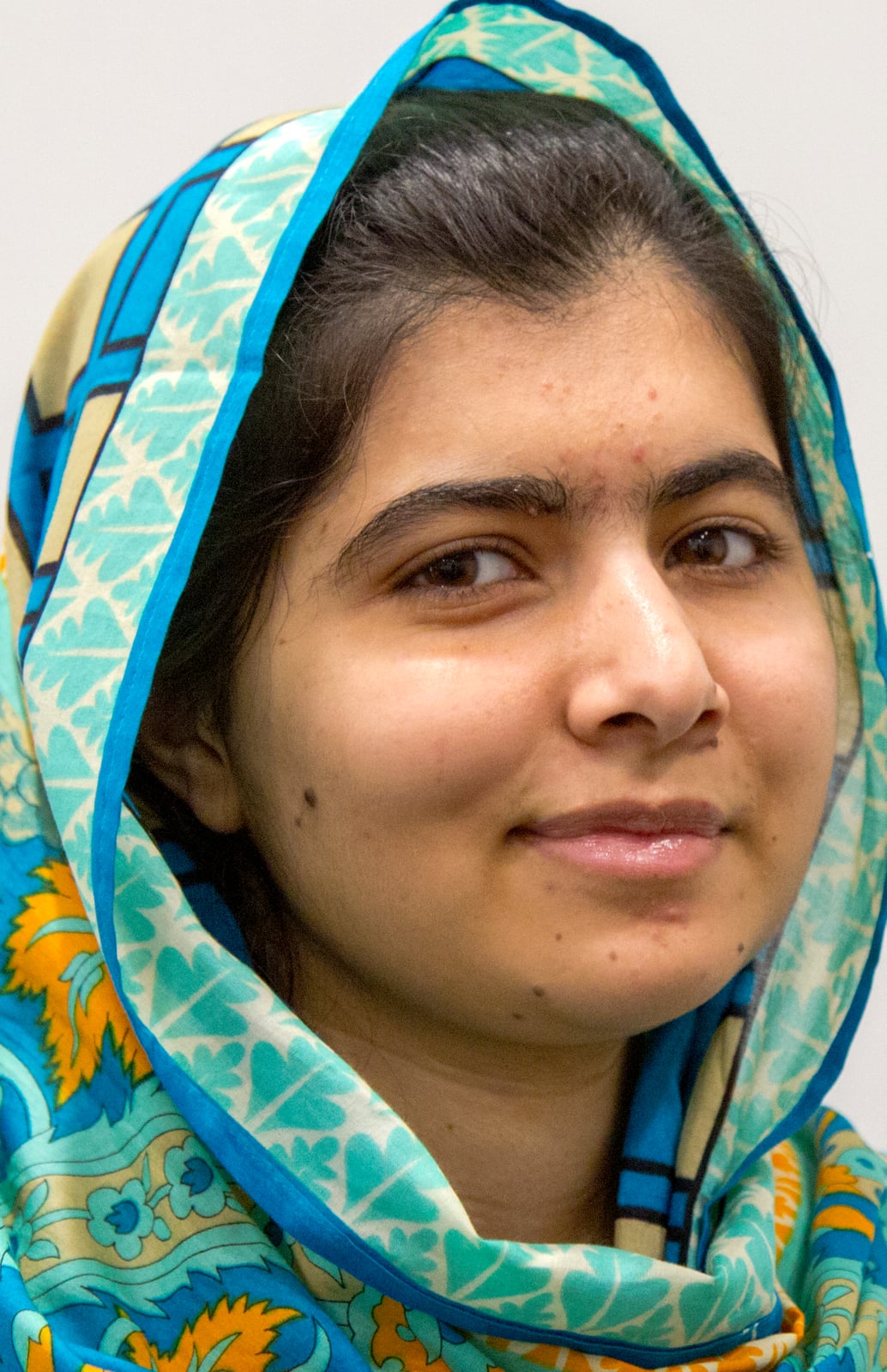
말랄라 유사프자이

엘리자베스 블랙웰
출처
- Xuanzang (Q42063), verified live via the Wikidata API (2026-10-28): label 'Xuanzang', description '7th-century Chinese Buddhist monk and scholar (602-664)', Korean label present, image 'Xuanzang w.jpg'. Orientation only; not used as support for any row.
- Encyclopedia of Religion, 'Xuanzang' (via Encyclopedia.com; read in full). CANONICAL SIGNIFICANCE SOURCE: a scholarly entry that says he left China in 627 without official approval, studied at Nalanda, returned in 645 with Buddhist texts and artifacts, wrote the Da Tang xiyu ji, directed a lavishly funded translation project, and later became the prototype of the Tripitaka figure in Journey to the West. It marks several episodes as reported ('we are told'), calls him a 'radical conservative' and says his school's influence in China faded quickly.
- World Eras entry 'Xuan Zang' (via Encyclopedia.com; read in full): journey from 629, arrival in India 633, study at Nalanda, return in 645 with 657 texts, and a translation project in which his team of 185 workers translated 1,338 chapters in eighteen years, he himself at least 75 works; the Records as one of the most valuable accounts of the regions. General history reference.
- Edward H. Kaplan, review of Sally Hovey Wriggins, 'Xuanzang: A Buddhist Pilgrim on the Silk Road', The Historian 60(3), 1998 (read in full via the National Taiwan University Buddhist library copy): treats Xuanzang as an explorer comparable to Zhang Qian, says the book synthesises scholarship, and describes the Records and a colleague's biography as still extant. Academic book review; the book itself was not opened.
- Tricycle (Buddhist magazine), review of Wriggins's 'Xuanzang: A Buddhist Pilgrim on the Silk Road' (read in full): says he went to India in 629 despite an imperial ban, nearly died of thirst and was attacked by robbers, returned in 645 with the largest collection of scriptures to reach China, and dictated his experiences to the monk Huili. A sympathetic Buddhist publication retelling the biography tradition.
- The Metropolitan Museum of Art collection record 45372, 'Portrait of Xuanzang (Genjo) with Attendant', attributed to Kasuga Motomitsu, 14th century (checked for the portrait only; not used for any scoring).