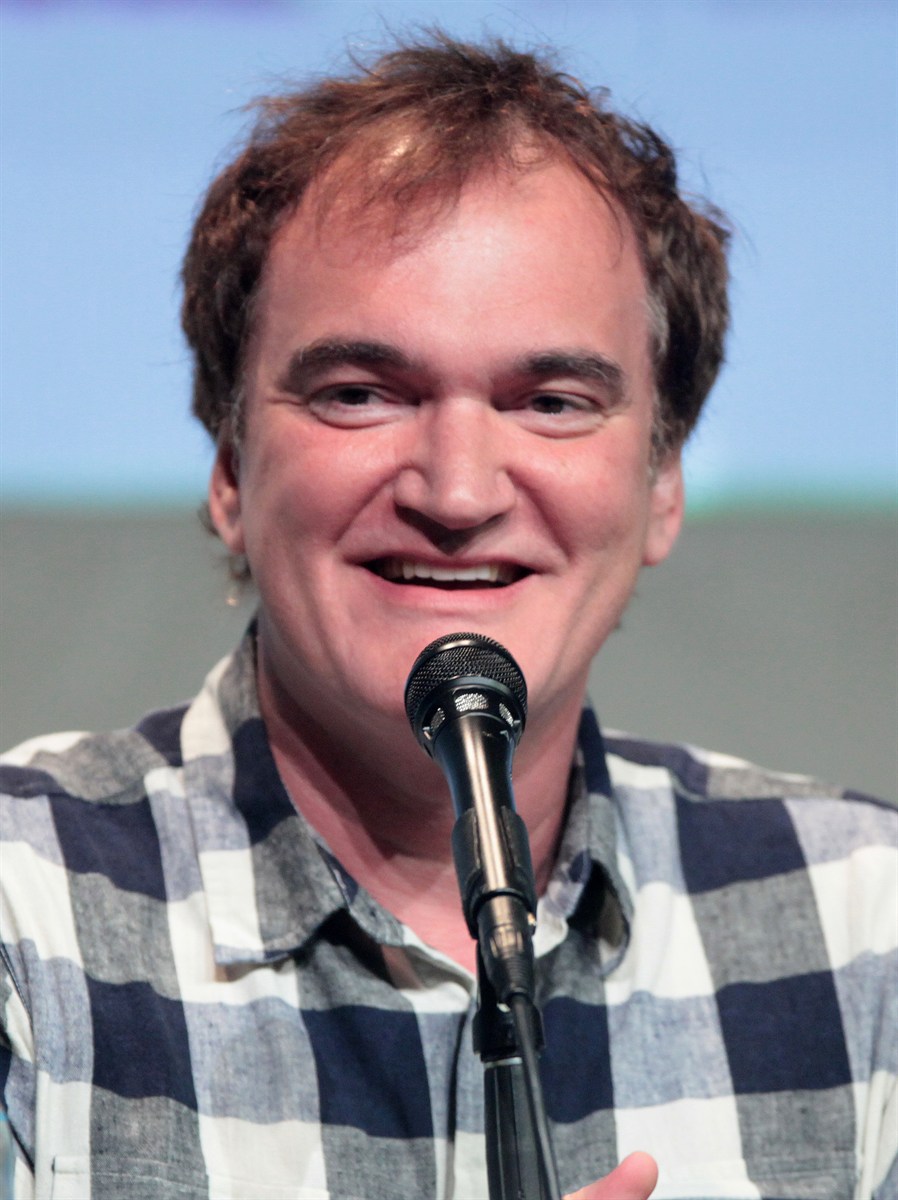

Photo: Gage Skidmore, 2015, CC BY-SA 3.0 · Wikimedia Commons, 'Quentin Tarantino by Gage Skidmore.jpg' -- photograph by Gage Skidmore, taken 11 July 2015 at the San Diego Comic-Con International (The Hateful Eight panel) and uploaded to Commons by the photographer himself ('Own work', 15 July 2015); the current file version is byte-identical (SHA-1 838f504f) to his original upload, two later edited versions by other users having been reverted. Original 2256 x 3016 pixels, Canon EOS 5D Mark II; saved here downscaled once to 898 x 1200 pixels (no crop, never upscaled). · CC BY-SA 3.0
영화감독 · 현대
쿠엔틴 타란티노
b. 1963
주요 업적 분야
아직 성격 매칭에 포함되지 않았습니다 — 기록된 근거가 성격 모델 전체를 다루기에는 충분하지 않습니다. 이 페이지의 다른 모든 내용은 자유롭게 확인하실 수 있습니다.
핵심 특성
주요 업적
타란티노는 비디오 가게에서 일하며 『트루 로맨스』 같은 시나리오를 쓰다가, 1992년 자신이 쓴 저예산 범죄 영화 『저수지의 개들』로 감독 데뷔를 했다. 바이오그래피닷컴에 따르면 프로듀서 로렌스 벤더가 제작비 마련을 도왔고 하비 케이틀이 배우 겸 제작자로 합류했으며, 선댄스는 이 영화가 1992년 선댄스영화제에서 상영되자 큰 반향을 일으켰다고 쓴다.
『펄프 픽션』(1994)은 그가 연출하고 쓴 영화로(스토리 크레딧은 로저 에이버리와 공동), 1994년 칸영화제 황금종려상과 아카데미 각본상(스크린을 위해 직접 쓴 각본 부문)을 받았다. 칸영화제는 이 영화를 건달 둘과 보스의 여자 친구, 아버지의 시계를 되찾으려는 권투 선수, 시체와 피로 얼룩진 차라는 세 이야기로 소개하고, 비평가 조너선 로즌바움은 시간 순서를 뒤섞은 서로 맞물린 범죄 이야기 모음으로서 구성이 기발하다고 평했다.
이후 『재키 브라운』(1997), 『킬 빌』 1·2부(2003~2004), 『바스터즈: 거친 녀석들』(2009), 『장고: 분노의 추적자』(2012), 『헤이트풀8』(2015), 『원스 어폰 어 타임 인 할리우드』(2019)를 내놓았다. 『장고: 분노의 추적자』로 두 번째 아카데미 각본상(오리지널 각본 부문)을 받았고, 『헤이트풀8』은 울트라 파나비전 70으로 촬영해 70mm 로드쇼 개봉을 계획했다.
삶의 장면들
『헤이트풀8』(2015)을 준비하던 타란티노는 『아메리칸 시네마토그래퍼』에 필름으로 개봉할 수밖에 없는 포맷으로 촬영할 수 있겠다고 생각했다고 말했다. 그는 촬영감독 로버트 리처드슨과 함께 울트라 파나비전 70을 되살렸고, 영화는 서곡과 인터미션을 갖춘 70mm 상영을 약 100개 극장에서 2주간 하는 것으로 계획되었다. 영화학자 데이비드 보드웰은 이를 위해 영사기 100여 대를 찾아 정비하고 설치해야 했다고 전했다.
대형 필름 포맷에 대한 선호를 지키며 제작과 상영 방식을 그에 맞춰 짜는 태도와 일치한다. 독립적 사고
타란티노는 2009년 『필름메이커』와의 인터뷰에서(슬래시필름이 인용) 시나리오를 손으로 쓴 뒤 워드프로세서에 손가락 하나로 원고 전체를 다시 타이핑한다고 말했다. 『저수지의 개들』 때부터 이어 온 방식이라고 했다. 그는 이 과정을 과하게 쓴 대목을 걸러 내는 '아주 좋은 필터'라고 부르며, 『저수지의 개들』에서 인물들이 암호명 색깔을 두고 말다툼하는 장면은 다시 타이핑하는 중에 생겨났다고 말했다.
자기 글을 직접 손으로 다듬는 의도적인 편집 단계를 두는 태도와 일치한다. 디테일 지향
전환점
1992년 타란티노는 시나리오를 쓰던 데서 한 걸음 나아가 『저수지의 개들』로 직접 연출에 나섰다. 바이오그래피닷컴에 따르면 프로듀서 로렌스 벤더가 제작비 마련을 도왔고 하비 케이틀이 배우 겸 제작자로 합류했다. 선댄스에 따르면 이 저예산 영화의 편집자 샐리 멩키는 각본을 보고 일을 맡고 싶어 했으며, 이후 『바스터즈: 거친 녀석들』(2009)까지 그의 영화를 편집했다.
첫 영화를 중심으로 오래 이어질 협업자 집단을 꾸리는 태도와 일치한다. 협업 성향
비슷한 인물
전체적인 프로필이 이 사람과 닮은 사람들이에요.


레오나르도 다빈치

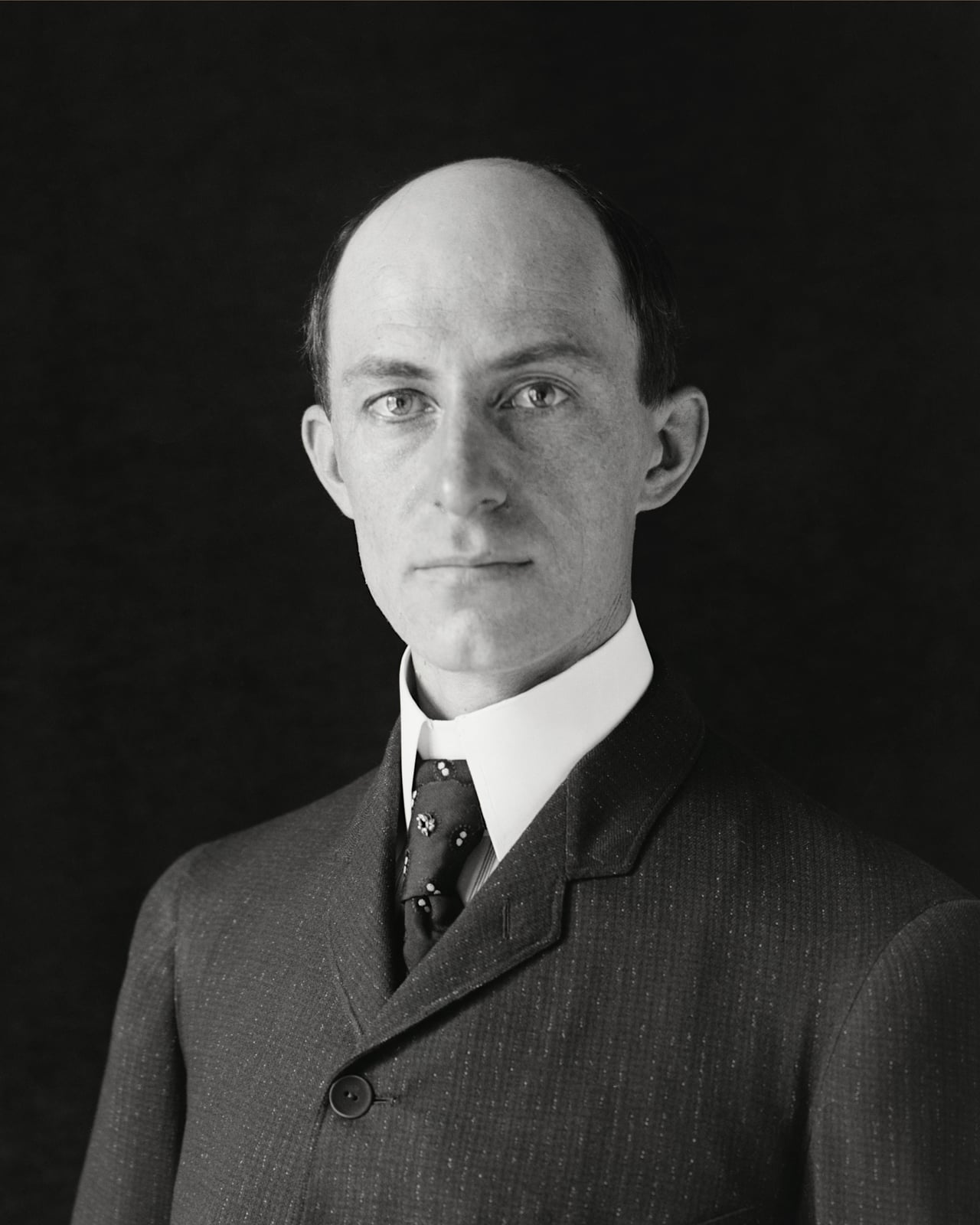
윌버 라이트

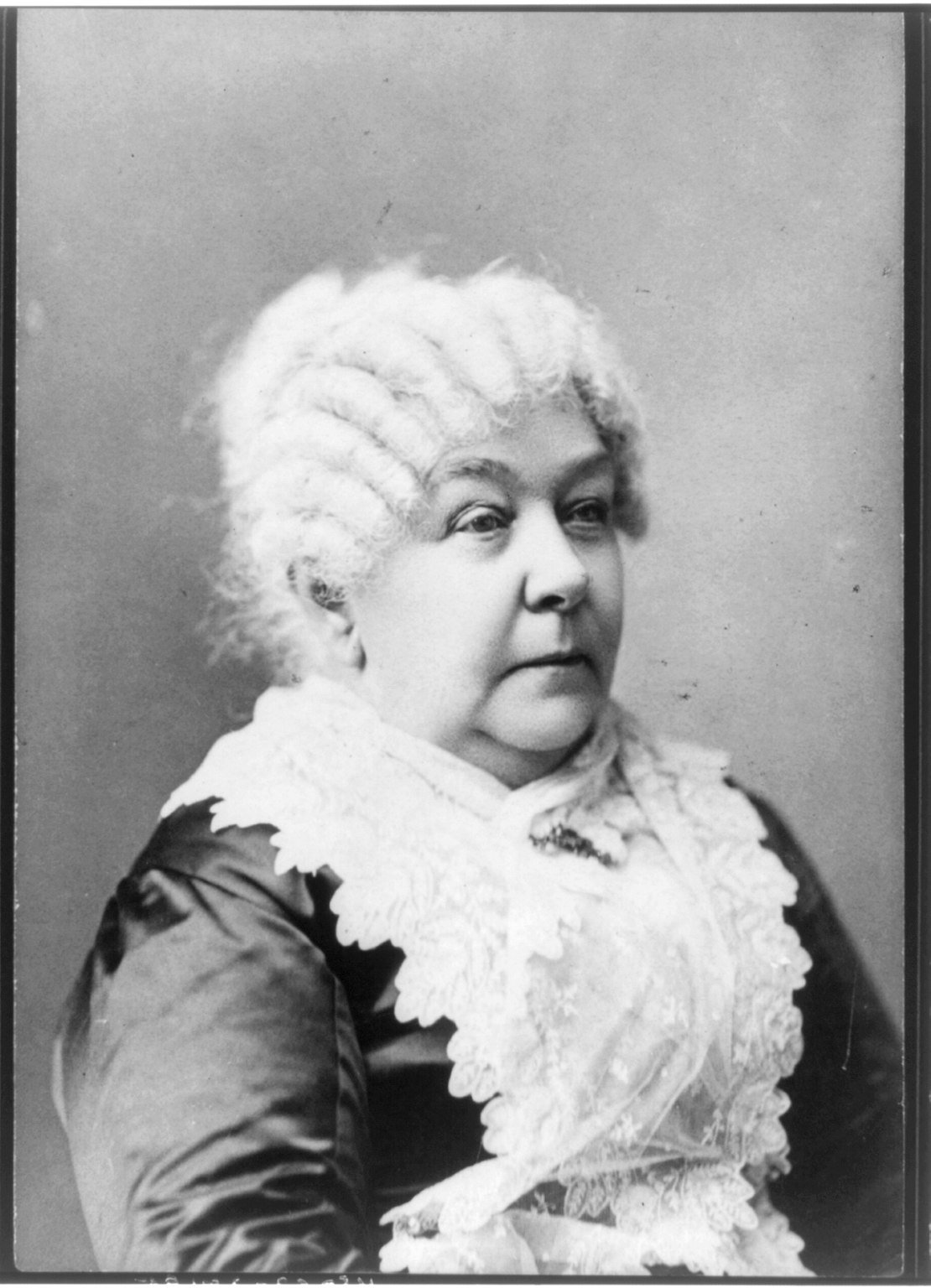
엘리자베스 케이디 스탠턴

소르 후아나 이네스 데 라 크루스

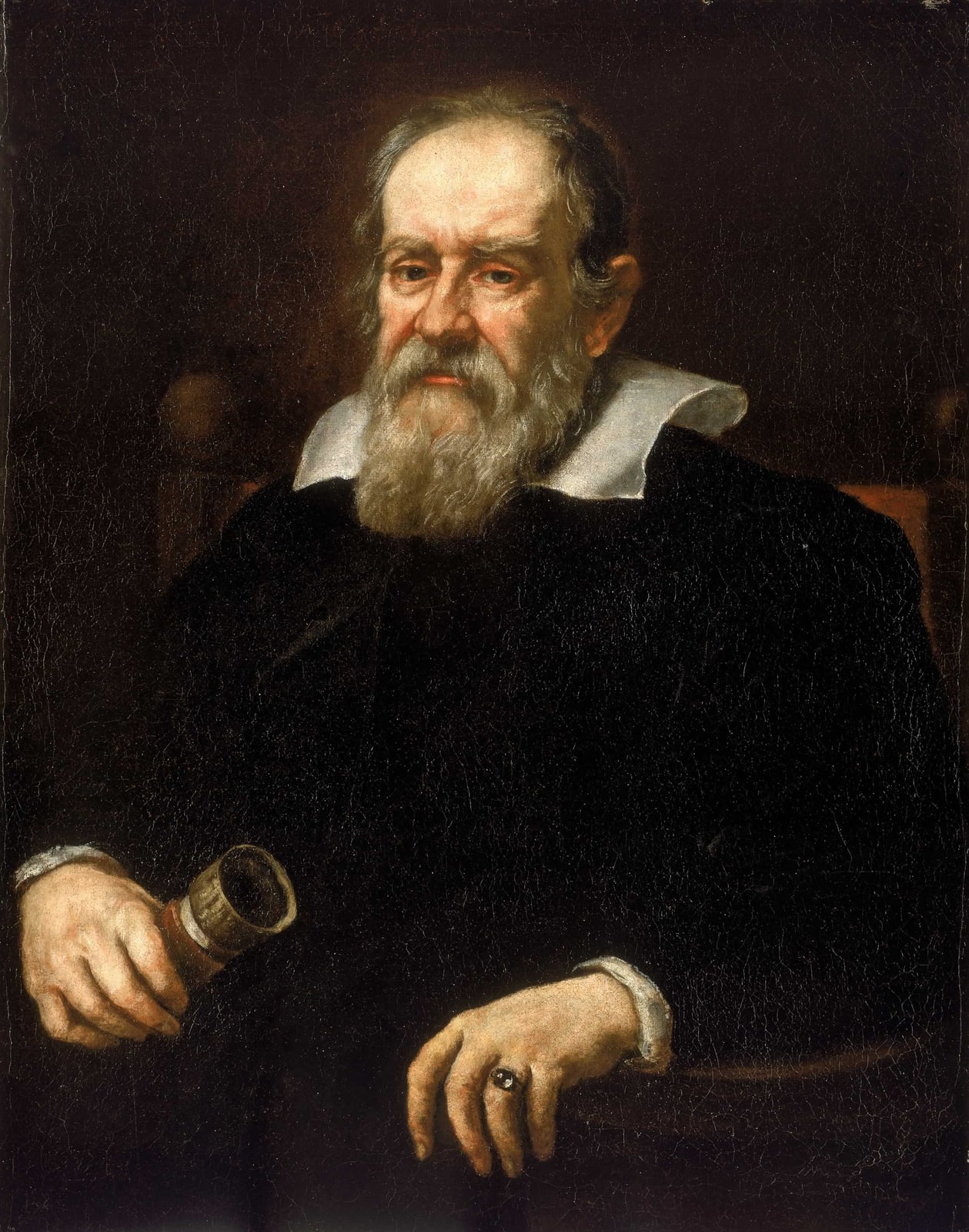
갈릴레오 갈릴레이
출처
- Quentin Tarantino (Q3772) -- verified live via the Wikidata API (2026-10-16): English label 'Quentin Tarantino', description 'American filmmaker and actor (born 1963)', born 27 March 1963, no date of death, citizenship United States, Korean label present. Orientation only; not used as support for any row.
- Festival de Cannes, official-selection page for 'Pulp Fiction' (1994, In Competition, marked 'Palme d'or 1994'; festival-cannes.com) -- the festival's own record for the film: directed by Quentin Tarantino, United States, 149 minutes, screenplay credited to Roger Avary and Quentin Tarantino, cinematography by Andrzej Sekula, editing by Sally Menke, production design by David Wasco, with its cast list and a three-story synopsis (two hired men keeping their boss's girlfriend from overdosing, a boxer risking his life to recover his father's watch, and the problem of disposing of a dead body and a blood-soaked car). Institutional record of the prize and credits only; no statement about anyone's behaviour and no trait row rests on it. Read in full. CANONICAL SIGNIFICANCE SOURCE (with the Academy records below; see provenance notes).
- Academy of Motion Picture Arts and Sciences, '67th Academy Awards | 1995' ceremony page (oscars.org) -- the Academy's own winners record: Pulp Fiction listed with seven nominations and one win, the win being Writing (Screenplay Written Directly for the Screen), credited 'Screenplay by Quentin Tarantino; Stories by Quentin Tarantino & Roger Avary', with nominations also for Best Picture (Lawrence Bender, producer), Directing (Quentin Tarantino), Actor in a Leading Role (John Travolta), Actor in a Supporting Role (Samuel L. Jackson), Actress in a Supporting Role (Uma Thurman) and Film Editing (Sally Menke). Institutional record of the result only; supports no trait row. NOTE: read through the harness's web-extraction tool, which returns summaries and short excerpts (direct fetching of oscars.org was refused), so only the plainly stated winner, credit wording and nomination list are used. CANONICAL SIGNIFICANCE SOURCE (with the Cannes record above).
- Academy of Motion Picture Arts and Sciences, '85th Academy Awards | 2013' ceremony page (oscars.org) -- the Academy's own winners record: Django Unchained listed with five nominations and two wins, the Writing (Original Screenplay) award credited 'Written by Quentin Tarantino' and the Supporting Actor award to Christoph Waltz, with the other nominations for Best Picture, Cinematography (Robert Richardson) and Sound Editing. Institutional record of the result only; supports no trait row. NOTE: read through the harness's web-extraction tool (summary-level), as for the 1995 page; only the plainly stated winner, credit wording and nomination list are used.
- Sundance Institute, 'Who Was... Sally Menke?' (sundance.org blog) -- institutional profile of Tarantino's editor, read in full: she cut every Tarantino film until her death in 2010 (21 films in all), starting with Reservoir Dogs, which 'took the world by storm' when it screened at the 1992 Sundance Film Festival; Tarantino, a first-time director with a low-budget film, was looking for an editor who would work cheaply and she took the job for the script and for Harvey Keitel's involvement; Tarantino's remark on the Grindhouse DVD that with Menke he does not remember 'what was her idea, what was my idea' (self); her 2009 remark that they 'differ creatively enough so there's always growth'; a description of their style (heavy dialogue, bursts of extreme violence, slow motion to heighten tension, action in sync with obscure music tracks); and editor Joan Sobel's tribute, quoted from the Los Angeles Times obituary, that she 'cut for the actor's performance'. Admiring institutional tribute; the passages on her death, family and the memorial fellowship were not used for any claim about Tarantino.
- Jeremy Kay, 'Sally Menke, Editor, Inglourious Basterds', Screen International (Screen Daily), 3 December 2009 -- awards-season Q&A with Tarantino's editor, read in full: the Western's influence on the film and how tension is drawn out in the opening scene, her four months cutting in Berlin and her having 'every line of every take' translated because the dialogue was in French and German, and her account of 18 years with Tarantino ('Quentin said he didn't know where his ideas begin and mine end, and vice versa'; 'we differ creatively enough so there's always a growth'; he 'pushes me into new genres and pushes me deeper into subject matter and characters'). First-hand collaborator's account, admiring but specific; no criticism of the process appears.
- Michael Goldman, 'Wide Wide West: The Hateful Eight', American Cinematographer (December 2015 issue; web page dated 28 June 2023) -- trade-magazine production feature quoting both Tarantino (self) and cinematographer Robert Richardson (collaborator): Tarantino's reasoning that he could shoot in 'a format that would demand that they release it on film'; the revival of Ultra Panavision 70 with Richardson and Panavision (original lenses found unused at Panavision, restored and supplemented, tested in several rounds, with Kodak 65mm stocks and photochemical lab work); Richardson's statement that Tarantino 'has very specific ideas about where the camera goes' and made sure the movie was 'extraordinarily well-rehearsed' in positioning the characters, and his recollection of one adjustment of lenses and camera to remove someone from the background; the writer's note that Tarantino studied It's a Mad, Mad, Mad, Mad World for framing several leads on wide lenses in a small room; Tarantino calling the loss of zoom lenses his 'biggest loss' but 'a fun challenge' and saying Richardson has steered him toward the crane; and the planned roadshow (a 70mm presentation with program, overture and intermission, for two weeks in about 100 theaters). No criticism of the production appears. NOTE: read through the harness's web-extraction tool (direct fetching was refused with a server error), once for a full account and once as a verbatim cross-check of the key quotations; passages on lenses, lighting, rigging and projection hardware were not used. The article gives no count of features Tarantino and Richardson made together, so none is used.
- David Bordwell, 'THE HATEFUL EIGHT: The boys behind the booth', Observations on Film Art (davidbordwell.net), 5 December 2015 -- independent film scholar's blog entry, read in full: notes that the film was shot on film in Ultra Panavision 70 (a 2.76 projected aspect ratio) and that its revival is detailed in American Cinematographer; relays exhibition specialist Chapin Cutler's account of finding, refurbishing, testing and installing more than 100 projectors and shipping more than 100 prints, work he describes as requiring 'nearly military precision necessary to fulfill Tarantino's mandate'; records 'a couple of problematic press screenings'; and judges that, whatever one thinks of Tarantino as a filmmaker ('I like him'), he deserves credit for exposing a new generation to the roadshow. Independent expert voice on exhibition, sympathetic to the effort; it says little about Tarantino's own working method.
- Jonathan Rosenbaum, capsule review of 'Pulp Fiction', Chicago Reader, 13 October 1994 -- independent critic's contemporary assessment, read in full: calls the film highly clever and immensely entertaining, a chronologically scrambled collection of interlocking crime stories with an ingenious structure and a charm in its allusions to other movies and TV shows, and says Tarantino's command of his smart-alecky mode is so sure that it sparkles with canny twists; but argues that its true agenda is to make the media-savvy viewer the hero, that it replaces real life and real people with generic teases and hommages, and that 'punchy, flamboyant surface is all there is'. Critical counter-voice on the work (not on private conduct); the passages describing the film's language and content were not used.
- Jen Yamato, 'It's like Cheers for movie lovers: An inside look at Quentin Tarantino's New Beverly Cinema' (print title 'A loving home for films'), Los Angeles Times, 2 June 2017 -- newspaper feature, read in full through the repost on Cinema Treasures (the New Beverly's own blog confirms the article and its date but carries only an excerpt, and the original latimes.com page was not opened): after founder Sherman Torgan's death in 2007 Tarantino became the theater's landlord, saving the building from developers; in 2014 he took over programming, keeping the double-feature format, with every feature, trailer and cartoon projected on 35mm film; more than half the films come from his own collection and, per the operations director, he fills out each month's lineup by hand on calendar printouts while staff borrow rarities from collectors, studios and archives; his team rebuilt the projection equipment and lowered the booth portholes for a straight path to the screen; prices were not raised. Warm-toned feature built on an operations director's account; used for the film-archive activity only, which is a side activity and not a card.
- ABC7 Los Angeles (KABC), ''The Hateful Eight': Samuel L. Jackson and Quentin Tarantino team up for 6th time', 22 December 2015 -- local-television interview feature, read in full: reports that Jackson has been part of six of Tarantino's first eight films 'in one way or another'; Jackson says Tarantino 'knows how to write for actors who aren't afraid to dive off the Tarantino cliff' into his words, that a Tarantino script is 'six-eighths dialogue' while most scripts are two-thirds things the actors will be doing, that the stage was refrigerated to about 30 degrees so breath shows 'because Quentin don't believe in CGI', and that Tarantino made the film in 70mm so people can see it as in old-time movies. Actor-collaborator's account in a promotional interview, admiring and unchallenged.
- Slashfilm, 'Planning Doesn't Play A Large Part In Quentin Tarantino's Scriptwriting Process', 16 December 2022 -- trade-press feature, read in full, quoting at length from Tarantino's 2009 Filmmaker magazine interview (self): he works without an outline and 'never knows the end'; he writes a handwritten manuscript and retypes it with one finger on a word processor, a method he has used since Reservoir Dogs and calls 'a really good filter' for overwriting ('if it's not Shakespeare, it's got to go'); and a Reservoir Dogs scene (the characters' argument over code-name colours) that arose only during retyping. A secondary retelling of self-reported method; the original Filmmaker magazine interview was not opened.
- Biography.com (A&E Television Networks), 'Quentin Tarantino' (updated 23 September 2020) -- popular biography, read in full and used for career and filmography facts only: a video-store job during which he wrote screenplays including True Romance and Natural Born Killers; Reservoir Dogs (1992) made with producer Lawrence Bender, Harvey Keitel signing on as actor and producer, and shown at Sundance; Pulp Fiction (1994) with the Palme d'Or and the Best Original Screenplay Oscar shared with Roger Avary; Jackie Brown (1997), Kill Bill Vol. 1 and Vol. 2 (2003-2004), Grindhouse (2007), Inglourious Basterds (2009), Django Unchained (2012, a second screenplay Oscar), The Hateful Eight (2015) and Once Upon a Time... in Hollywood (2019); and, for Kill Bill, that he had to 'learn on the fly' how to make a kung fu film. Popular secondary source: every award fact used is confirmed by the Academy or Cannes pages, and its passages on private life, disputes with other filmmakers, allegations and his statements about them were deliberately not used.
- Wikimedia Commons file page 'Quentin Tarantino by Gage Skidmore.jpg' (with its file history and the Commons API record) -- checked for the portrait's licence: photograph by Gage Skidmore, taken 11 July 2015 at the San Diego Comic-Con International (The Hateful Eight panel), source 'Own work', uploaded by the photographer on 15 July 2015 and published under CC BY-SA 3.0 with a request to attribute Gage Skidmore; two later edited versions by other users were reverted, so the current file is byte-identical to his original upload (SHA-1 838f504f). Not used for any scoring.