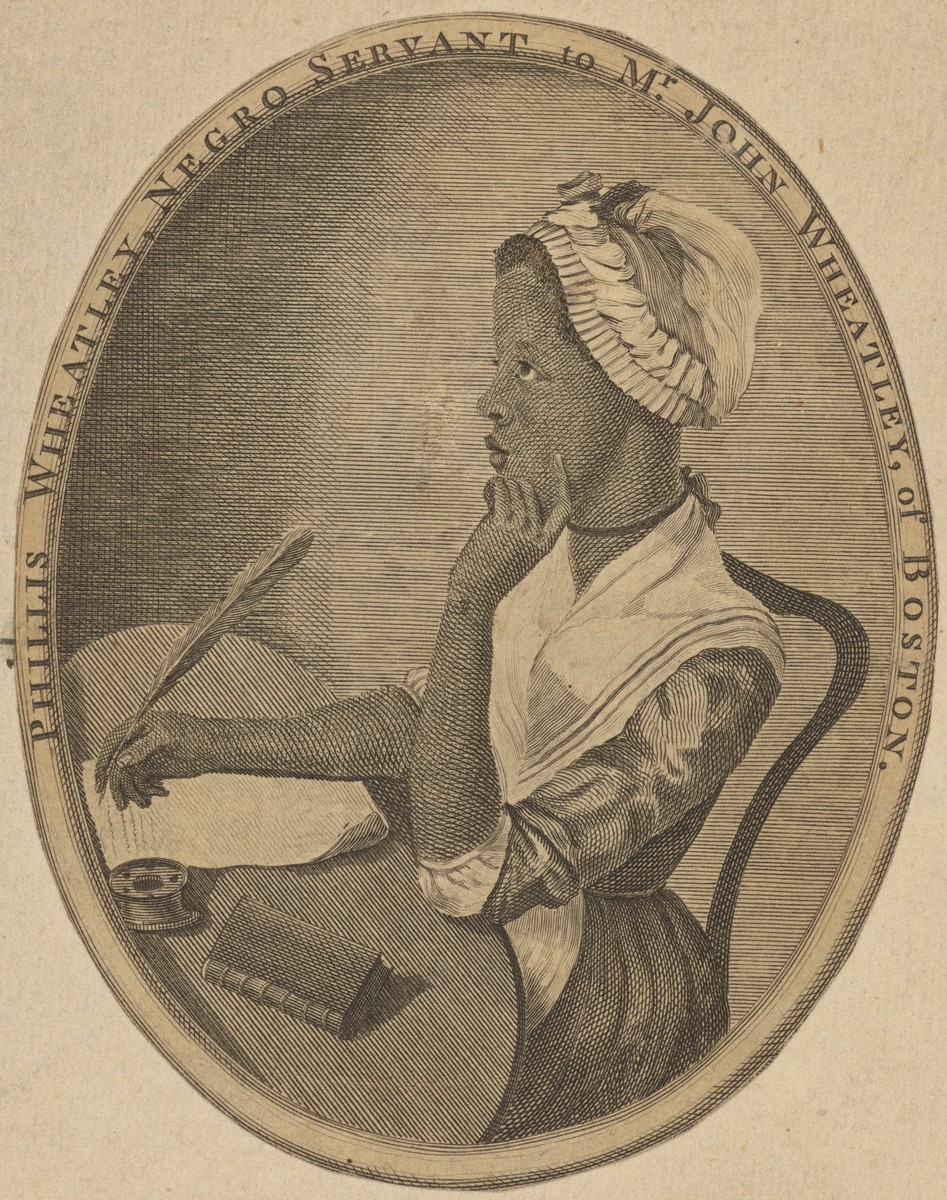
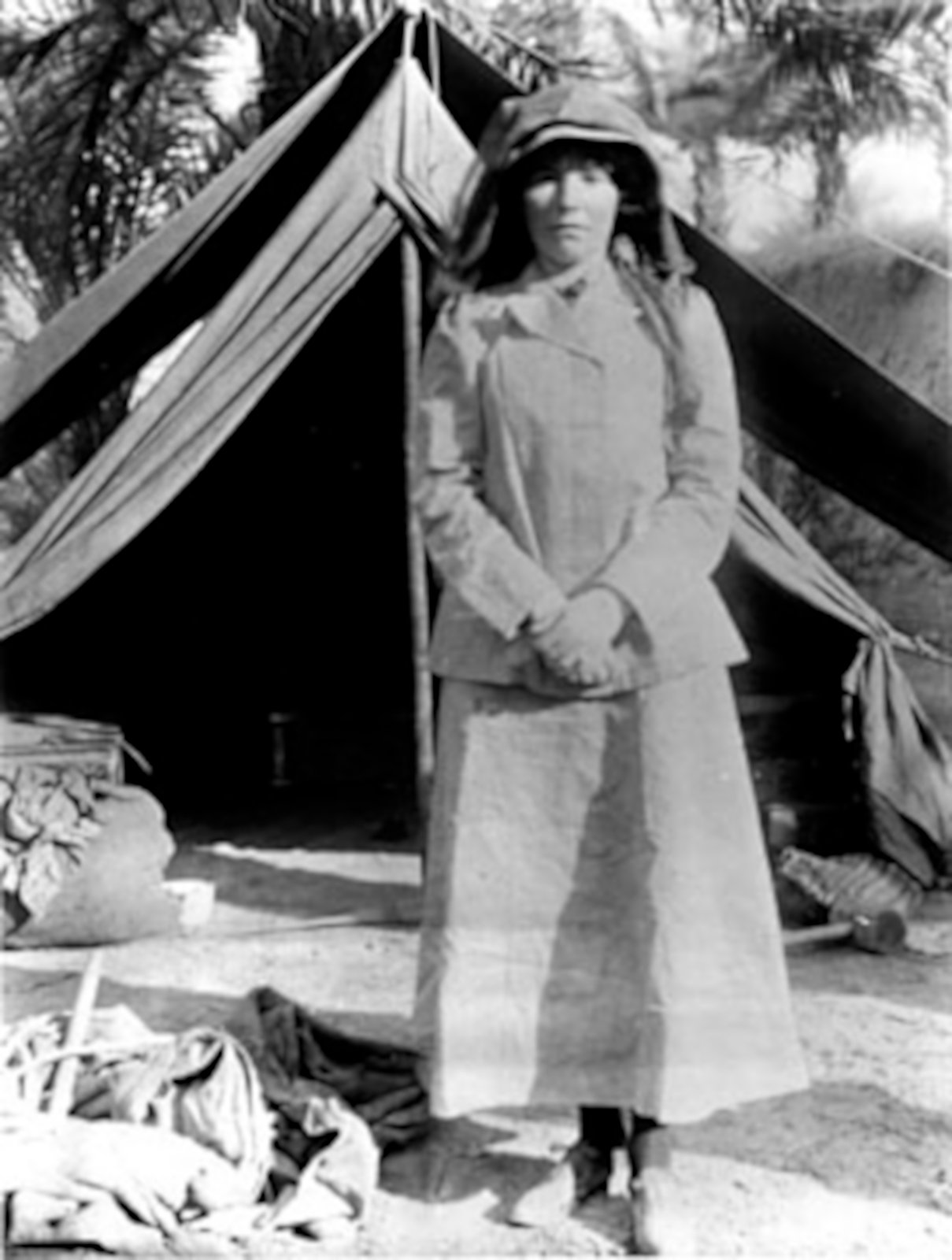
Scipio Moorhead, 1773, The Metropolitan Museum of Art, The Elisha Whittelsey Collection, The Elisha Whittelsey Fund, 1949, Open Access · Engraving 'Phillis Wheatley' by Scipio Moorhead, 1773, the frontispiece portrait of her book, lettered around the oval 'Phillis Wheatley, Negro Servant to Mr. John Wheatley, of Boston'; The Metropolitan Museum of Art, The Elisha Whittelsey Collection, The Elisha Whittelsey Fund, 1949 (accession 49.40.24, object 396463; oval sheet trimmed, 12.7 x 9.8 cm). The museum's image (3027 x 4000) was cropped to the oval print (2960 x 3750) and downscaled to 947 x 1200 with no upscaling. · Public domain: The Metropolitan Museum of Art Open Access (isPublicDomain true; no restriction field); an engraving of 1773
시인 · 근세
필리스 휘틀리
1753–1784
주요 업적 분야
아직 성격 매칭에 포함되지 않았습니다 — 기록된 근거가 성격 모델 전체를 다루기에는 충분하지 않습니다. 이 페이지의 다른 모든 내용은 자유롭게 확인하실 수 있습니다.
핵심 특성
주요 업적
1773년 스무 살 무렵 그녀는 런던에서 시집 『다양한 주제에 관한 종교적·도덕적 시』를 펴냈고, 미국 의회도서관은 이를 아프리카계 미국인이 낸 최초의 시집이라고 부른다.
1770년 복음 전도자 조지 휫필드를 추모한 그녀의 애가는 국제적 관심을 끌었고, 헌팅던 백작 부인의 눈에 띄어 그 후원으로 런던판이 가능해졌다.
그녀의 시집에는 시를 직접 썼다고 보증하는 보스턴 유력 인사 열여덟 명의 서명 증명서가 실렸고, 선집들은 그녀에게 아프리카계 미국 문학의 토대를 놓은 역할이 있다고 평가한다.
삶의 장면들
1773년 시집에 실린 주인의 편지에 따르면 그녀는 도착 후 열여섯 달 만에 영어를 익혔고 호기심이 이끌어 글쓰기를 배웠으며 라틴어도 배우고 싶어 했고, 이후 라틴어를 공부하며 호메로스와 베르길리우스, 오비디우스를 읽었다.
이는 스스로 배우려는 열의와 일치하지만, 가장 강한 표현은 주인이 홍보용으로 쓴 편지에서 나온 것이다. 호기심
1772년 보스턴에서 예약 구독으로 시집을 내려던 계획이 무산되자 그녀의 시는 런던으로 보내졌고 그녀도 1773년 직접 건너갔으며, 1779년에는 두 번째 시집 출간 계획을 광고했다.
이는 좌절 뒤에 새로운 경로로 출간을 이어 가는 모습과 일치하지만, 사료는 그녀의 가족과 후원자들의 역할도 함께 전한다. 선제적 행동력
전환점
1770년 조지 휫필드를 추모한 애가로 그녀는 널리 알려졌고, 휫필드의 후원자였던 헌팅던 백작 부인에게 편지를 보내 이를 알렸으며, 백작 부인은 이후 런던판을 후원했다.
이는 영향력 있는 후원자를 얻은 시와 일치하지만, 그 결과에서 그녀 자신의 설득이 얼마나 작용했는지는 드러나지 않는다. 설득력
비슷한 인물
전체적인 프로필이 이 사람과 닮은 사람들이에요.
출처
- Phillis Wheatley (Q257911), verified live via the Wikidata API (2026-11-06): label 'Phillis Wheatley', description 'first African-American poet (1753-1784)', Korean label 필리스 휘틀리, born 8 May 1753, died 5 December 1784, citizenship United States, occupations include poet. Orientation only; not used as support for any row.
- Massachusetts Historical Society, 'Phillis Wheatley' (African Americans and the End of Slavery in Massachusetts feature page; read in full with its list of poems and letters). CANONICAL SIGNIFICANCE SOURCE: author of the first known book of poetry by a Black woman, published in London in 1773; first poem printed 1767; her 1770 elegy on George Whitefield drew international attention and the interest of the Countess of Huntingdon; the debut volume was first proposed in 1772, failed, and she turned to an English publisher; she went to England in May 1773 and was freed on her return; a proposed second volume never appeared and its manuscript was lost; she married John Peters and died in 1784. Institutional history page.
- Library of Congress, 'Phillis Wheatley: A First for Verse in America' (From the Catbird Seat blog, reprinted from the Library of Congress Magazine, Jan-Feb 2018; read in full). Says the 1773 London volume, published when she was about 20, was a milestone as the first volume of poetry by an African American; describes her education with the Wheatley family, her first poem in 1767, the Countess of Huntingdon's patronage, her return to Boston and the signed testimonial of her authorship, and George Washington's letter thanking her for a poem (not scored). Library institutional text, favourable.
- Academy of American Poets, 'Poems on Various Subjects, Religious and Moral' (book page; read in full). Her studies of Latin and of Homer, Virgil and Ovid and her admiration for Milton and Pope; the 1770 Whitefield elegy; the Countess of Huntingdon publishing the book; the attestation of eighteen prominent Bostonians; her popularity winning her freedom; the volume's style (elegies and heroic couplets); notes that she has been critiqued for not strongly advocating freedom for slaves and defends her against that critique; says an anthology credits her with a founding role in African American literature. Poetry organization page, admiring.
- Tara A. Bynum (University of Iowa), 'Phillis Wheatley Peters, A Chronology' (Society of Early Americanists PDF; read in full). Dated chronology from newspaper and archive evidence: first poem 21 December 1767; the Whitefield elegy of 1770 and her letter to the Countess of Huntingdon about it; the 1772 newspaper proposals for an American edition; the attestation signed 28 October 1772; the manuscripts sent to London on Captain Calef's ship and her own voyage in 1773; John Andrews's February 1773 letter saying she had the attestation drawn up after consulting friends; Obour Tanner helping sell the book in Newport; the 1779 proposal for a second volume; death on 5 December 1784. Scholar's compiled timeline; an independent contemporary voice (Andrews) is reported in it.
- Massachusetts Historical Society podcast 'The Object of History', 'The Letters of Phillis Wheatley' (automated transcript read in full; Peter Drummey and Tara Bynum). Discusses her early education and exposure to Pope and Milton, the failed 1772 subscription effort in Boston ('it's not entirely clear why'), the turn to London and her trip with Nathaniel Wheatley, her freedom after returning, her letters to Obour Tanner (a dozen letters at the Society, six to Tanner), and Bynum's view that she was intentional about getting the book published, 'her own agent-publicist', while also stressing her community; the transcript warns it is automated. Institutional podcast; scholars' interpretation is flagged as such.
- Review of Vincent Carretta, 'Phillis Wheatley: Biography of a Genius in Bondage' (University of Georgia Press, 2011), 'The life of Phillis Wheatley, finally!' on Commonplace (read in full). Reports that the first full-length biography reconstructs her life from tax records, letters, broadsides, newspapers and subscription lists, finds her arrival date (11 July 1761) and baptism date (18 August 1771), and shows her friendship with Obour Tanner and her husband John Peters as a hard-working shopkeeper and laborer; the review is by a literature scholar and relays the biography rather than testing it. The biography itself was not opened.
- Phillis Wheatley, 'Poems on Various Subjects, Religious and Moral' (London: Archibald Bell, 1773; Project Gutenberg text; the preface, John Wheatley's letter and the attestation read, the poems searched only). SELF-REPORT AND PATRON TESTIMONY: her owner's letter says she learned English within sixteen months, that 'her own curiosity led her' to writing, that she wrote to the Rev. Samson Occom in 1765 and that she has 'a great inclination' to learn Latin; the publisher's note says numbers would suspect she was not the author and that he procured an attestation from respected Bostonians. Promotional front matter by her owner and publisher, to be read with that bias.
- World History Encyclopedia, 'Poems of Phillis Wheatley and Jefferson's Criticism' (read in full). COUNTER-VOICE: reports that Thomas Jefferson in Notes on the State of Virginia dismissed the compositions published under her name as below the dignity of criticism and as mimicry, quotes the scholar David Waldstreicher on why she mattered to that argument, and notes echoes of Jefferson's view in later pro-slavery writing. Popular encyclopedia article; used only as the critical-reception voice, not for trait rows.
- The Metropolitan Museum of Art, Open Access record for 'Phillis Wheatley' (object 396463, Scipio Moorhead, engraving, 1773, The Elisha Whittelsey Collection, The Elisha Whittelsey Fund, 1949; read via the Met Open Access API). Portrait source record for the image used.