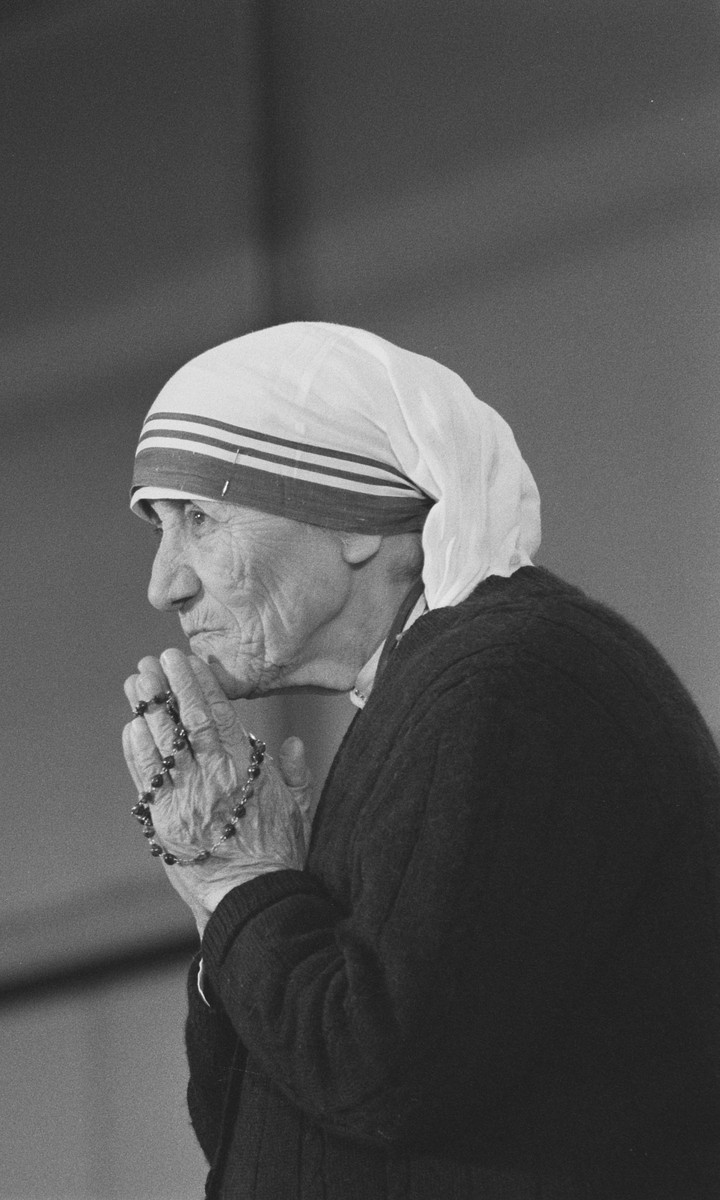

Rob Croes / Anefo, Nationaal Archief, 11 June 1988, CC0 · Black-and-white press photograph of Mother Teresa taken by Rob Croes (Anefo) at a Catholic meeting in Utrecht, the Netherlands, on 11 June 1988 (Nationaal Archief, Fotocollectie Anefo, file number 934-2638, originally photographed with a bishop, Philippe Bar, standing at her left). Cropped from the 3739 x 2481 original to the right-hand part showing only her, then downscaled to 720 x 1200; no upscaling. Rights basis: the Commons record quotes the archive record naming Nationaal Archief as rightsholder and carries the Nationaal Archief template with a CC0 tag, consistent with the archive's open release of the Anefo collection. Caveat: the archive's own page (proxy.handle.net record) is rendered by JavaScript and its licence text could not be read directly here, so the CC0 statement is taken from the Commons transcription of the archive record. · CC0 1.0 (Nationaal Archief, Anefo collection)
종교 지도자 · 20세기
테레사 수녀
1910–1997
주요 업적 분야
아직 성격 매칭에 포함되지 않았습니다 — 기록된 근거가 성격 모델 전체를 다루기에는 충분하지 않습니다. 이 페이지의 다른 모든 내용은 자유롭게 확인하실 수 있습니다.
핵심 특성
주요 업적
1948년 콜카타의 로레토 수녀원 학교를 떠나 가장 가난한 이들 사이에서 일하기 시작했고, 1950년 교황청의 허가를 받아 사랑의 선교회를 세웠다.
그녀의 수도회는 임종자의 집, 고아원, 이동 진료소, 나병 환자 센터를 운영했으며, 바티칸은 1997년까지 123개국에 약 610개의 시설이 있었다고 집계했다.
1979년 노벨 평화상을 받았으나, 크리스토퍼 히친스와 2013년 몬트리올 대학 연구진 등은 일부 시설의 돌봄 수준과 수도회의 재정 운영에 의문을 제기했다.
삶의 장면들
1948년 짧은 의료 과정을 마친 뒤 그녀는 자금 없이 수녀원을 나와 빈민가 아이들을 위한 야외 학교를 시작했고, 곧 예전 제자들이 합류했다.
이는 매우 적은 자원으로 일을 시작하고 다른 이들의 합류에 의지하는 방식과 부합한다. 자원 활용 성향
1952년 그녀는 인도 관리들에게 임종자를 돌볼 장소를 요청해 버려진 사원 건물의 일부를 얻었고 이곳을 '니르말 흐리다이'라 이름 붙였다.
이는 일에 필요한 것을 얻기 위해 먼저 당국에 나서는 주도적 태도와 부합한다. 선제적 행동력
전환점
1948년 약 2년의 기다림 끝에 허가를 받아 로레토의 교사 생활을 접고 콜카타 빈민가에서 일하기 시작했다.
이는 안정된 자리를 내려놓고 불확실한 일을 택하는 태도와 부합한다. 위험 감수
비슷한 인물
전체적인 프로필이 이 사람과 닮은 사람들이에요.


넬슨 만델라

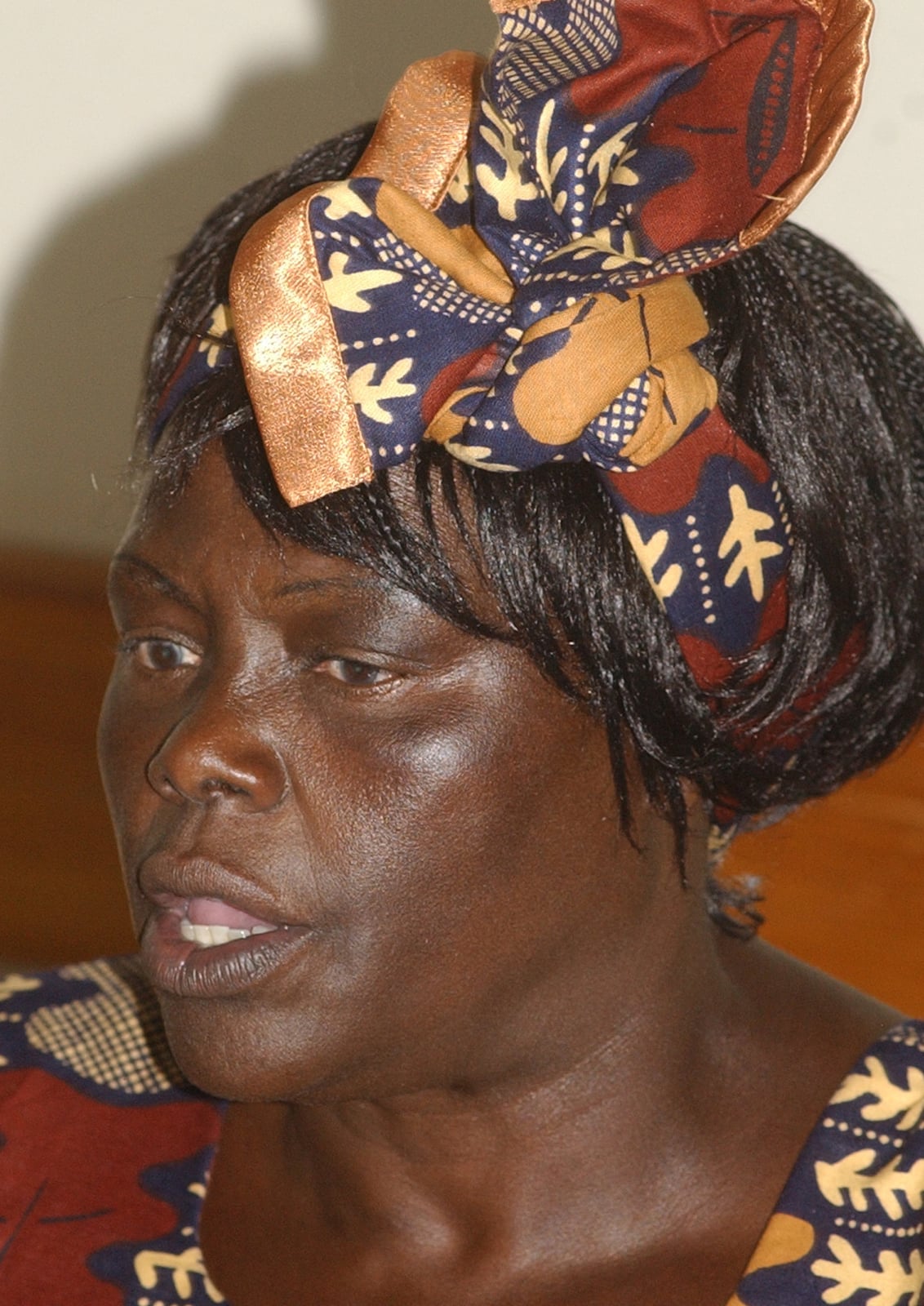
왕가리 마타이

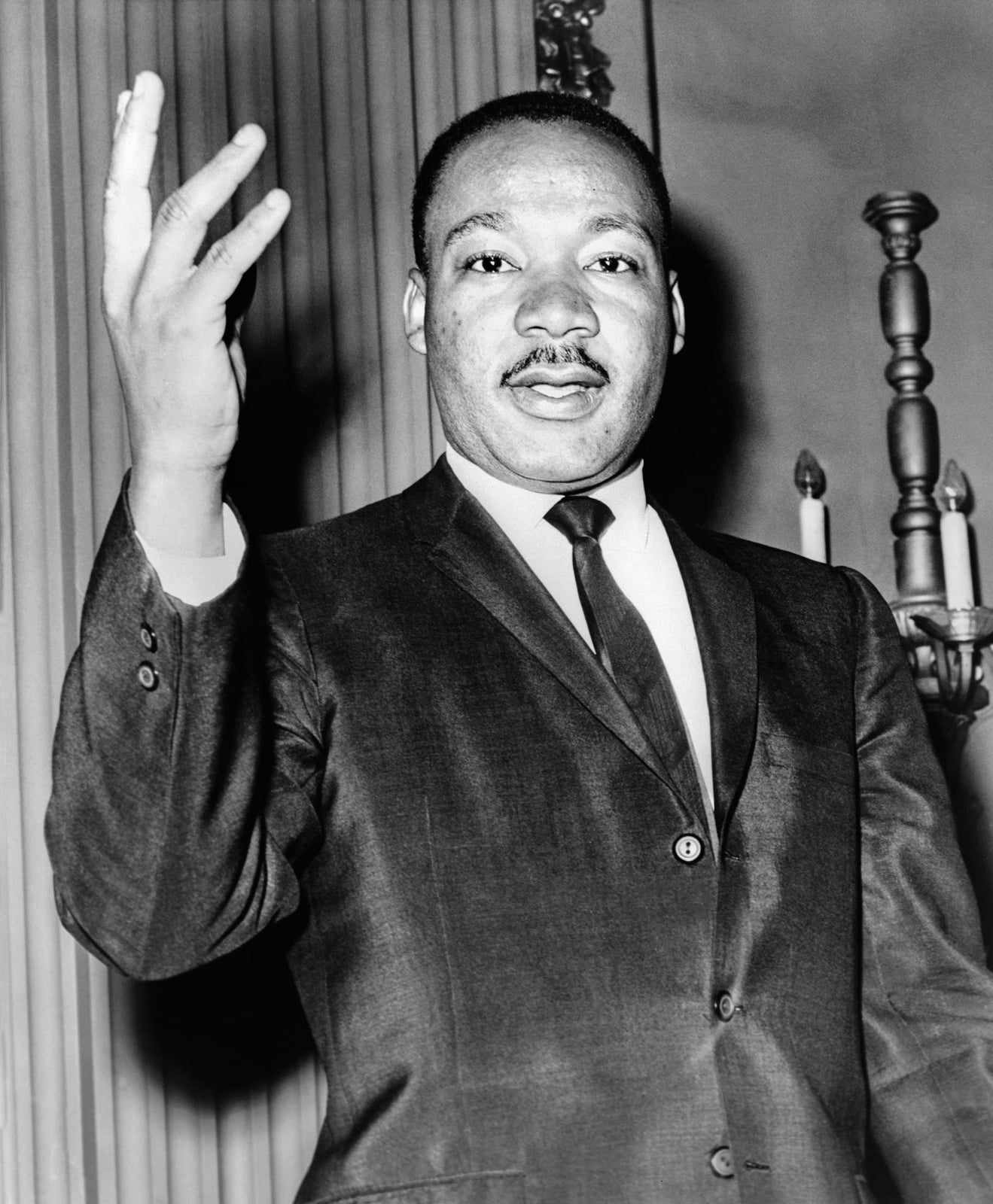
마틴 루터 킹 주니어

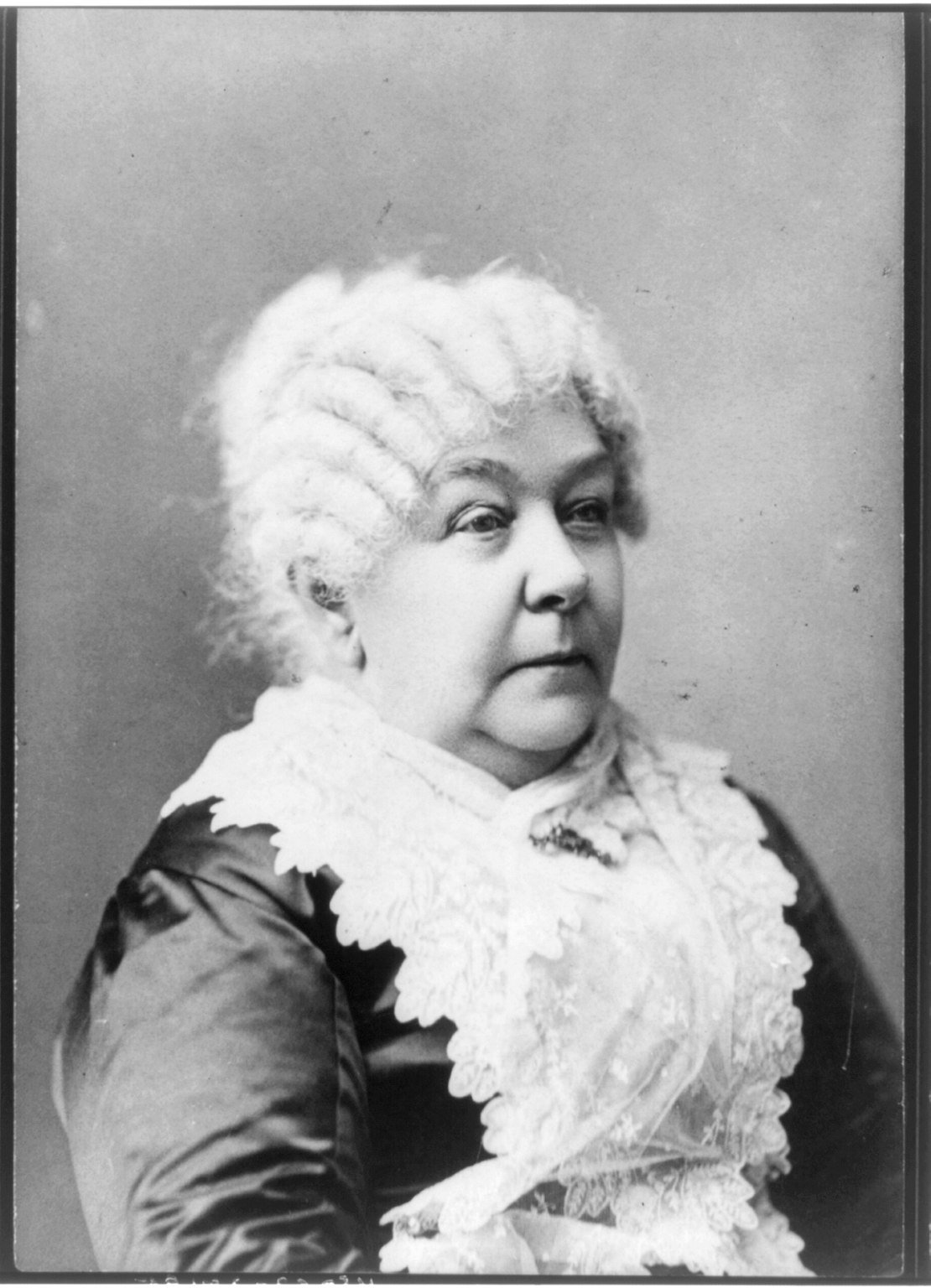
엘리자베스 케이디 스탠턴

수전 B. 앤서니
출처
- Mother Teresa (Q30547), verified live via the Wikidata API (2026-10-24): label 'Mother Teresa', description 'Albanian-Indian Catholic nun and missionary (1910-1997)', born 1910-08-26, died 1997-09-05, Korean label in Hangul. Orientation only; not used as support for any row.
- Nobel Peace Prize 1979, Presentation Speech by Professor John Sanness, Chairman of the Norwegian Nobel Committee (NobelPrize.org), read in full. CANONICAL SIGNIFICANCE SOURCE: summarises her vocation, leaving the Loreto school in 1948 for the slums of Calcutta after a nursing course, the Missionaries of Charity with a fourth vow of wholehearted free service to the poorest, papal-congregation status in 1965, and the order's slum schools, orphanages, mobile clinics, leprosy centres, hostels for the dying and food kitchens. Award-body speech: admiring, and framed around the committee's own peace theme.
- Mother Teresa, Biographical (NobelPrize.org, written at the time of the 1979 award), read in full: teaching at St. Mary's in Calcutta 1931-1948, permission in 1948 to work in the slums, an open-air school for slum children, Holy See permission on 7 October 1950 to found the Missionaries of Charity, the 1965 decree, later branches (1963, 1976, 1979, 1984), Co-Workers, and the awards received. Official biography; factual and admiring.
- Vatican biography 'Mother Teresa of Calcutta (1910-1997)' (vatican.va, published for the 2003 beatification), read in full: the Loreto years and principalship, nearly two years of discernment before permission to leave, the first days in the slums, the founding of the Missionaries of Charity, expansion to 610 foundations in 123 countries by 1997 and houses in communist countries from 1980, and the Co-Workers. A hagiographic institutional source. Its passages on her interior spiritual life and the 'darkness' were read but deliberately excluded from scoring.
- 'Mother Teresa', Prejudice in the Modern World Reference Library (Gale, via Encyclopedia.com), read in full: the Loreto years, the 1946 call, the two-year wait for permission, medical training at Holy Family Hospital, the open-air school, Nirmal Hriday home for the dying (1952), the Mother House (1953), Shishu Bhavan orphanage (1955), Shanti Nagar leprosy colony (1965), the branches she founded, her ability to attract support, awards, and a Controversy section on her opposition to birth control and abortion, her remarks during India's Emergency, financial-management criticism and disputed figures. General reference account that includes criticism.
- Christopher Hitchens, 'Mommie Dearest' (Slate, October 2003, republished 2016), read in full. COUNTER-VOICE: a polemical critical essay arguing that the beatification process was rushed, that the order refused to publish an audit, that she accepted donations from controversial donors, that the Calcutta hospice remained primitive, and that she opposed reform of Catholic doctrine. A strongly adversarial opinion piece: used only as the critical counter-voice and to flag disputed points, not as a source of facts about her inner motives. Its claims about doctrine, politics and the beatification miracle are excluded from scoring.
- ScienceBlog / University of Montreal press release 'Mother Teresa: Far from Saintly' (2013), read in full, summarising Serge Larivee, Genevieve Chenard and Carole Senechal, 'Mother Teresa: Anything but a saint' (Studies in Religion / Sciences religieuses, 2013): a review of 287 published documents; reports visiting doctors' observations of poor hygiene, lack of painkillers and little actual care in some Calcutta homes for the dying, finances kept in undisclosed accounts, and an image built with media help. The article itself was NOT opened (SAGE blocked), so this is a secondhand summary of a critical academic review that relies heavily on Hitchens; no row depends on it alone.
- Nationaal Archief, Fotocollectie Anefo, photograph 'Bijeenkomst Contact Rooms Katholieken in Utrecht; Moeder Teresa en mgr. Bar' by Rob Croes, 11 June 1988, file number 934-2638, and its Wikimedia Commons file page (Nationaal Archief template and CC0 tag), checked for the portrait only.