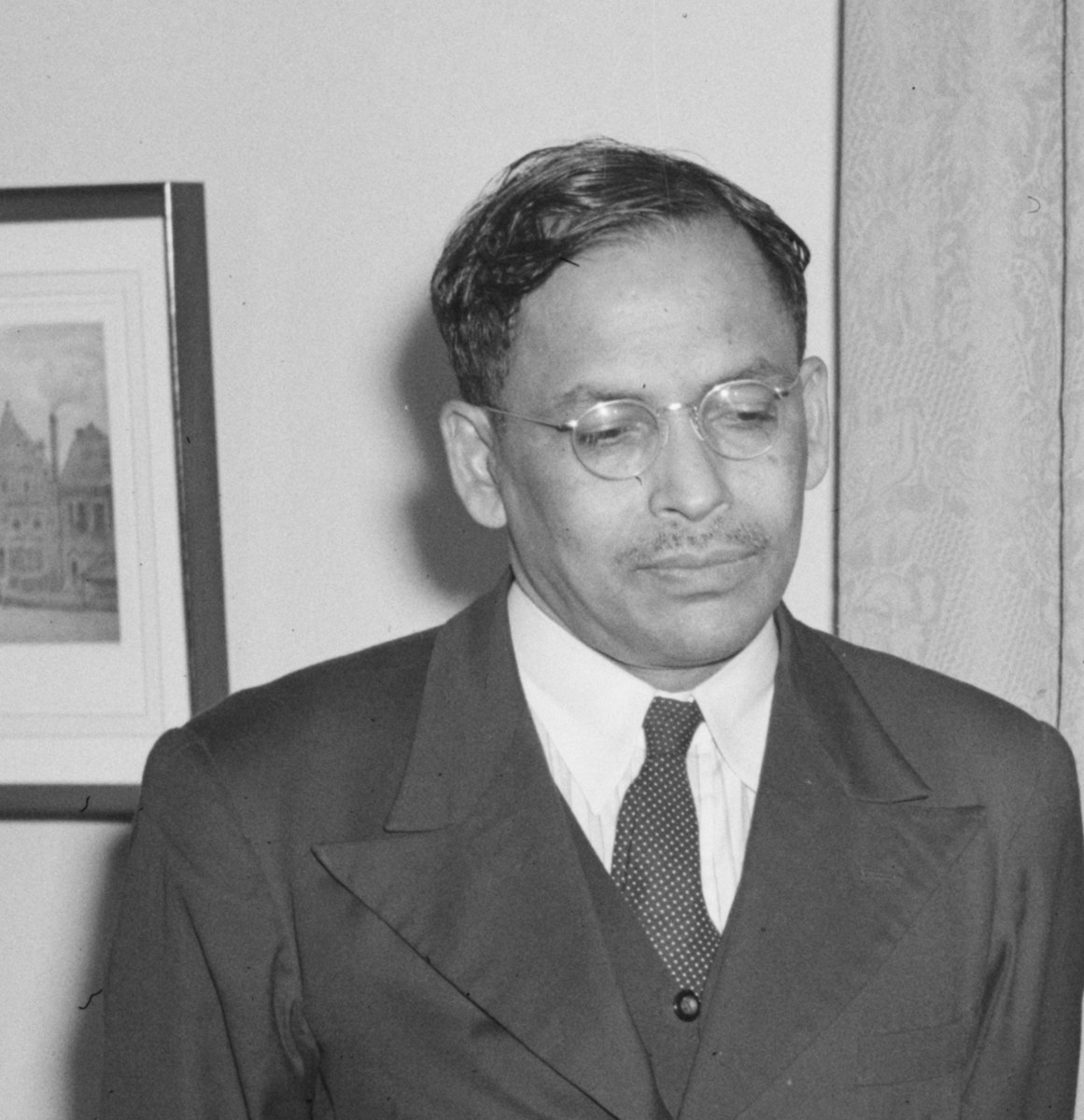

J. Sherrel Lakey, Office of War Information photographer, December 1944; Library of Congress · Library of Congress, Farm Security Administration - Office of War Information Photograph Collection (item LC-DIG-fsa-8d37165), via Wikimedia Commons; cropped from a group photograph of visiting Indian scientists · Public domain (work of a United States federal government photographer)
천체물리학자 · 20세기
메그나드 사하
1893–1956
주요 업적 분야
아직 성격 매칭에 포함되지 않았습니다 — 기록된 근거가 성격 모델 전체를 다루기에는 충분하지 않습니다. 이 페이지의 다른 모든 내용은 자유롭게 확인하실 수 있습니다.
핵심 특성
주요 업적
1920년 열이온화 방정식을 도출했다. 브리태니커는 이 방정식이 항성 대기 연구 전반의 기본이 되었다고 평하며, 별의 스펙트럼을 온도와 원소 함량에 연결해 준다.
이 이론으로 태양 스펙트럼에 루비듐과 세슘 선이 없는 이유를 설명하고 더 차가운 흑점에서 나타날 것이라 예측했으며, 이후 H. N. 러셀이 루비듐 선을 찾아냈다.
인도 과학 제도를 세우는 데 기여했다. 알라하바드 과학원의 초대 회장이었고 콜카타 핵물리학연구소 설립을 이끌었으며(훗날 그의 이름이 붙음), 학술지 『과학과 문화』를 창간했다.
삶의 장면들
항성 스펙트럼의 하버드 분류에 관한 논문을 런던에서 철회하고, A. 파울러의 비판을 받으며 약 넉 달간 다시 써서 1921년 '항성 스펙트럼의 물리 이론'으로 발표했다.
이는 자신의 이론을 다듬을 때 전문가의 비판을 받아들이는 태도와 일치한다. 분석적 엄밀성
독립 후 그는 산업 기반과 훈련된 인력이 부족하다며 당시 원자력위원회 설립에 반대했고, 이 점에서 바바와 네루와 의견이 갈렸다.
이는 더 영향력 있는 인물들에 맞서 공개적으로 입장을 지키려는 태도와 일치한다. 갈등 감내
전환점
1919년 프렘찬드 로이찬드 장학금을 받아 약 2년간 런던과 베를린에서 파울러와 네른스트의 연구실에서 일하며 1921년 항성 스펙트럼 이론을 발표했다.
이는 콜카타의 고립된 연구에서 국제적 연구 네트워크로 옮겨 간 변화와 일치한다. 분야 횡단성
비슷한 인물
전체적인 프로필이 이 사람과 닮은 사람들이에요.


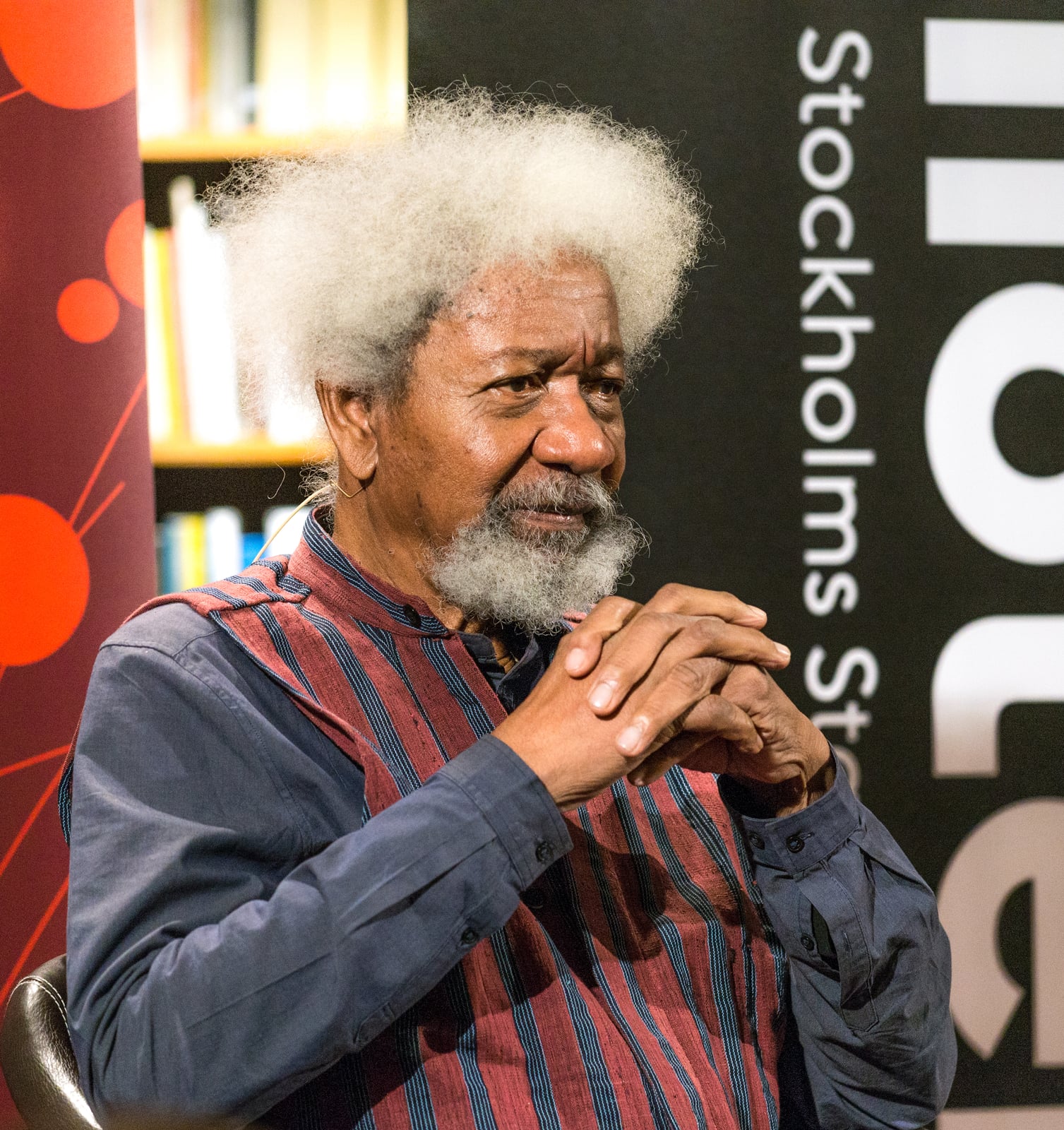
월레 소잉카

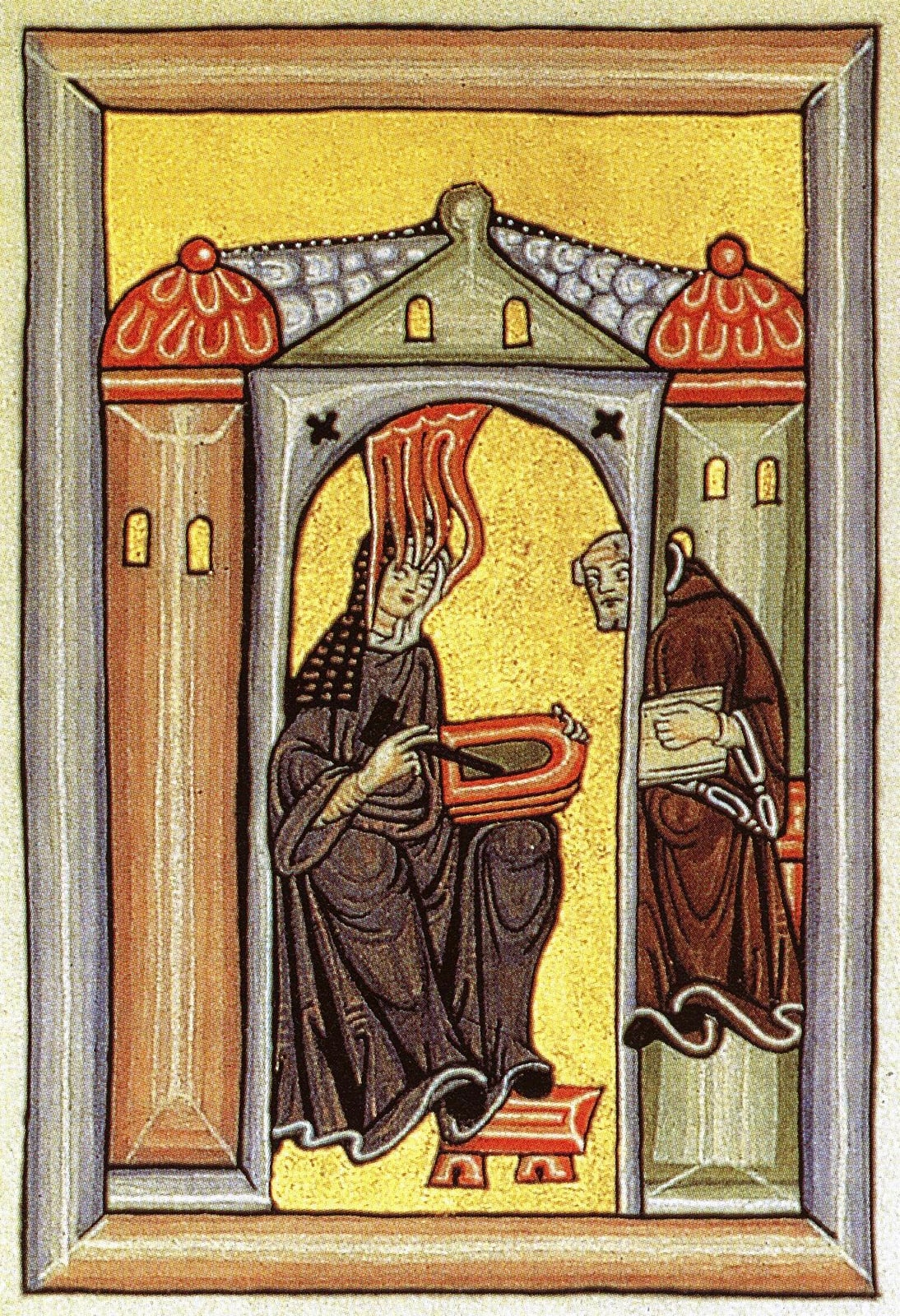
힐데가르트 폰 빙엔

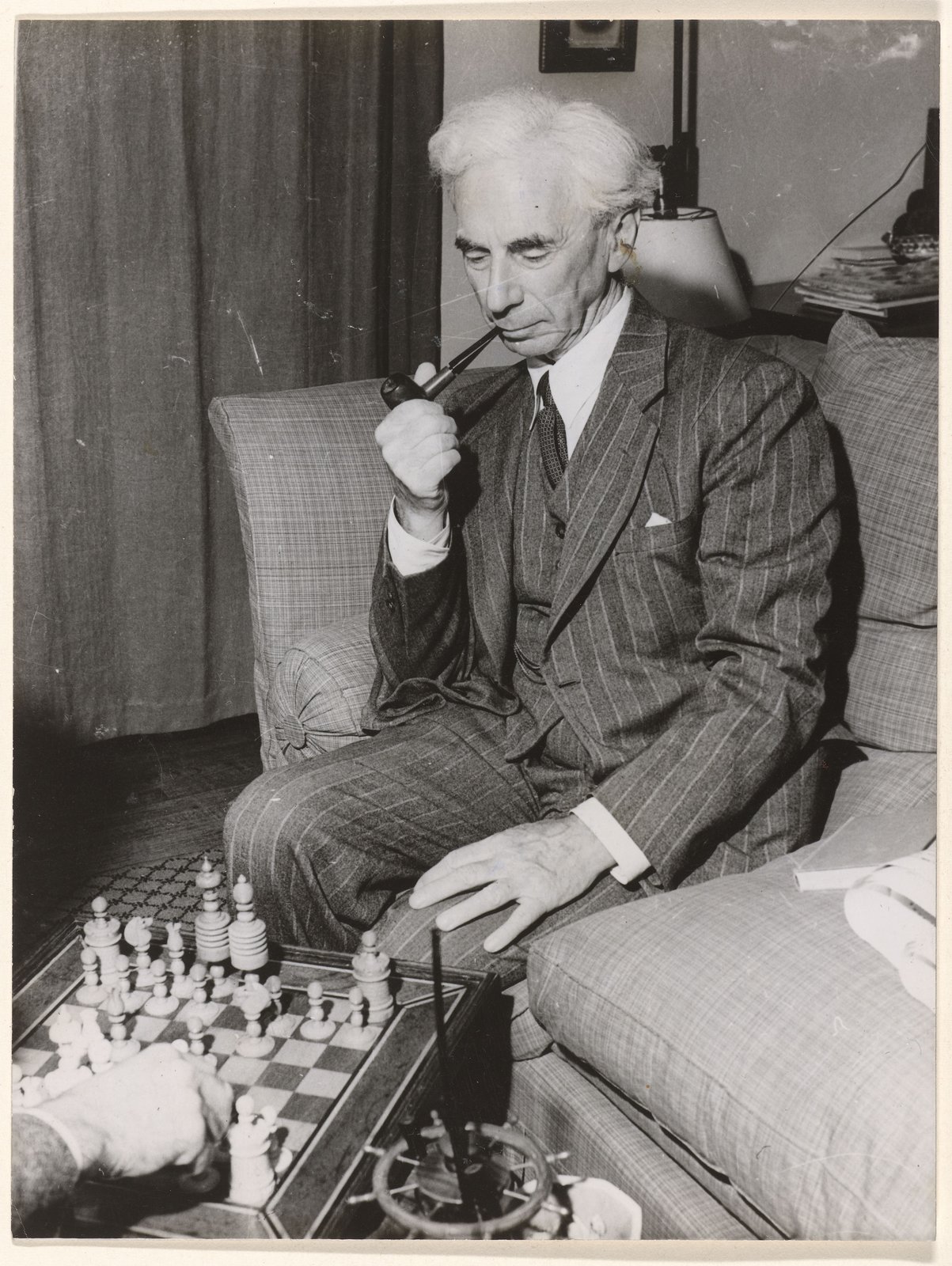
버트런드 러셀

마야 안젤루

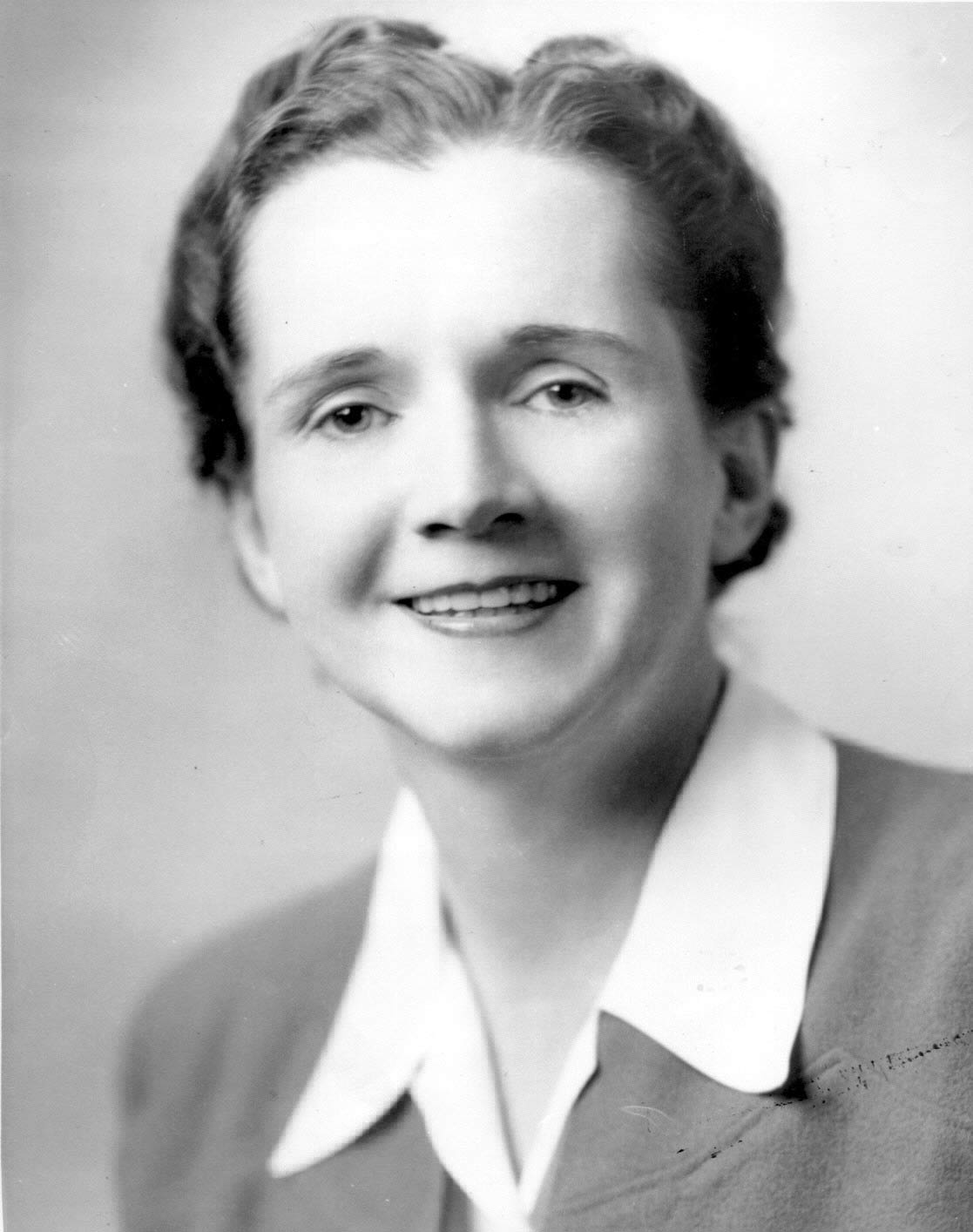
레이첼 카슨
출처
- Meghnad Saha (Q377898) -- verified live via the Wikidata API (2026-10-26): English label 'Meghnad Saha', description 'Bengali astrophysicist (1893-1956)', born 6 October 1893, died 16 February 1956. Orientation only; not used as support for any row.
- Encyclopaedia Britannica, 'Meghnad N. Saha' -- reference biography: Indian astrophysicist noted for the 1920 thermal ionization equation, in the form perfected by Edward A. Milne fundamental to work on stellar atmospheres; professor at Allahabad in 1923, Fellow of the Royal Society in 1927, Calcutta from 1938 where he was instrumental in creating the Institute of Nuclear Physics; founded the journal Science and Culture in 1935; elected to Parliament as an independent in 1951 (politics not scored). CANONICAL SIGNIFICANCE SOURCE. Read in full.
- D. S. Kothari, 'Meghnad Saha' (Biographical Memoirs of Fellows of the Royal Society, vol. 5, February 1960; reprinted by the Indian National Science Academy) -- detailed memoir by one of his former students: the 1920 thermal ionization paper, the Milne and Fowler refinements and criticism of his method, his Allahabad and Calcutta years, the Institute of Nuclear Physics (founded 1948, opened 1950), the Indian Association for the Cultivation of Science, the academies and Science and Culture, flood control, and also his limits (little aptitude for practical work, a 'quaint' solar-corona hypothesis, not recognising the 21-cm hydrogen line). Colleague and admiring, but specific and with dated detail. Read in full except the bibliography.
- V. V. Raman, 'Saha, Meghnad', Complete Dictionary of Scientific Biography (reprinted on Encyclopedia.com) -- independent scholarly reference entry: his application of thermodynamics and quantum theory to stellar matter, the dispute over where the 1920 paper was written, the note that early enthusiasts applied the equation 'rather rashly' with significant errors, his institutional work and his avoidance of party politics. Read in full.
- Amitabha Bhattacharya, 'What India owes to Meghnad Saha', The Statesman, 1 March 2019 -- retrospective opinion by a retired civil servant, drawing on Robert Anderson's and G. Venkataraman's studies: his teaching and institution-building, his disagreement with Homi Bhabha and Nehru over setting up the Atomic Energy Commission, his difficulties with bureaucrats, the 'sometimes acrimonious' disagreements between Raman and Saha with personal ego and rivalry, and the point that his 1920 paper was published in a local journal. Admiring overall but with the critical points above. Read in full.