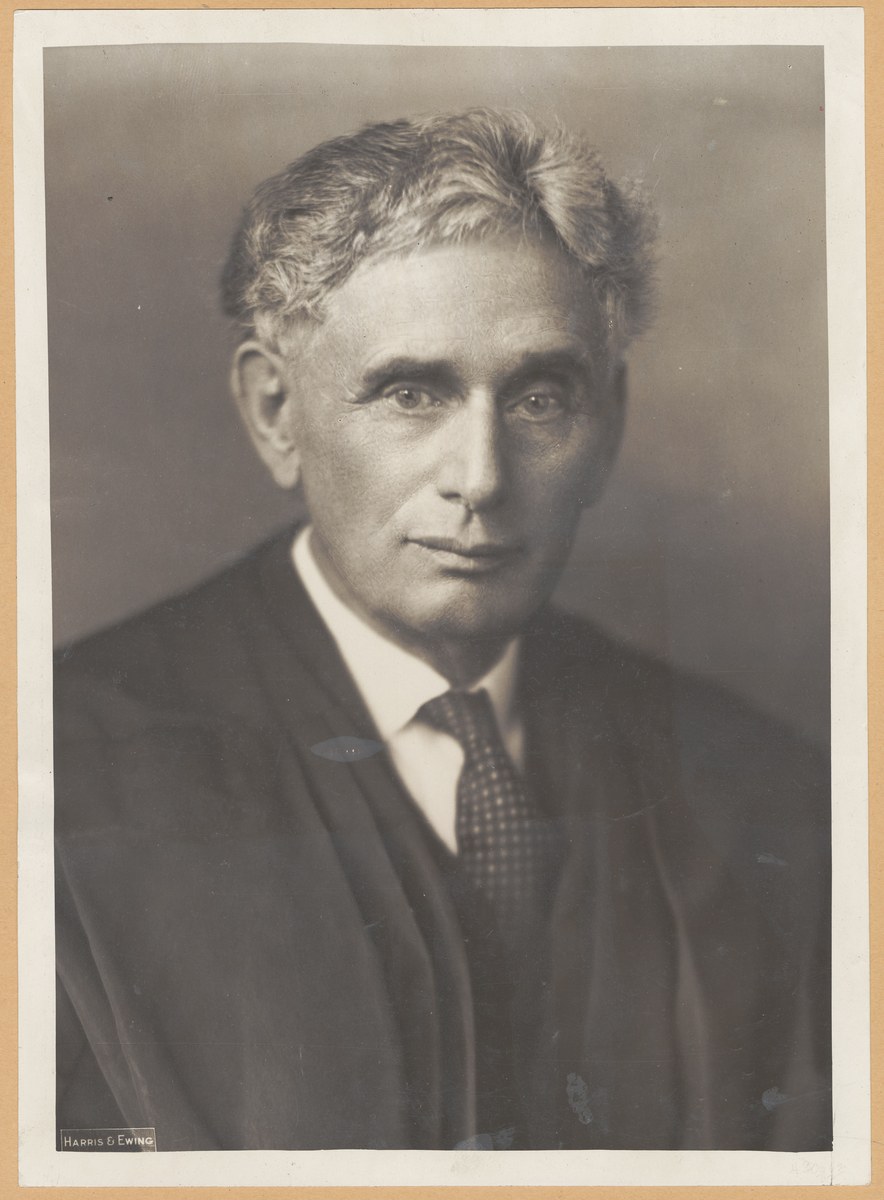

Harris & Ewing, c. 1916, Library of Congress Prints & Photographs Division, LC-DIG-ppmsca-06024 · Library of Congress Prints and Photographs Division, Harris & Ewing, '[Louis Brandeis, head-and-shoulders studio portrait, facing front]', dated [1916?], reproduction number LC-DIG-ppmsca-06024, via Wikimedia Commons file 'Louis Brandeis, head-and-shoulders studio portrait, facing front LCCN2004673443.jpg' (original digital file 4498 x 6103). Downscaled only (never upscaled) to 884 x 1200. The Library's Harris & Ewing rights page states there are no known restrictions, that the firm's gift restrictions have expired and that copyrights on acquired prints have expired. · Public domain (Library of Congress: no known restrictions; Harris & Ewing)
변호사 · 20세기
루이스 브랜다이스
1856–1941
주요 업적 분야
아직 성격 매칭에 포함되지 않았습니다 — 기록된 근거가 성격 모델 전체를 다루기에는 충분하지 않습니다. 이 페이지의 다른 모든 내용은 자유롭게 확인하실 수 있습니다.
핵심 특성
주요 업적
1908년 뮬러 대 오리건 사건에서 선례에는 두 쪽, 여성 노동 환경에 대한 증거에는 백 쪽 이상을 할애한 변론서를 제출했고, 대법원은 만장일치로 해당 법을 합헌으로 인정했다. 이 '브랜다이스 변론서'는 사실에 기반한 법적 논증의 모범이 되었다.
1916년부터 1939년까지 연방대법원 대법관으로 일했다. 올름스테드 대 미국 사건(1928)의 반대의견에서 정부 도청이 '혼자 있을 권리'를 보호하는 수정헌법 제4조를 침해한다고 주장했고, 휘트니 대 캘리포니아 사건의 보충의견은 표현의 자유 법리의 이정표가 되었다.
새뮤얼 워런과 함께 1890년 하버드 로 리뷰에 '프라이버시의 권리'를 발표했고, 1914년 『타인의 돈과 은행가들의 사용법』을 출간했다. 이 책이 제안한 은행 개혁은 1930년대 은행 파산 이후에야 대체로 채택되었다.
삶의 장면들
1906년 브랜다이스는 유나이티드 슈 제조회사가 업계 독점을 시도하자 이사직을 사임했고, 이후 공청회에서 이 회사에 불리하게 증언했다.
이는 고객 관계의 손실을 감수하고 원칙에 따라 행동하는 태도와 일치한다. 갈등 감내
올름스테드 대 미국 사건(1928)에서 브랜다이스는 도청을 허용한 다수의견에 반대하며, 헌법 제정자들이 정부에 대해 '혼자 있을 권리'를 부여했다고 주장했다.
이는 다수의견과 별개로 사고하며 오래된 원칙을 새로운 기술에 확장하는 태도와 일치한다. 독립적 사고
전환점
철도·제조업 의뢰인으로 시작한 브랜다이스는 1892년경부터 무료 또는 소액 수임료의 공익 사건을 점점 더 많이 맡았고, 나중에는 동업자들이 손해 보지 않도록 자신이 사무소에 돈을 내기도 했다.
이는 민간 의뢰 중심에서 공익 활동 중심으로 동기가 옮겨 간 흐름과 일치한다. 영향 창출 동기
비슷한 인물
전체적인 프로필이 이 사람과 닮은 사람들이에요.


B. R. 암베드카르

마하트마 간디

치누아 아체베

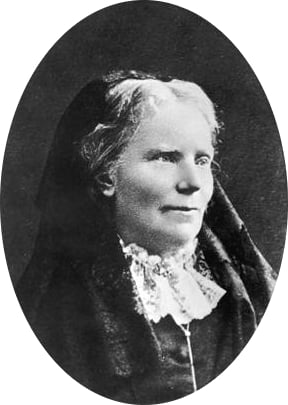
엘리자베스 블랙웰

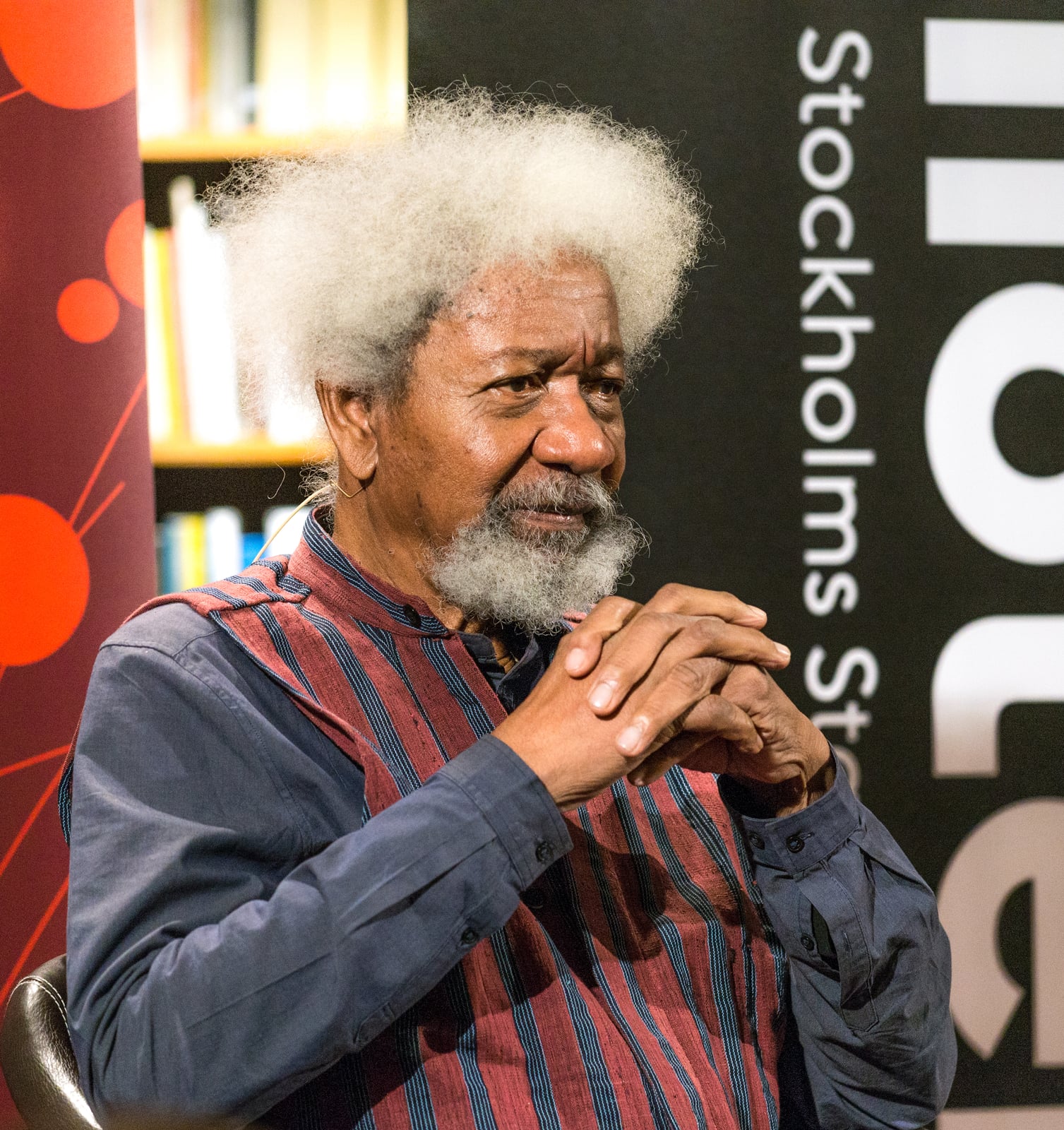
월레 소잉카
출처
- Louis Brandeis (Q520840) -- verified live via the Wikidata API (2026-10-24): English label 'Louis Brandeis', description 'American Supreme Court Justice (1856-1941)', born 1856-11-13, died 1941-10-05, citizenship United States, Korean label '루이스 브랜다이스'. Orientation only; not used as support for any row.
- Brandeis University, 'Louis Brandeis' biographical page (brandeis.edu), read in full: describes him as a legal and judicial figure instrumental in shaping modern American jurisprudence; the 'people's attorney' known for pro bono public-interest work and support for workers' rights; his 1916 appointment by Woodrow Wilson 'in a bitterly contested process' tinged with anti-Semitism, as the first Jew on the Court; per biographer Philippa Strum, the 'Brandeis Brief' using fact-based evidence as a staple of American constitutional law; the 1890 Harvard Law Review article on privacy and the 'right to be let alone' phrase repeated in his 1928 dissent; and his 1927 free-speech opinion. CANONICAL SIGNIFICANCE SOURCE. University named for him, admiring; relays Strum (whose book itself was NOT opened).
- EBSCO Research Starters (Salem Press), 'Louis D. Brandeis', read in full: Harvard Law School 1875-77 with the highest grades in the school's history; early corporate clients, then from the 1890s public-interest work, working without fee and paying his firm so partners would not suffer; 1904 Boston gas sliding-scale plan; 1906 resignation from the United Shoe board over monopoly methods; savings-bank life insurance; the New Haven Railroad fight (1905-1914) with personal and anti-Semitic attacks; 'Other People's Money' (1914), whose recommendations were largely ignored until the bank failures of the 1930s; the Muller v. Oregon brief; the 1916 confirmation fight with opposition from Taft, the Boston establishment and the ABA; Zionism and political advising (noted only as context and not scored). Reference-work biography, generally admiring.
- EBSCO Research Starters, 'Muller v. Oregon impact', read in full: Brandeis was hired by Florence Kelley and Josephine Goldmark of the National Consumers League to defend Oregon's ten-hour law for women; his brief gave two pages to legal precedent and over one hundred to evidence on health and welfare, research done in large part by Kelley and Goldmark; the Court upheld the law; the approach, called sociological jurisprudence, was cited as a model in later cases such as Brown v. Board of Education, and critics of judicial activism see it as a usurpation of legislative power; the brief's argument rested on claimed physiological differences between men and women. Reference-work account that records both praise and the critics' view.
- Cornell Legal Information Institute, Olmstead v. United States, 277 U.S. 438 (1928), including Brandeis's dissent (law.cornell.edu), the dissent text read: argues that the makers of the Constitution 'conferred, as against the government, the right to be let alone' and that every unjustifiable government intrusion on privacy, whatever the means, violates the Fourth Amendment. Primary court text hosted by a university law library; used for what he argued, not for how it was received.
- Middle Tennessee State University, First Amendment Encyclopedia, 'Whitney v. California' (firstamendment.mtsu.edu), read in full: the Court upheld the conviction of Charlotte Anita Whitney under California's criminal syndicalism law while Brandeis, concurring in an opinion originally written as a dissent in a companion case, gave a forceful defence of free speech that became a milestone of First Amendment jurisprudence; the majority had relied on the 'bad tendency' approach. University reference entry, independent of Brandeis's admirers.
- Jewish Review of Books, 'Old Isaiah' (review of Jeffrey Rosen's 'Louis D. Brandeis: American Prophet', c. 2016), read in full: the four-month 1916 Senate confirmation fight, with Wickersham, Lowell's 55-signature petition, Fitzgerald and Taft (who called him a muckraker and socialist) opposed, partly with anti-Semitism and partly not; Brandeis's role in Olmstead; the reviewer's criticism that Brandeis acted with 'questionable judicial propriety' by secretly using Felix Frankfurter to publicise his views and by sending a back-channel warning to Roosevelt's circle after the 1935 decisions. The political and Zionist passages were not scored. Reviewer's perspective on a favourable biography; Rosen's book itself NOT opened.
- New England Historical Society, 'Brahmin Anti-Semites Fight the Brandeis Nomination to the Supreme Court', read in full: the 1916 nomination fight, in which Brahmin financiers, the Wall Street Journal, seven past ABA presidents and Harvard president Lowell opposed him, charges of unethical conduct as counsel to the Interstate Commerce Commission were made and answered by defenders, and Brandeis did not personally defend himself, in line with custom. Popular history of the opposition; used for the conflict episode only.
- Center for the Study of Federalism, 'Brandeis, Louis D.' encyclopedia entry (federalism.org), read in full: birth in Louisville, Harvard Law and the Warren partnership, pro bono work, the Brandeis brief in Muller v. Oregon, his help formulating Wilson's antitrust programme, the 1916 confirmation, his dissenting position with Holmes against the majority on speech cases, and the Olmstead dissent on surveillance and the Fourth Amendment keeping pace with technology. Short reference entry.
- Library of Congress, Prints and Photographs Division: catalog record 2004673443 '[Louis Brandeis, head-and-shoulders studio portrait, facing front]' by Harris & Ewing, dated '[1916?]' (read through an Internet Archive copy, since loc.gov blocked direct access), and the Library's 'Harris & Ewing Photographs: Rights and Restrictions' page (Internet Archive copy), and the Wikimedia Commons file page for the digital file (original 4498 x 6103): the Library states there are no known restrictions on Harris & Ewing photographs, that the firm gave its negatives to the Library in 1955 under gift restrictions that have now expired, and that copyrights placed on prints acquired from other sources have expired; publication permitted, credit line requested. Not used for scoring.