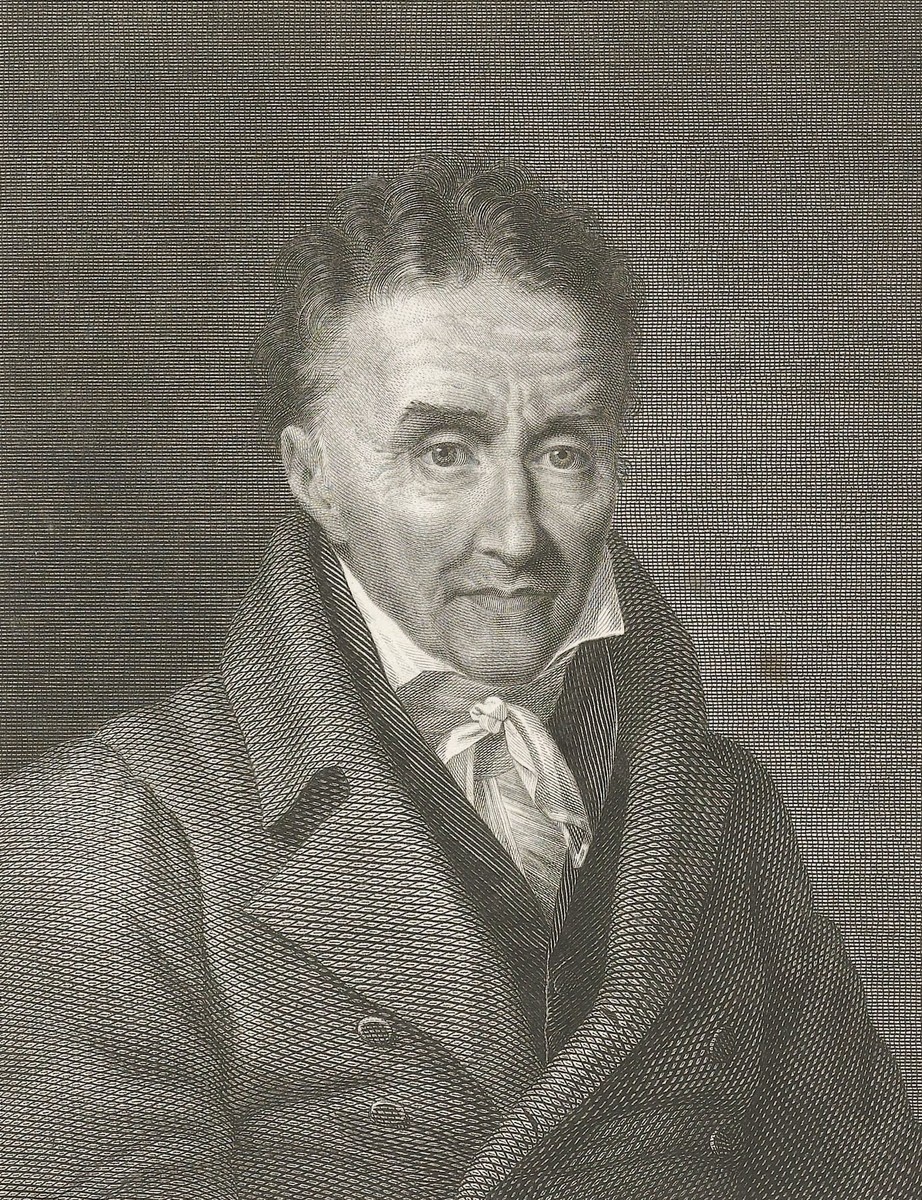

Christian Forssell, after Jean Henriette Rath, 1814. Rijksmuseum, Amsterdam (RP-P-1908-2712), https://www.rijksmuseum.nl/nl/collectie/object/RP-P-1908-2712--7d3e023b63434c743da1fded7e7b22d6 · Engraved portrait of Johann Heinrich Pestalozzi by Christian Forssell, dated 1814, after a painting by Jean Henriette Rath (print lettered 'Rath pinx.', 'Forssell sculp. 1814' and 'Pestalozzi, born 12 January 1746'), Rijksmuseum, Amsterdam, object RP-P-1908-2712. The file is the engraved image cropped from the museum's 4242 x 5602 pixel scan (1548 x 2015) and downscaled to 922 x 1200, with no upscaling and no retouching. · Public domain (Rijksmuseum Public Domain Mark on the image, CC0 on the record; an engraving of 1814)
교사 · 근세
페스탈로치
1746–1827
주요 업적 분야
아직 성격 매칭에 포함되지 않았습니다 — 기록된 근거가 성격 모델 전체를 다루기에는 충분하지 않습니다. 이 페이지의 다른 모든 내용은 자유롭게 확인하실 수 있습니다.
핵심 특성
주요 업적
가난한 이들도 교육받아야 한다고 주장하고, 관찰과 사물 교수를 바탕으로 익숙한 것에서 새로운 것으로 아이의 발달을 따라 가르치는 방법을 만든 스위스의 교육 개혁가이다. 체벌과 암기 위주 교육을 거부했으며, 브리태니커는 그의 원칙 대부분이 오늘날 초등교육에 흡수되었다고 설명한다.
1774년부터 노이호프, 1799년 슈탄스에서 가난하고 고아가 된 아이들을 위한 학교를 운영했고, 부르크도르프에서 교사 양성 학교를, 1804년부터 1825년까지는 유럽 곳곳의 방문객을 끌어들인 이베르동 학원을 운영했다. 프로이센은 교사를 보내 그에게 배우게 했고, 프리드리히 프뢰벨과 조지프 니프도 그가 가르친 사람들이다.
소설 『린하르트와 게르트루트』(1781~87)와 『게르트루트는 어떻게 자녀를 가르치는가』(1801)로 그의 사상이 해외에 알려졌지만, 그의 학교는 취약했다. 노이호프는 빚으로 문을 닫았고, 이베르동은 교사들 사이의 오랜 다툼과 허술한 장부 관리 끝에 1825년 문을 닫았다.
삶의 장면들
슈탄스 고아원은 1799년 1월 14일 문을 열었고 6주 만에 80명이 넘는 아이들이 페스탈로치와 하녀 한 사람의 돌봄을 받았으며, 그는 슈탄스에 관한 편지에서 아침부터 저녁까지 아이들과 단둘이 지냈고 아이들 틈에서 잤다고 썼다.
이는 가난한 아이들에 대한 강한 헌신과 일치하지만, 아이들 틈에서 잤다는 세부 내용은 그 자신의 진술이다. 영향 창출 동기
이베르동 학원은 학비를 매우 낮게 받았고 학생의 약 3분의 1은 한 푼도 내지 않았으며 교사들은 숙식만 받았는데, 예산 부족과 허술한 장부 관리로 큰 손실이 났다. 1815년 돌아온 요제프 슈미트는 엄격한 장부 관리를 도입하고 인쇄소를 닫았으며 교사 절반을 해고했다.
이는 너그러움과 이상이 재정 계획과 운영 통제를 앞질렀음을 보여주는 모습과 일치한다. 계획 지향
전환점
슈탄스에서의 몇 달 뒤 그는 교사가 되기로 결심했고 곧 부르크도르프에서 기회를 얻어 교사 연수 기관을 갖춘 학교를 세웠으며, 1801년 『게르트루트는 어떻게 자녀를 가르치는가』가 그를 유럽 전역에 알렸다.
이는 교육에 대해 글을 쓰던 데서 실제 학교에서 자신의 방법을 시험하고 다듬는 쪽으로 옮겨간 전환과 일치한다. 실험 성향
비슷한 인물
전체적인 프로필이 이 사람과 닮은 사람들이에요.


제인 구달

엘리자베스 블랙웰

말랄라 유사프자이

에이브러햄 링컨

B. R. 암베드카르
출처
- Johann Heinrich Pestalozzi (Q105428), verified live via the Wikidata API (2026-11-05): English label 'Johann Heinrich Pestalozzi', description 'Swiss pedagogue and educational reformer (1746-1827)', Korean label 요한 하인리히 페스탈로치, born 12 January 1746, died 17 February 1827, citizenship Switzerland. Orientation only; not used as support for any row.
- Encyclopaedia Britannica, 'Johann Heinrich Pestalozzi' (article by Kate Silber, author of 'Pestalozzi: The Man and His Work'), read in full. CANONICAL SIGNIFICANCE SOURCE: Swiss educational reformer who advocated the education of the poor and teaching methods designed to strengthen the student's own abilities; his method became widely accepted and most of his principles have been absorbed into modern elementary education; his doctrine moved from the familiar to the new through concrete activity and followed the child's development; he considered moral education pre-eminent, and his last book culminates in the maxim 'Life itself educates'; the article also records the failed Neuhof enterprise and orphan project, his years of writing in isolation, the Stans orphanage, the Burgdorf and Yverdon institutes, and that the Yverdon family spirit was shattered by a severe dispute among teachers and the institute lost its fame and pupils.
- 'Pestalozzi, Johann (1746-1827)', Encyclopedia of Education (Gale), as reproduced by Encyclopedia.com, read in full: an education-history entry on his methods (object lessons, the Anschauung principle, simultaneous group instruction, rejection of corporal punishment and rote memorisation, field trips), his institutions (Neuhof 1774 closed in debt in 1779, Stans 1799, the Burgdorf teacher-training school 1800-1804, Yverdon 1804-1825) and the spread of his ideas through trained teachers such as Joseph Neef and Friedrich Froebel and through Prussian reform.
- 'Johann Heinrich Pestalozzi', Encyclopedia of World Biography (Gale), as reproduced by Encyclopedia.com, read in full: a short biographical entry that stresses his sense of justice and the poor, his failure at Neuhof, the success of Leonard and Gertrude, the showplace at Yverdon, and a candid ending in which his fame brought out some of his more disagreeable characteristics, the school closed amid disputes and lawsuits, and he died embittered.
- Heinrich Pestalozzi website of the critical-edition scholars Arthur Bruhlmeier and Gerhard Kuhlemann, English pages 'Short Biography', 'Stans' (1798-1799) and 'Yverdon' (1804-1825), read in full: a scholarly account with long quotations from his letter on Stans, the 1799 opening with more than 80 children after six weeks, and the Yverdon institute's low fees, one third of pupils not paying, unpaid teachers, lack of budgeting and improper bookkeeping, the colleague Karl Justus Blochmann's critical description of him, and the years of quarrels between Joseph Schmid and Johannes Niederer that ruined the institute. Scholars who edit his works, so careful but not neutral about him.
- Roger de Guimps, 'Pestalozzi: His Life and Work' (English translation, New York, 1890; the biography by a former pupil of the Yverdon institute), read in selected chapters (Stans, the Yverdon dispute and the 1818-1820s statements) from the full text on the Internet Archive: includes his letter on Stans, his own statements that he lacked the strength and capacity to manage a numerous staff, the account of the dissensions at Yverdon, the visit of the geographer Ritter, and a refutation of a priest's later accusations about Stans. Written by a pupil and admirer, so admiring in tone and used with the scholars' account as a check.
- Rijksmuseum, Amsterdam, print RP-P-1908-2712 'Portret van Johann Heinrich Pestalozzi' (engraving, 1814, by Christian Forssell after a painting by Jean Henriette Rath), item record read through the museum's linked-art data: public domain mark on the image and CC0 on the record. Opened for the portrait only.