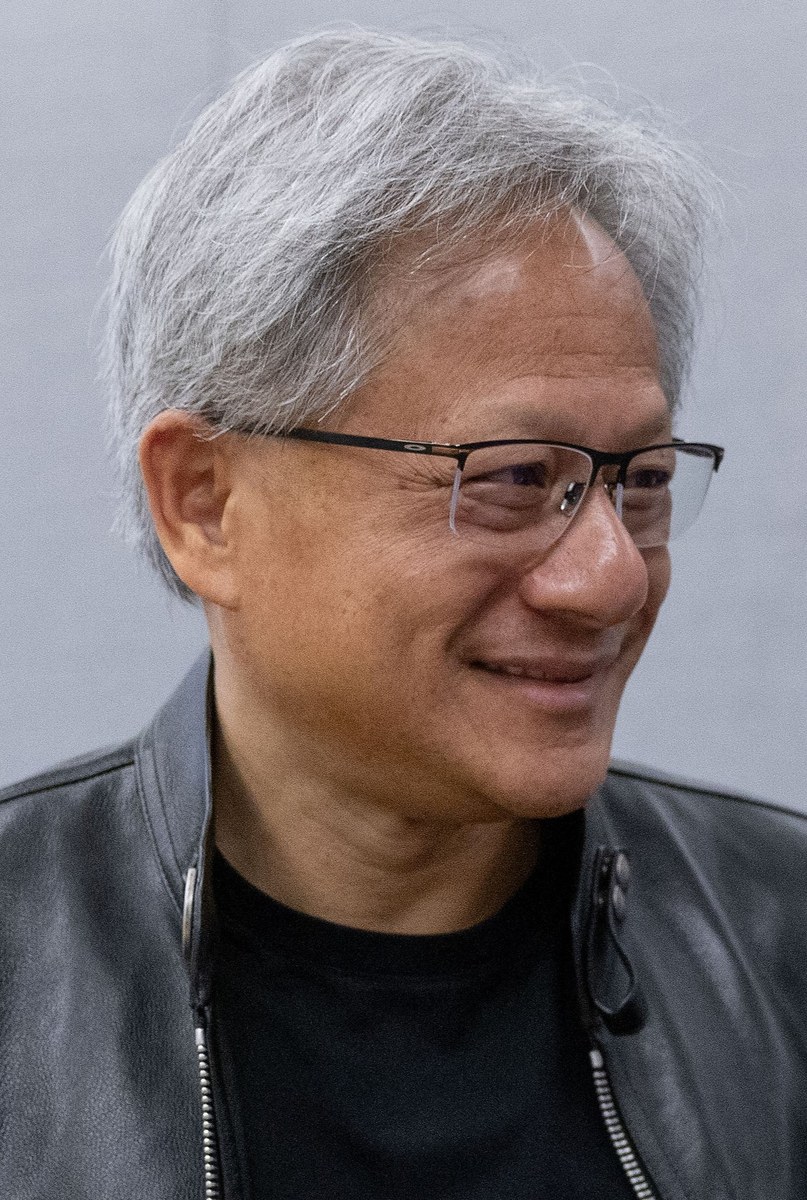

Photo: Peter Dasilva, © European Union, 2024, licensed under CC BY 4.0; cropped and downscaled from the original · Wikimedia Commons, 'Jensen Huang (cropped) (2024).jpg' -- photograph by Peter Dasilva for the European Commission Audiovisual Service, 13 May 2024 (meeting with Josep Borrell Fontelles; EC photo P-063789/00-17), cropped on Commons from 'Josep Borrell with NVIDIA CEO and founder Jensen Huang (2024).jpg'; Commons file 1129 x 1678 pixels, downscaled once to 807 x 1200 (never upscaled). · CC BY 4.0
사업가 · 현대
젠슨 황
b. 1963
주요 업적 분야
아직 성격 매칭에 포함되지 않았습니다 — 기록된 근거가 성격 모델 전체를 다루기에는 충분하지 않습니다. 이 페이지의 다른 모든 내용은 자유롭게 확인하실 수 있습니다.
핵심 특성
주요 업적
1993년 크리스 말라초프스키, 커티스 프리엠과 함께 엔비디아를 공동 창업했으며, 1999년의 지포스 256은 컴퓨터역사박물관이 최초의 그래픽처리장치(GPU)로 소개한다.
엔비디아는 2006년 개발자가 GPU를 범용 연산에 쓸 수 있게 하는 CUDA를 내놓았고, 2012년 알렉스넷에 엔비디아 GPU가 쓰인 뒤 AI를 위한 가속 컴퓨팅에 집중했다.
2024년 컴퓨터역사박물관은 컴퓨터 그래픽 기기와 시스템 발전에 대한 선구적 리더십을 이유로 그를 펠로로 선정했고, 가속 컴퓨팅과 인공지능 분야의 공로도 함께 인정했다.
삶의 장면들
스티븐 위트의 평전에 대한 다우존스 서평은 게임용 칩 기술을 과학자용으로 돌린 2006년 제품을 실패작이라 묘사하지만, 컴퓨터역사박물관은 그해의 CUDA 플랫폼이 이후 AI의 핵심이 되었다고 소개한다.
성과가 몇 년 뒤에야 나타날 플랫폼에 먼저 투자하는 태도와 일치한다. 위험 감수
60분(60 Minutes) 인터뷰에서 직원들이 자신을 요구가 많은 완벽주의자로 묘사한다는 말에, 그는 그 표현이 딱 맞으며 대단한 일은 쉬워서는 안 된다고 답했다.
높은 기준을 자신이 일하는 방식의 의도된 일부로 받아들이는 리더와 일치한다. 완벽주의
전환점
다우존스의 위트 평전 서평에 따르면, 그는 2013년 신경망을 연구하는 엔지니어를 만난 뒤 엔비디아의 방향을 비디오게임용 그래픽에서 AI 연산용 칩으로 갑작스럽게 돌렸다.
새로운 기회를 일찍 포착해 회사의 방향을 빠르게 돌리는 태도와 일치한다. 기회 감지
비슷한 인물
전체적인 프로필이 이 사람과 닮은 사람들이에요.


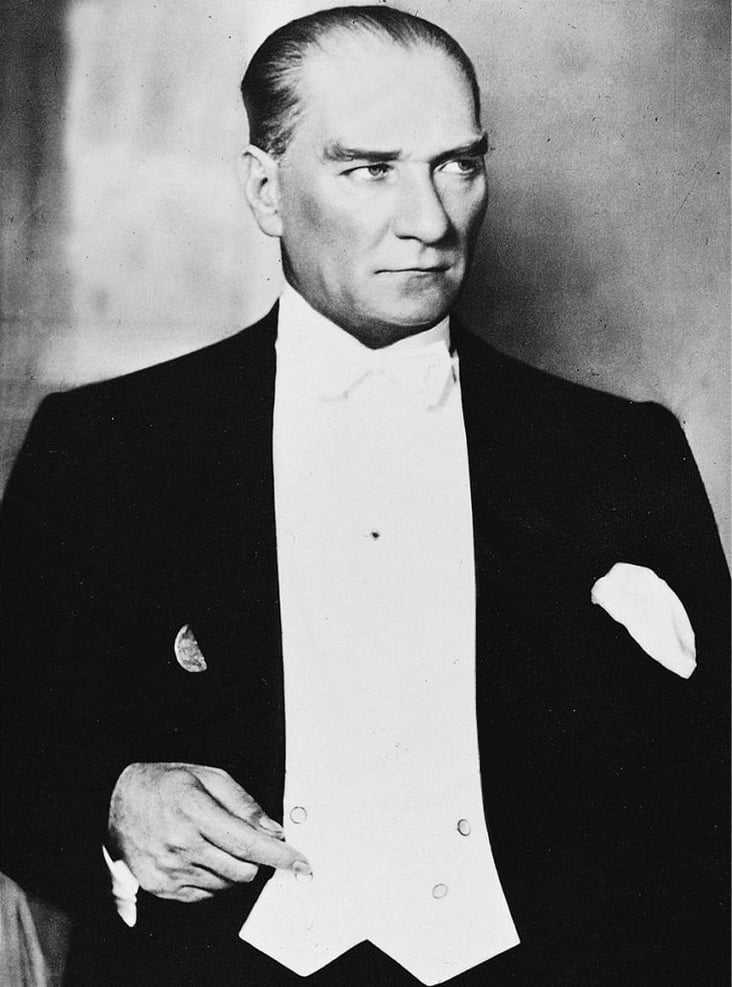
무스타파 케말 아타튀르크

측천무후

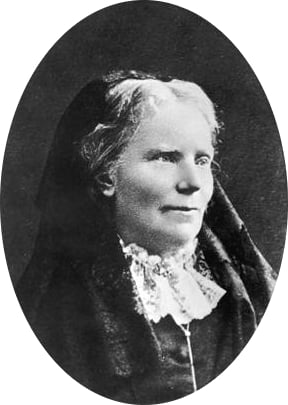
엘리자베스 블랙웰

수전 B. 앤서니

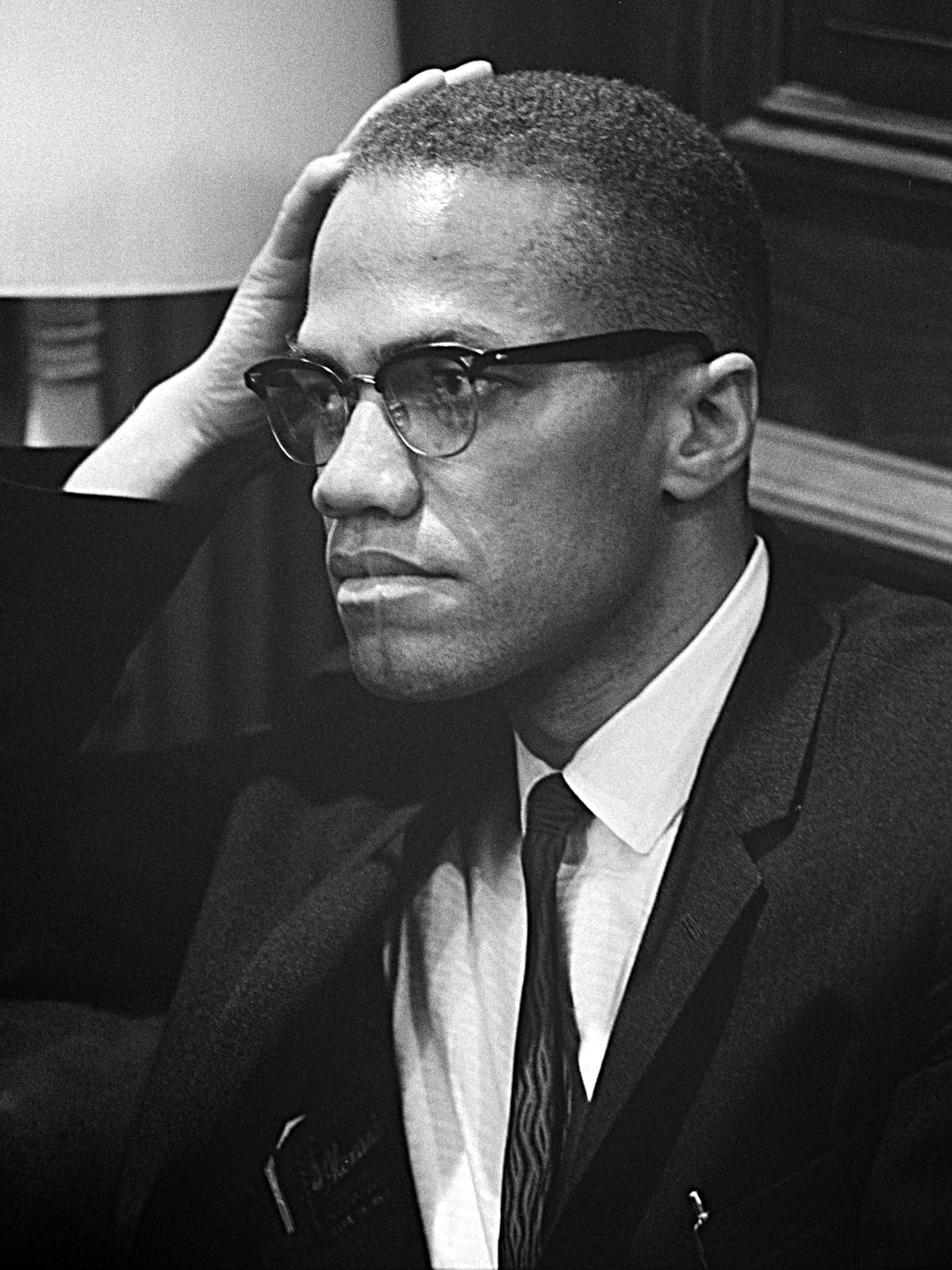
말콤 엑스
출처
- Jensen Huang (Q305177) -- verified live via the Wikidata API (2026-10-11): English label 'Jensen Huang', description 'American entrepreneur and businessman; co-founder and CEO of Nvidia', born 17 February 1963, no date of death, citizenship Taiwan and United States, Korean label present. Orientation only; not used as support for any row.
- Computer History Museum, 'Jensen Huang' 2024 Fellow profile -- museum profile of the Nvidia founder covering the 1993 founding with Chris Malachowsky and Curtis Priem, the 1999 GeForce 256 which the museum calls the first GPU, CUDA in 2006, the use of Nvidia GPUs for AlexNet in 2012, and the Fellow citation 'for visionary leadership in the advancement of devices and systems for computer graphics' with accelerated computing and artificial intelligence. CANONICAL SIGNIFICANCE SOURCE (orientation to his historical contribution, institutional and honouring in tone); used for the achievement cards and the CUDA/AlexNet dates, never as the sole support for a behavioural row. Read in full.
- Fortune, 8 June 2024, article on Huang's management and Nvidia's fast product cadence -- relays former Nvidia employee Rene Haas (later Arm CEO, via the Financial Times) saying Huang organised the company around projects rather than hierarchy so he could reach any layer and get direct answers ('transparency and speed', 'they move very, very fast'), reports Huang's June 2024 announcement of yearly AI accelerator upgrades (Blackwell Ultra for 2025, Rubin for 2026), and notes he is one of 22 CEOs who founded their Fortune 500 company. Non-self business press with one former-employee voice; thin on detail beyond those points. Read in full.
- Eleanor Pringle, 'Nvidia CEO Jensen Huang: demanding perfectionist, say staff', Fortune, 30 April 2024 -- reports from a 60 Minutes interview that staff describe him as demanding, a perfectionist and not easy to work for, that Huang says those labels fit him 'perfectly' and that 'if you want to do extraordinary things, it shouldn't be easy'. Staff descriptions are unnamed and general, and the substance is Huang's own acceptance of them, so used only for the perfectionism row with a mixture of other and self voice. Read in full.
- Marc Levinson, review of Stephen Witt's 'The Thinking Machine', Dow Jones Newswires, republished 8 April 2025 -- critical-to-mixed book review: credits Huang with an abrupt 2013 decision to move Nvidia from videogame graphics towards AI computation after meeting engineer Bryan Catanzaro, recounts the failed first chip (1995), the successful GeForce (1999), a failed 2003 revision and a 2006 product repurposing gaming technology for scientists described as a fiasco, and portrays Huang as a relentless worker and harsh critic who berates staff in public and lost his temper often as CEO, so that he 'may not be a good model' for aspiring CEOs. Independent, partly adversarial reviewer summarising a biography; the review itself does not mention CUDA. Read in full.
- Book review of Stephen Witt's 'The Thinking Machine', Unite.AI -- largely admiring review describing Nvidia's choice of parallel processing for real-time graphics, Huang treating the GPU as the base of a wider computing platform, software treated as strategically as silicon, tools and developer support funded well before demand, CUDA making GPUs usable for general computing and Nvidia facing near-failure more than once but surviving on a long-held conviction about accelerated computing. Independent but admiring and short on dates, so used with moderate confidence. Read in full.
- Amanda Liang, DIGITIMES, 16 December 2024, article drawn from Tae Kim's book 'The Nvidia Way' -- reports Huang's use of whiteboards rather than slides, his preference for big-picture estimates over false precision, his very wide span of direct reports and direct communication with most staff, an unnamed former executive's anecdote about the oversized whiteboard and his own admission that office politics was a problem in Nvidia's early days. Promotional in tone, two voices anonymous and largely Huang's own account via the book, so not used as sole support for any row; partly paywalled. Read in full as available.
- The Next Platform, 28 October 2015, 'Inside the Programming Evolution of GPU Computing' -- interview with Nvidia's Ian Buck on how his Stanford Brook project became CUDA after Nvidia hired him in 2004 (extensions to C, C++ and Fortran so a threaded programmer could use a GPU, a library team built in parallel, GPUs in the Titan supercomputer). Colleague first-hand account of the technology; it does not mention Huang, so used only as background for the CUDA design and as a check on CHM's dates, not for any Huang trait row. Read in full.
- European Commission Audiovisual Service photo page P-063789/00-17 and its conditions-of-use page -- checked for the portrait: photo dated 13 May 2024 captioned as Jensen Huang, Founder and CEO of NVIDIA; EU-owned audiovisual content is licensed CC BY 4.0 unless a file says otherwise. Not used for any scoring.