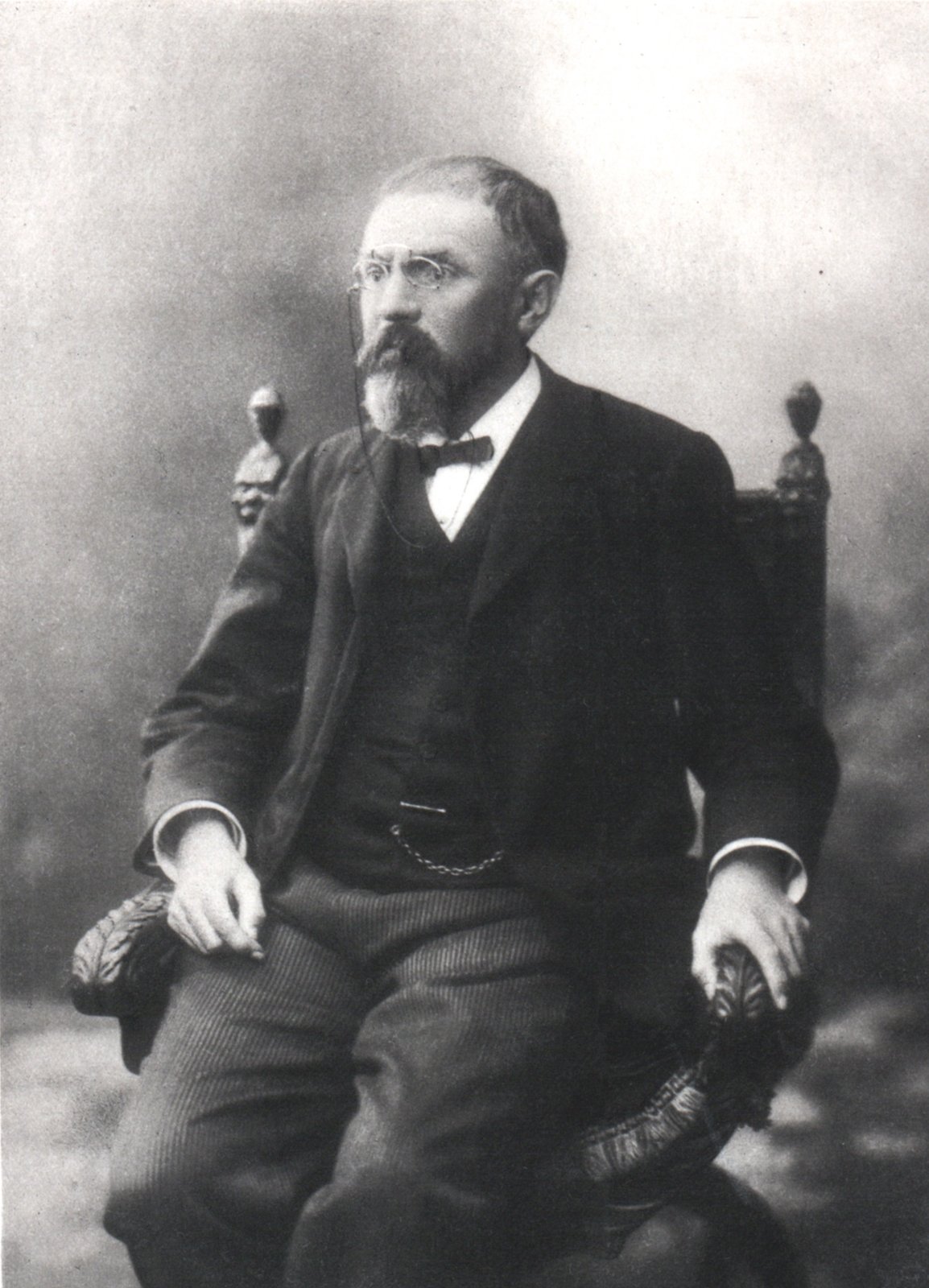
Photograph credited 'Cliche Henri Manuel' on the print (Smithsonian catalogue lists the photographer as unidentified); Smithsonian Institution Libraries, Dibner Library, SIL14-P005-03; no known copyright restrictions (Flickr Commons). · Smithsonian Institution Libraries, Dibner Library of the History of Science and Technology, 'Scientific Identity: Portraits' collection, accession SIL14-P005-03 ('Portrait of Henri Poincare (1854-1912), Mathematician'), printed photograph 14.8 x 10.6 cm; credit line 'Cliche Henri Manuel' printed on the print; via Wikimedia Commons file 'Henri Poincare sitting.jpg' (2.0 MP original, cropped to the photograph and downsized) · Public domain (photograph dated before 1912; Smithsonian Libraries: no known copyright restrictions; photographer Henri Manuel d. 1947, so French term life+70 has expired)
수학자 · 19세기
앙리 푸앵카레
1854–1912
주요 업적 분야
아직 성격 매칭에 포함되지 않았습니다 — 기록된 근거가 성격 모델 전체를 다루기에는 충분하지 않습니다. 이 페이지의 다른 모든 내용은 자유롭게 확인하실 수 있습니다.
핵심 특성
주요 업적
1888년 푸앵카레는 미타그레플레르가 펴낸 학술지 『악타 마테마티카』를 통해 열린 스웨덴·노르웨이 왕 오스카 2세 상금 공모전에 삼체 문제와 동역학 방정식에 관한 논문을 제출했다. 에르미트, 미타그레플레르, 바이어슈트라스로 구성된 심사위원회는 1889년 1월 그에게 상을 수여했고, 이후 분량이 훨씬 늘어난 수정본이 1890년에 발표되었다. 이 논문은 궤도를 기하학적으로 연구하며 횡단 호모클리닉 교차를 기술했는데, 그 복잡한 기하는 훗날 카오스 동역학과 연결되었다. 요코즈는 그를 동역학계 이론의 창시자라 부른다. 푸앵카레는 이 착상을 『천체역학의 새로운 방법』(1892~1899) 세 권으로 발전시켰다.
푸앵카레는 1880년대 초에 자기형 함수를 도입하고 푸크스 함수라 이름 붙였으며, 이를 비유클리드 기하학과 연결하고 대수 계수를 가진 선형 미분방정식을 푸는 데 활용했다. 『위상해석(Analysis situs)』(1895)과 1894년부터 발표한 논문들에서는 대수적 위상수학의 기초를 놓고 기본군을 도입했다. 맥튜터(MacTutor)는 약 40년 동안 이 분야의 거의 모든 착상과 기법이 그의 연구에 기초했다고 설명한다. 여기서 비롯된 푸앵카레 추측은 2002년 그리고리 페렐만이 해결했다.
푸앵카레는 1905년 6월 5일 프랑스 과학아카데미에 「전자의 동역학에 대하여(Sur la dynamique de l'électron)」라는 짧은 논문을 발표했고, 7월 23일에는 같은 주제의 긴 논문을 팔레르모 수학회 회보에 보냈다. 월터(Walter)는 그가 상대성 원리를 변환군에 대한 물리 법칙의 형식 불변성으로 서술한 최초의 인물로 볼 수 있다고 하며, 역사학자들은 그가 현대적 형태의 로런츠 변환을 찾아내고 이름을 붙였다는 데 동의한다. 다만 그가 이를 어떻게 해석했는지에 대해서는 의견이 갈리는데, 그는 에테르에 기반한 그림을 유지했고 다무르(Damour)에 따르면 아인슈타인의 기여를 인용한 적이 없는 것으로 보인다.
푸앵카레는 『과학과 가설』(1901), 『과학의 가치』(1905), 『과학과 방법』(1908)에서 자신의 과학철학을 펼쳤으며, 여기에는 물리적 공간에 유클리드 기하학과 비유클리드 기하학 중 무엇을 택할지는 약속(관례)의 문제라는 견해가 포함된다. 영국 왕립천문학회의 추도문은 이 책들이 많은 독자를 얻었고 젊은 물리학자와 수학자 상당수의 철학적 생각을 형성했다고 평했다. 그는 1908년 수학적 발견에 관한 강연도 했는데, 여기서 자신의 발견 일부가 어떻게 떠올랐는지를 설명했다.
삶의 장면들
1879년 9월 1일, 푸앵카레는 베수르에서 광산 감독관으로 일한 지 5개월째에, 교대 근무자 22명 중 16명이 숨진 마니(Magny) 갱 폭발 사고의 구조 작업이 아직 진행되는 가운데 갱도로 내려갔다. 그의 보고서는 가능한 원인을 하나씩 들고 각각에 대한 찬반 증거를 제시했으며, 화상의 방향으로 폭발 지점을 두 곳으로 좁히고 번호가 붙은 안전등을 추적했다. 엉뚱한 시신 옆에서 발견된 손상된 램프를 통해 한 광부가 다른 광부의 램프를 집어 들었다고 결론지었다. 루아(Roy)와 뒤가(Dugas)는 보고서가 구조 과정에서 그 자신이 맡은 역할을 언급하지 않는다고 지적한다.
가능한 원인을 하나씩 물리적 증거에 비추어 따져 좁혀 나간 방식은 분석적 엄밀성과 부합한다. 이 서술은 보고서 원문이 아니라 맥튜터의 요약과 루아·뒤가의 연구를 통해 전해진다. 분석적 엄밀성
1881년 푸앵카레는 한 부류의 함수에 푸크스의 이름을 붙였고, 클라인은 '푸크스 함수'도 '클라인 함수'도 쓰지 않겠다고 쓰며 이의를 제기했다. 1882년 4월 4일 푸앵카레는 같은 종류의 앞선 연구를 보여 주어야만 선행 권리를 인정하겠다고 답하고, 클라인 함수라는 이름을 '보상으로' 붙인 것이 아니라고 했다. 그는 논쟁을 더 끌지 않고 '나는 내 뜻대로 하겠다'고 쓰며 괴테의 '이름은 소리와 연기(Name ist Schall und Rauch)'를 인용했고, 이름을 두고 벌인 다툼이 두 사람의 좋은 관계를 해치지 않기를 바란다고 덧붙였다.
독일의 저명한 수학자에 맞서 자신의 입장을 지키면서도 어조는 정중하게 유지한 점은 독립적 사고와 부합한다. 이 일화는 양측이 각각 쓴 편지 두 통으로만 알려져 있다. 독립적 사고
전환점
1889년 7월 미타그레플레르는 편집자 프라그멘(Phragmén)이 공모 논문에 대해 해명을 요청했다는 말을 푸앵카레에게 전했다. 푸앵카레는 프라그멘의 지적이 타당함을 알아차렸고 다른 부분에서 더 심각한 오류까지 발견했으며, 1889년 12월 초 미타그레플레르에게 이를 바로잡으려면 논문을 크게 고쳐야 한다고 알렸다. 미타그레플레르는 이미 보낸 인쇄본을 회수했고, 푸앵카레는 초판 인쇄비 3,500크로나(상금보다 1,000크로나 많은 금액)를 부담했으며, 270쪽으로 늘어난 수정본은 1890년 11월에 발표되었다. 요코즈는 오류를 바로잡는 과정이 푸앵카레를 횡단 호모클리닉 교차로 이끌었다고 설명한다.
지적을 받아들이고, 논증 전체를 고쳐 써야 한다고 알리고, 초판 회수 비용을 직접 부담한 행동은 믿음 갱신과 부합한다. 이 경위는 바로그린(Barrow-Green)의 연구에 의존하는 요코즈와 브렌트의 글을 통해 전해진다. 입장 수정 성향
비슷한 인물
전체적인 프로필이 이 사람과 닮은 사람들이에요.


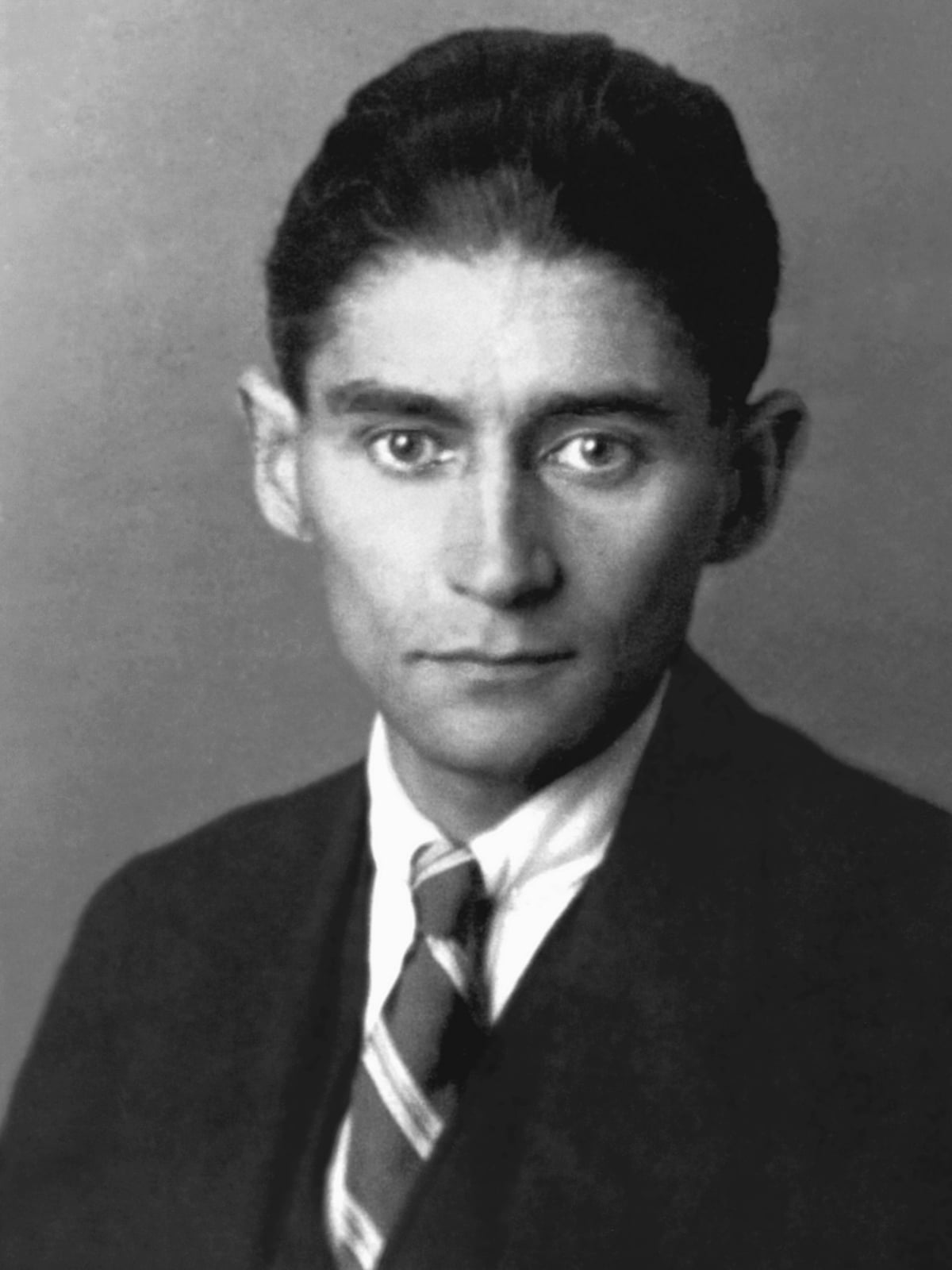
프란츠 카프카

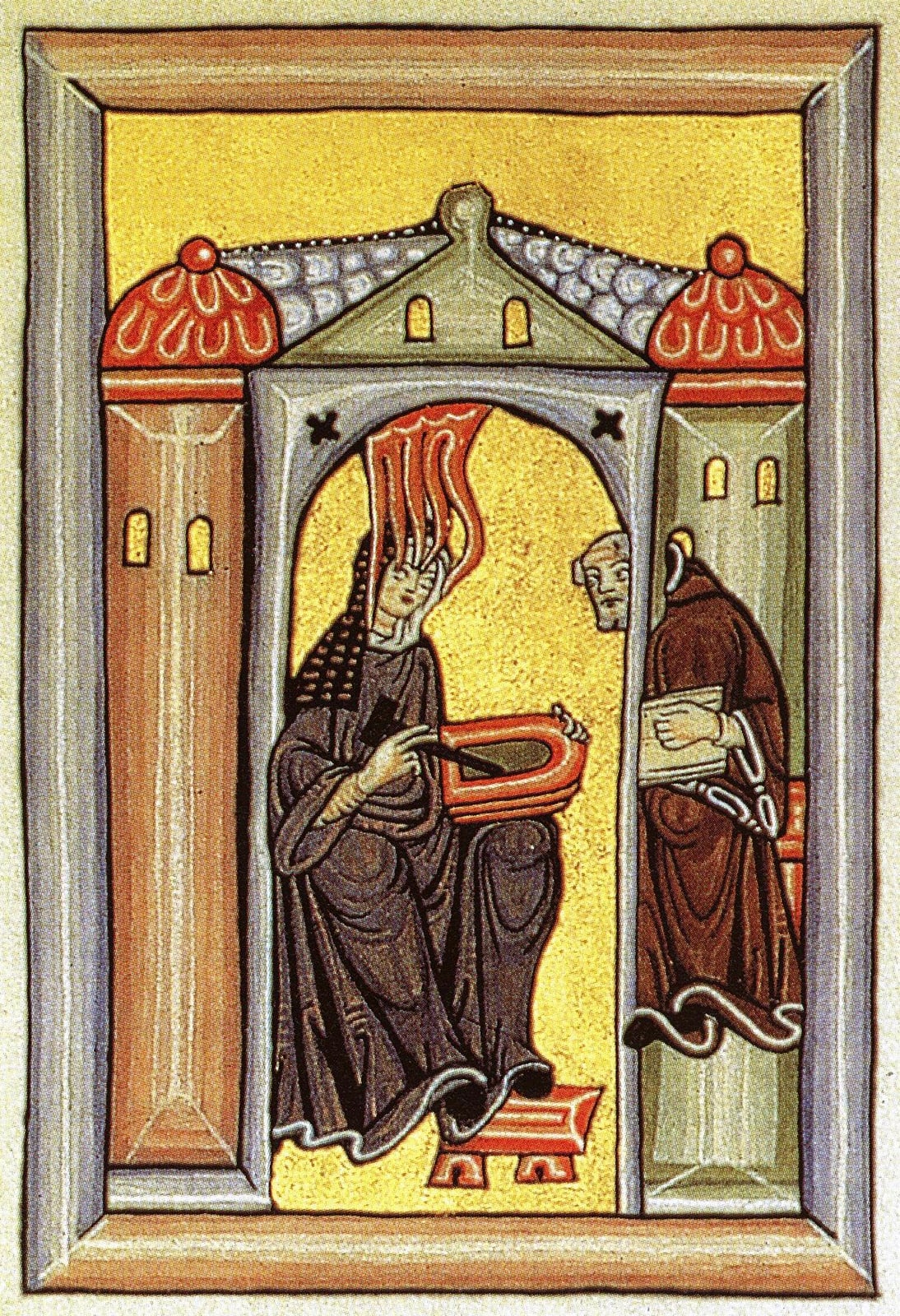
힐데가르트 폰 빙엔

루트비히 비트겐슈타인

레오나르도 다빈치

세쿼야
출처
- Henri Poincaré (Q81082) -- verified live via wbgetentities (2026-10-05): en label 'Henri Poincaré', description 'French mathematician, physicist and engineer (1854-1912)', born 29 Apr 1854, died 17 Jul 1912, citizenship France, ko label '앙리 푸앵카레'. Orientation only; not used as support for any row.
- J. J. O'Connor and E. F. Robertson, 'Henri Poincaré', MacTutor History of Mathematics archive (University of St Andrews) -- standard reference biography (non-self), drawing on Toulouse, Miller and Barrow-Green, so it is NOT independent of those sources. Read in full (life, working method, mathematics, philosophy, honours); the long reference list was not followed up.
- A. S. E. (Arthur Stanley Eddington), obituary 'Jules Henri Poincaré', Journal of the Royal Astronomical Society 73 (1913) pp. 223-228, as reproduced by MacTutor -- CONTEMPORARY ASTRONOMER'S obituary, admiring and written within a year of his death; used for his chairs and committee service, the astronomical work, the reception of his philosophical books, and his reluctant assessment of quantum theory. Read in full.
- J. J. O'Connor and E. F. Robertson, 'Poincaré - Inspector of mines', MacTutor History of Mathematics archive -- article on his 1879 service as a mining inspector at Vesoul, summarising the 1879 official report on the Magny pit explosion and the study of Roy and Dugas (Annales des Mines, 1954), who call the report 'a model of its kind'. Read in full; the report itself was not read.
- Gaston Darboux (Perpetual Secretary of the Academie des sciences, Poincare's senior colleague), 'Eloge historique d'Henri Poincare', in Oeuvres de Henri Poincare vol. II (Gauthier-Villars, Paris, 1916), pp. vii-lxxi, Internet Archive scan -- INSIDER official eulogy, laudatory in tone but rich in contemporary testimony (schoolteachers, classmates, Weierstrass's letter on the prize memoir, the list of his Sorbonne courses). Read the sections on his youth, the prize competition, the Sorbonne courses, celestial mechanics and the Academy sections; the technical sections were skimmed.
- Edouard Toulouse (physician-psychologist, director of the Laboratoire de psychologie of the Ecole des Hautes Etudes), 'Enquete medico-psychologique sur la superiorite intellectuelle: Henri Poincare' (Flammarion, Paris, 1910), Internet Archive scan -- INDEPENDENT OBSERVER'S study based on interviews and tests conducted with Poincare in 1897. Only the chapters on his stated working habits, manner of writing a memoir and absent-mindedness were read and used; the medical, hereditary and physiological chapters were deliberately not used.
- Jacques Hadamard (mathematician, Poincare's successor in the Academie des sciences), 'An Essay on the Psychology of Invention in the Mathematical Field' (Princeton University Press, 1945; Dover reprint), Internet Archive scan -- INDEPENDENT but partly critical analysis of Poincare's 1908 lecture on mathematical creation; Hadamard reports his own comparable experience and disputes some objections. Read the chapters that discuss Poincare (preparation, incubation, illumination, the role of the unconscious).
- Jean-Christophe Yoccoz (Fields medallist in dynamical systems), 'Une erreur feconde du mathematicien Henri Poincare', Gazette de la SMF no. 107 (January 2006) -- expert article on the 1888-1890 prize memoir, its error and the discovery that came from correcting it; relies on June Barrow-Green's book for the historical circumstances (the book itself was not available). Read in full.
- Richard P. Brent (Australian National University), 'Some instructive mathematical errors', arXiv:2106.07269 (2021), section 2.3 on Poincare's prize essay -- scholarly note that summarises the prize committee's statement, Phragmen's 1888 comment and the 1889 recall of the printed memoir from Barrow-Green and others. Section 2.3 read in full; the other sections concern other mathematicians.
- Henri Poincare Papers (ed. Scott A. Walter, Universite de Nantes): letter of Felix Klein to Poincare, 9 July 1881 (doc. 7-2-54), and letter of Poincare to Klein, 4 April 1882 (doc. 7-2-64), English translations of the original German and French -- PRIMARY correspondence, with Klein's letter giving the other side of the dispute over the naming of the functions. Both letters read in full; the other letters in the exchange were not read.
- Scott A. Walter (historian of physics), 'Poincare on clocks in motion', Studies in History and Philosophy of Modern Physics 47 (2014) pp. 131-141, HAL open copy -- scholarly article built on newly found student lecture notes; read the introduction, sections 3-4 (the light ellipse, his 1908-1909 revision toward clocks in motion) and the discussion.
- Thibault Damour (theoretical physicist, IHES), 'Poincare, the Dynamics of the Electron, and Relativity', arXiv:1710.00706 (2017) -- commentary on Poincare's June 1905 Comptes Rendus note by a physicist who is critical of both over- and under-reading of Poincare; read the context, the discussion of the note's new results and the closing sections on how it was received and on Poincare's later attitude to Einstein.