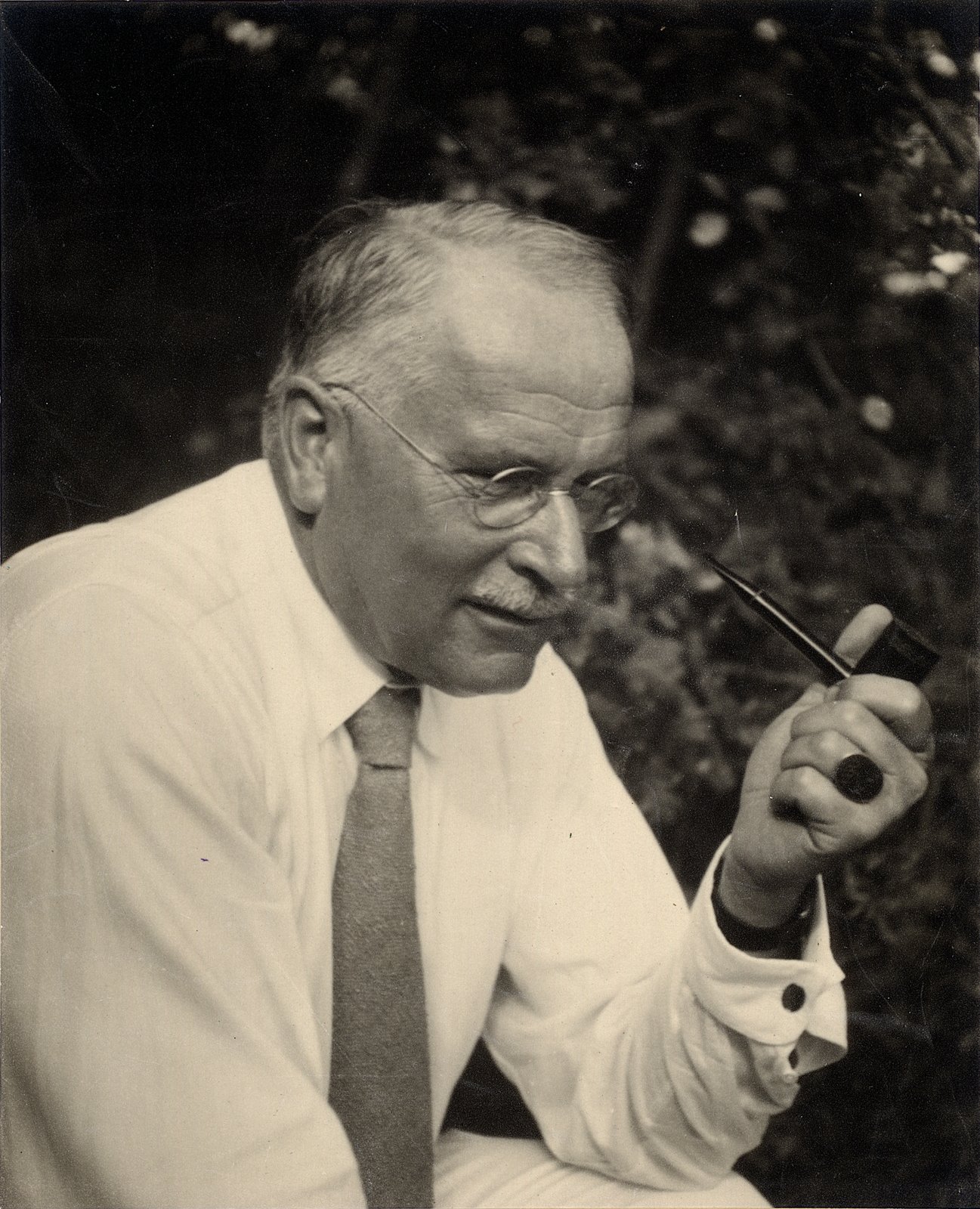
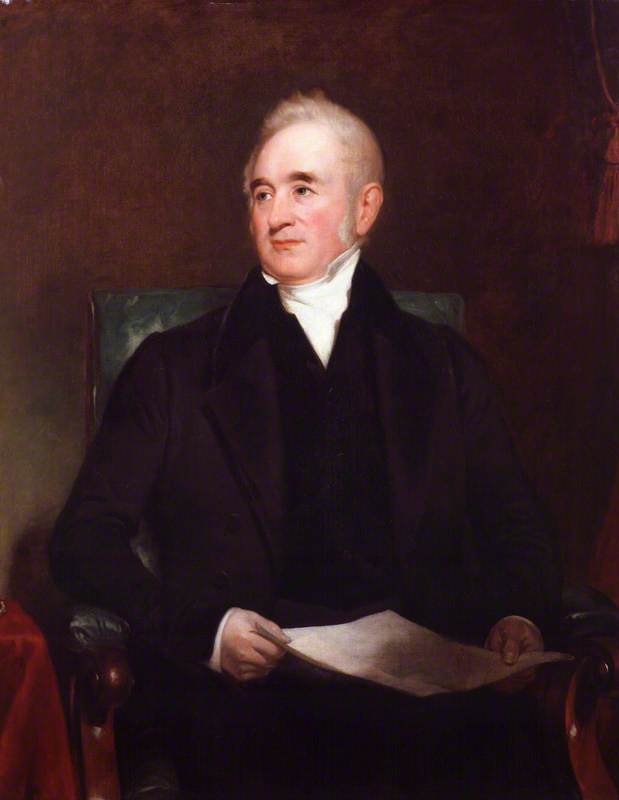

Henry William Pickersgill (1782-1875), George Stephenson, c.1845, oil on canvas, 111.8 x 87 cm, National Portrait Gallery, London (NPG 410); public domain (artist died 1875); file as hosted on Wikimedia Commons, not resized. · National Portrait Gallery, London (NPG 410), via Wikimedia Commons (Art UK image) · Public domain
핵심 특성
주요 업적
그는 1825년 9월 27일 개통된 스톡턴-달링턴 철도와 1830년 9월 15일 개통된 리버풀-맨체스터 철도의 기사장으로, 증기기관차로 열차를 끄는 초기 공공 철도 두 곳을 건설했다. 리버풀-맨체스터 선은 챗 모스 습지를 가로질렀다. 두 철도 모두 탄광 궤도에서 이미 쓰이던 4피트 8.5인치 궤간으로 깔았고, 이 궤간이 훗날 표준궤가 되었다.
그는 1814년부터 킬링워스 탄광에서 기관차를 만들고 개량했으며, 1823년에는 훗날 로버트 스티븐슨 사로 발전한 뉴캐슬 공장을 공동 설립했다. 아들 로버트의 지휘 아래 이 공장에서 만든 로켓호는 1829년 10월 레인힐 시험에서 리버풀-맨체스터 철도의 상금 500파운드를 받았다. 다관식 보일러는 철도 회사 회계 담당자 헨리 부스의 착상으로 알려져 있어, 이 성과는 여럿이 함께 이룬 것이다.
그는 1815년 10월과 11월 킬링워스 탄광에서 좁은 관을 통해서는 불꽃이 전파되지 않는다는 원리에 기댄 광부용 안전등 세 가지를 시험했고, 이 형식은 '조르디 램프'로 알려졌다. 험프리 데이비도 같은 가을에 자신의 안전등을 발표해 두 사람 사이의 선취권이 논란이 되었다. 1816년 데이비 지지자들은 그에게 2,000파운드를, 1818년까지 스티븐슨 지지자들은 스티븐슨에게 1,000파운드를 모아 주었다.
삶의 장면들
리버풀-맨체스터 선이 지나야 했던 챗 모스는 면적이 약 12제곱마일에 이르는 이탄 습지다. 스마일스에 따르면 첫 제방은 몇 주 동안 거듭 가라앉았고, 이사회는 공사를 계속할지 정하려고 습지 위에서 회의를 열었다. 스티븐슨은 1837년 버밍엄 만찬에서 다른 기술자들의 의견도 구해 본 상태였고, 이사들이 어쩔 수 없이 자신이 계속하도록 허락했으며, 자신은 결과를 한 번도 의심하지 않았다고 회고했다. 1830년 1월 1일 로켓호가 끄는 첫 시험 열차가 이 습지를 건넜다.
이사들의 의심과 그 자신의 확신에 관한 이야기는 대부분 스마일스가 전한 1837년의 회고에 의존하므로, 이 일화는 이 프로필의 끈기 점수와 어울리는 한 가지 사례로 보아야 하며, 그가 늘 한결같았다는 확정적 척도로 읽어서는 안 된다. 끈기
1815년 10월 21일 스티븐슨은 첫 안전등을 들고 킬링워스 탄광의 한 갱도로 들어갔다. 그곳은 분출구에서 나오는 가스로 공기를 일부러 탁하게 만들려고 판자를 둘러 둔 곳이었다. 하급 감독 존 무디는 불 켜진 양초를 들이면 폭발할 것이라고 경고했다. 니콜라스 우드와 무디는 시야 밖으로 물러섰고, 스티븐슨은 불을 켠 등을 들고 분출구 쪽으로 나아갔다. 불꽃은 커졌다가 꺼졌을 뿐 가스에 불이 붙지는 않았다. 무디는 1817년 위원회에서 같은 취지로 증언했고, 훗날 데이비의 전기 작가 패리스는 이 첫 안전등이 건전한 설계가 아니었다고 주장했다.
경험 많은 동료의 경고를 듣고도 시험해 보지 않은 안전등을 들고 가스 쪽으로 나아간 일은 이 프로필의 보통 수준 위험 감수 점수와 어울린다. 다만 그가 리버풀 이사들에게는 낮은 속도만 약속하고 견적이 너무 낮아 보이는 노선은 맡지 않았다는 기록도 있어, 이 프로필은 그 점수를 높게 잡지 않았다. 위험 감수
전환점
1821년 말 당시 킬링워스 탄광의 기관 담당자였던 스티븐슨은 니콜라스 우드와 함께 달링턴으로 가서, 스톡턴-달링턴 철도의 발기인 에드워드 피스에게 자신을 기사로 써 달라고 청하고 말보다 기관차를 쓰자고 설득했다. 그는 1822년 초 기사로 임명되었다. 그때까지 그의 기관차는 사설 탄광 선로에서만 달렸으나, 이 임명으로 그는 공공 철도의 기사가 되었고, 약 4년 뒤에는 리버풀-맨체스터 철도의 기사로도 임명되었다.
먼저 제안을 받기를 기다리지 않고 초청 없이 발기인을 직접 찾아간 일은 이 프로필의 주도성 점수와 어울린다. 다만 이 방문의 세부는 스마일스가 전한 피스의 회고에 바탕을 두고 있다. 선제적 행동력
비슷한 인물
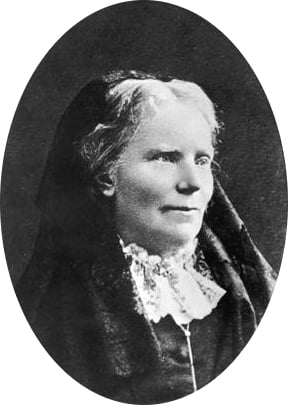
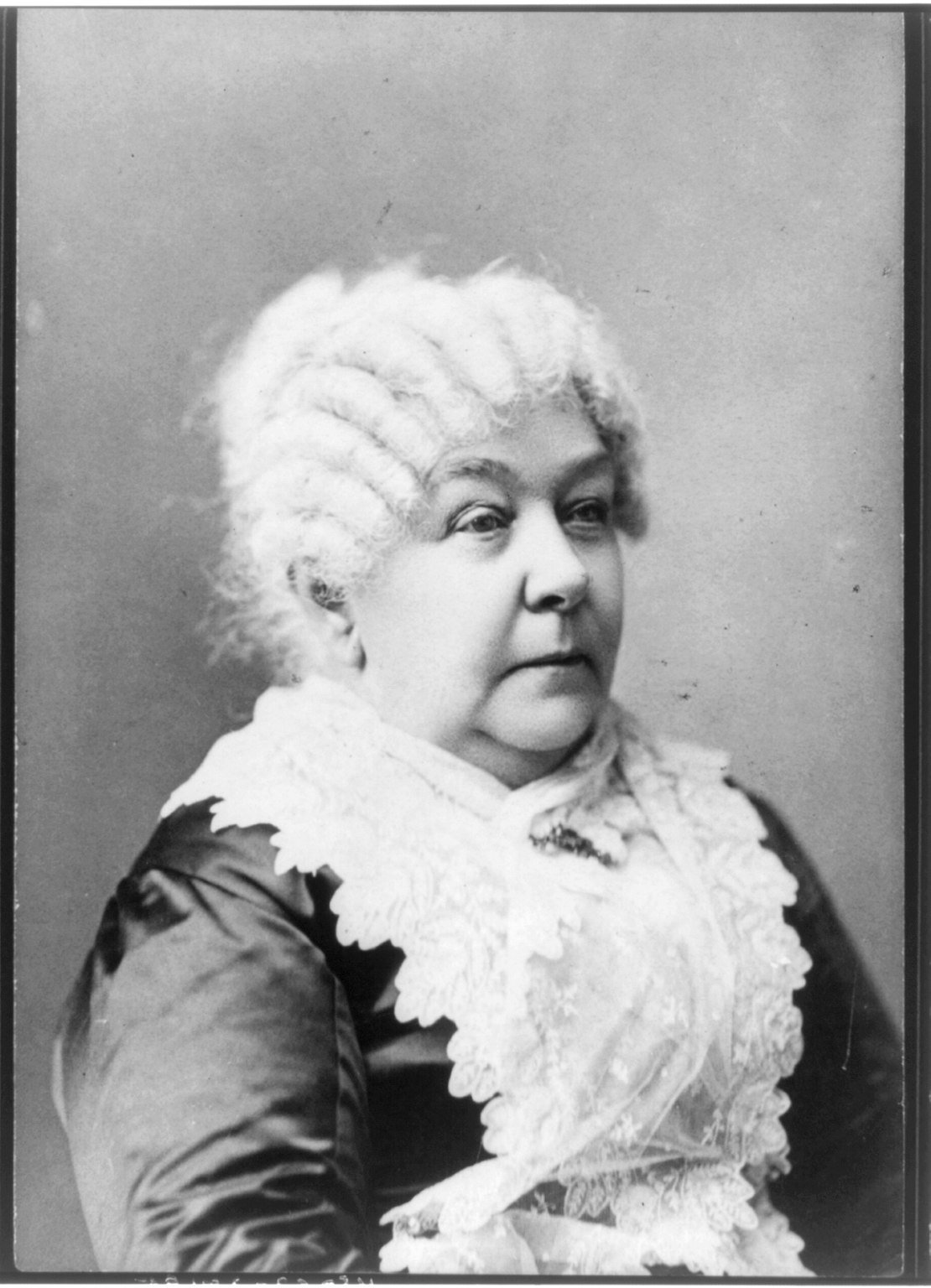
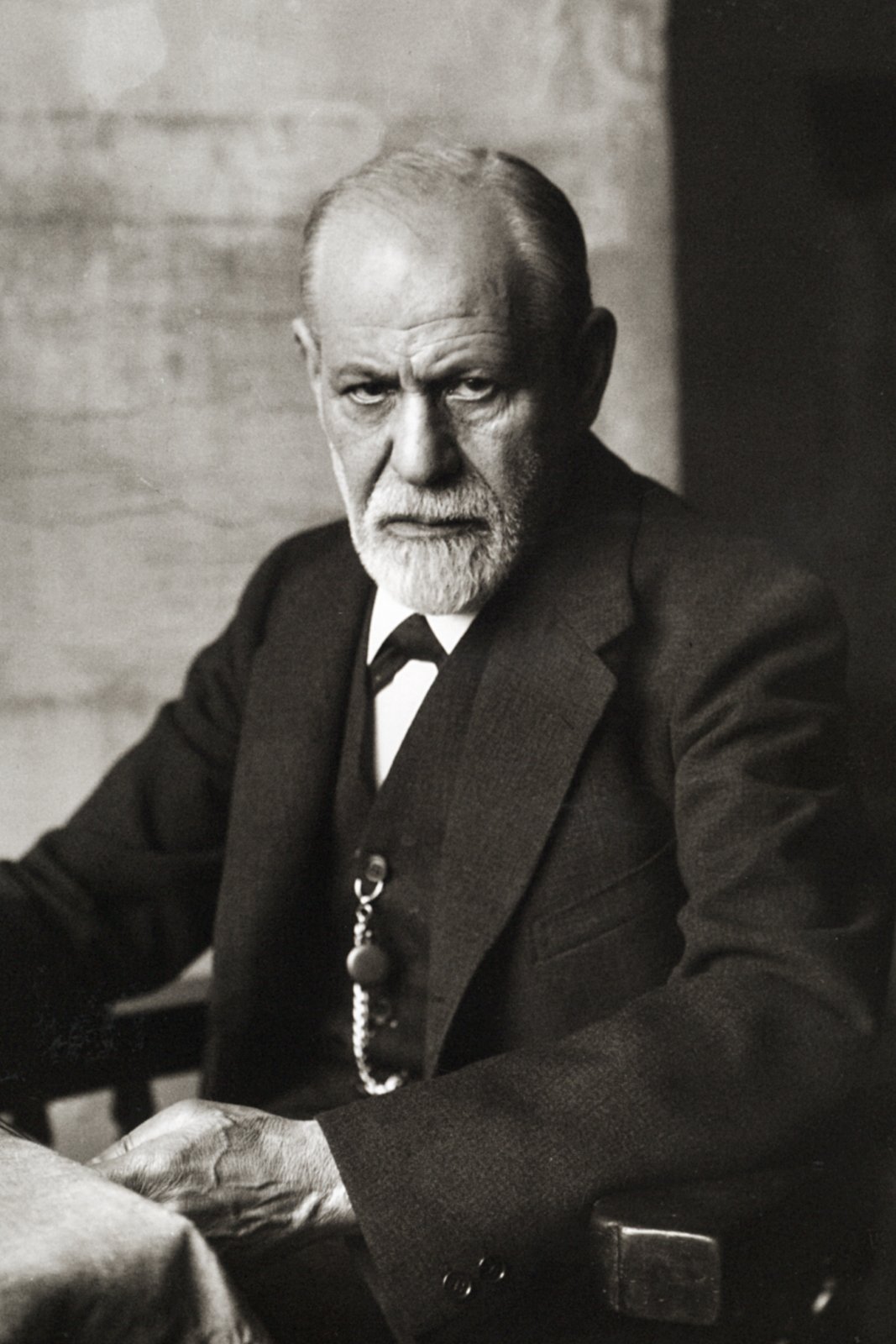
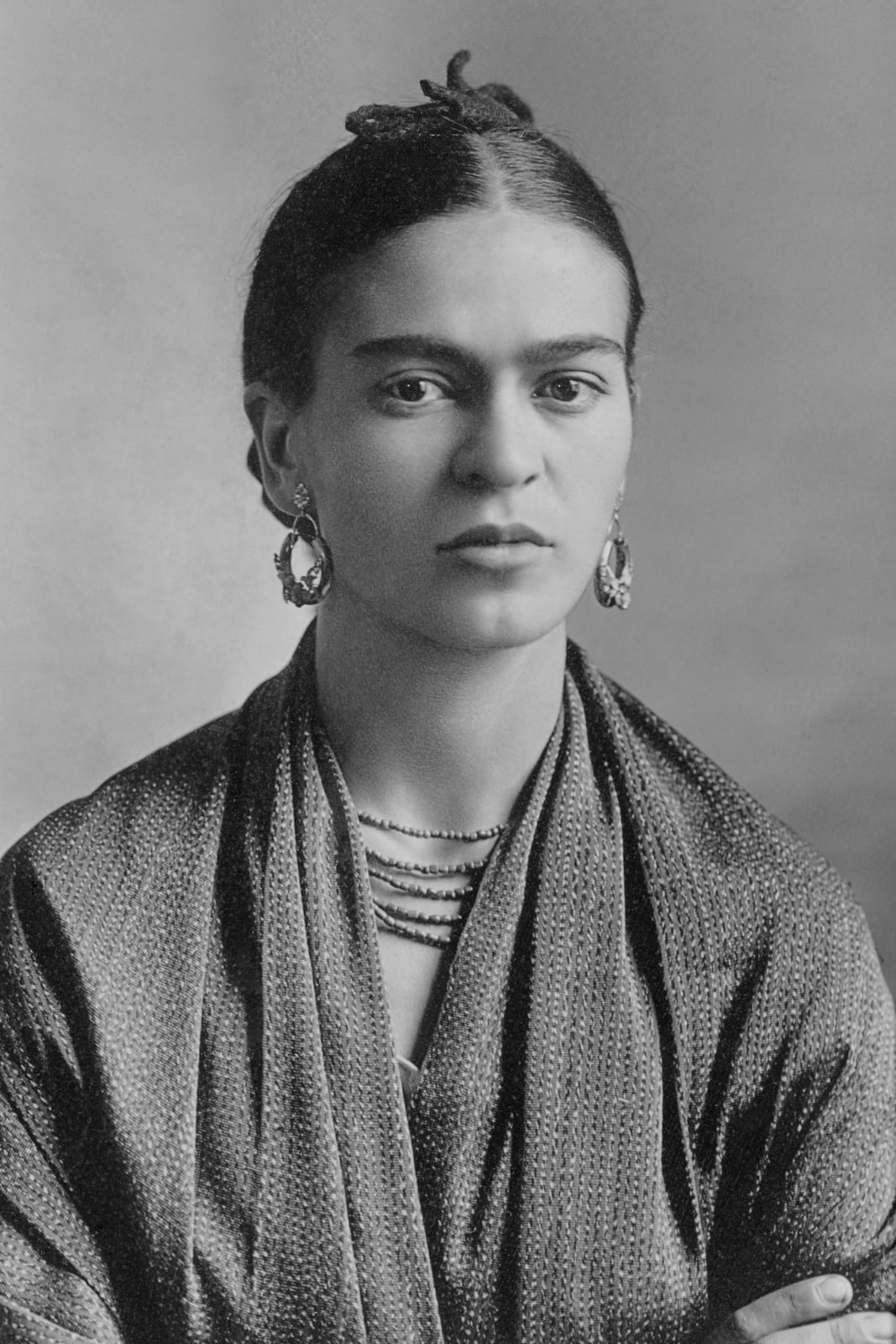
전체적인 프로필이 이 사람과 닮은 사람들이에요.


엘리자베스 블랙웰

엘리자베스 케이디 스탠턴

지그문트 프로이트

프리다 칼로

카를 융
출처
- George Stephenson -- orientation only (dates, nationality, occupations, career outline); not used as support for any scored row. Fetched and read (summary).
- George Stephenson (Q133614) -- identity verified live through the wbgetentities API: label 'George Stephenson', description 'English civil and mechanical engineer and the "Father of Railways" (1781-1848)', born 9 Jun 1781, died 12 Aug 1848, citizenship United Kingdom of Great Britain and Ireland, ko label and kowiki title '조지 스티븐슨'. Orientation only.
- Samuel Smiles, The Life of George Stephenson and of his Son Robert Stephenson (later edition citing events to 1867), Project Gutenberg #46229 full text -- the standard Victorian biography, built largely on George and Robert Stephenson's own recollections, evidence they gave to Parliament and the testimony of their colleagues, so SELF/AFFILIATED and admiring; counted as one perspective and never the sole support for a row. Read closely: the early-years and Killingworth chapters, the safety-lamp chapter, the Stockton and Darlington chapter (rails, gauge, the visit to Edward Pease), the 1825 Parliamentary contest, Chat Moss, and the closing chapters on his character, honours and politics. Other chapters were searched, not read.
- T. H. Beare, 'Stephenson, George', Dictionary of National Biography vol. 54 (1898), Wikisource transcription -- reference-work biography, NON-SELF but explicitly founded on Smiles's Life and the 1849 memoirs, so not an independent perspective. Read in full; used for dates, the order of events, the Davy lamp controversy as the compiler states it, and corroboration of the night-school, shoe- and clock-mending and engine-dismantling episodes.
- John Ayrton Paris, The Life of Sir Humphry Davy (London: Colburn and Bentley, 1831), vol. 2, Internet Archive OCR full text -- Davy's friend and biographer, a hostile PARTISAN on the safety-lamp priority dispute; NON-SELF and adversarial to Stephenson. Read: pp. 107-109, 119 and 128-129 (the passage dismissing the claim made for 'an engine-wright of Killingworth', the critique of Stephenson's first lamp, Davy's own 1816 letter and the London counter-resolutions). Paris nevertheless says he is 'very willing to believe' Stephenson built his first lamp without knowing Davy's conclusions.
- George Stephenson, A Description of the Safety Lamp invented by George Stephenson, and now in use at Killingworth Colliery (London, 1817), Wellcome Collection scan, OCR text -- Stephenson's own 16-page pamphlet; PRIMARY and SELF, so never the only support for a row. Read in full: his dated account of the three lamps (21 Oct, 4 Nov and 30 Nov 1815), his refusal to publish a theory, and his comments on Davy's and Clanny's lamps.
- Joseph Devey, The Life of Joseph Locke, Civil Engineer (London: Bentley, 1862), chapter VII 'The Grand Junction Railway: George Stephenson and Joseph Locke', Internet Archive OCR full text -- written from the side of Stephenson's pupil and later rival Locke, so a PARTISAN and openly critical account; NON-SELF. Read in full (pp. 90-105): the Locke/Stephenson disagreements over credit and over contract specifications, the Edge Hill tunnel errors, and the 1835 withdrawal. Its adjectives and verdicts ('only one was right') are treated as one side's advocacy; only dated, checkable episodes are used.
- J. C. Jeaffreson (with William Pole), The Life of Robert Stephenson, vol. 1 (London: Longman, 1864), Internet Archive OCR full text -- a biography of Stephenson's son prepared with the family's co-operation, so AFFILIATED, but by a different author who prints Stephenson's own letters and corrects parts of Smiles; NON-SELF for George. Read: chapters I-V (Killingworth, the son's schooling, the 1816 patent with Losh, the 1824 rupture with Losh) and chapters VIII-IX (the 1828 boiler trials, Walker and Rastrick's 1829 reports, the premium offer, the Rocket and Rainhill).
- Sir Daniel Gooch, Diaries of Sir Daniel Gooch, Baronet (London: Kegan Paul, Trench, Trubner, 1892), Internet Archive OCR full text -- firsthand recollection by a locomotive engineer who knew Stephenson from childhood and worked for Robert Stephenson and Co in 1836; NON-SELF, admiring but on the opposite side of the 1845 gauge fight. Searched for every mention of George Stephenson and read in context (pp. 12-13, 30-31, 55-56).
- Science Museum Group Collection, people record 'George Stephenson 1781-1848' (biographical summary, no individual author credited) -- institutional overview; NON-SELF. Read in full: Killingworth and the 1815 lamp claim, the Stockton and Darlington appointment and 1825 opening, the Liverpool and Manchester appointment, the Rocket 'built under the direction of his son Robert', the declined English honours and the Institution of Mechanical Engineers.
- Science Museum Group Collection, object record 'Rocket locomotive' (1829) -- institutional catalogue entry naming Robert Stephenson as designer and Robert Stephenson and Company as maker, and describing the Rainhill trials; NON-SELF. Read in full; used only for the credit attribution of the Rocket and the trial result, not for any behaviour.
- Jacqueline Banerjee, 'George Stephenson (1781-1848)', The Victorian Web -- modern secondary biography that quotes the Oxford Dictionary of National Biography assessment (M. B. Kirby): calling him 'father of the locomotive' is simplistic, yet he 'ranks as an engineering genius'; also records the standard-gauge legacy, the declined knighthood and the criticism that he saw himself as the engineer for every line. NON-SELF, secondary, balanced; fetched and read in full.