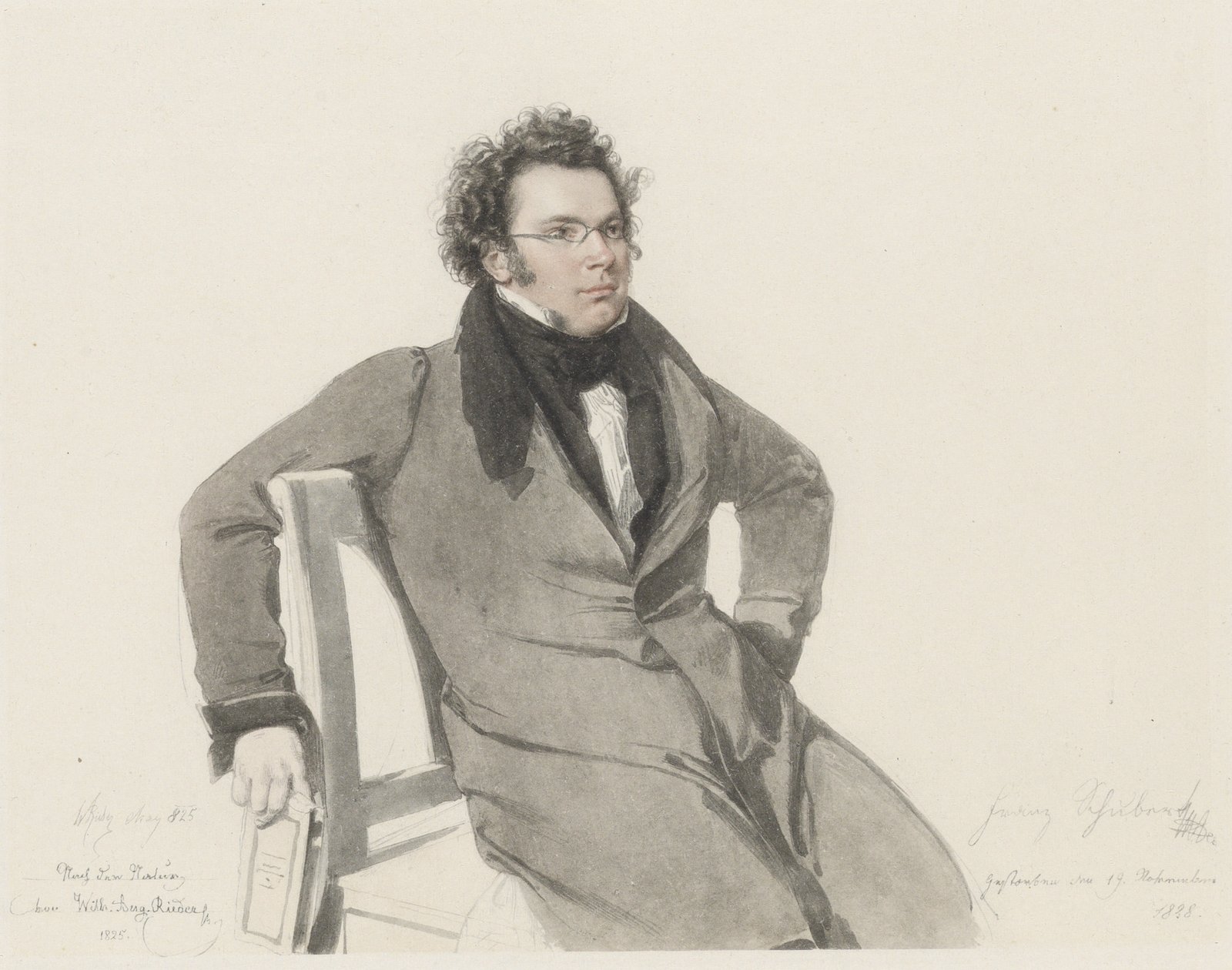

Wien Museum Online Sammlung (inv. 103817), collotype by Max Jaffe, published by Karl Konig, after Wilhelm August Rieder's 1825 watercolour portrait of Schubert made from life; the Wien Museum page states the image may be reused under CC0 and asks that the author, photographer and Wien Museum be named as source · Wien Museum Online Sammlung, inventory 103817: 'Franz Schubert (1797-1828), Komponist (Reproduktion eines Aquarells von Wilhelm August Rieder von 1825)', collotype (Lichtdruck) c. 1870-1900, published by Karl Konig, Vienna, printed by Max Jaffe, after Wilhelm August Rieder (1796-1880) · CC0 1.0 (Wien Museum object page); the underlying watercolour (1825) and the print (c. 1870-1900) are in the public domain
작곡가 · 19세기
프란츠 슈베르트
1797–1828
주요 업적 분야
아직 성격 매칭에 포함되지 않았습니다 — 기록된 근거가 성격 모델 전체를 다루기에는 충분하지 않습니다. 이 페이지의 다른 모든 내용은 자유롭게 확인하실 수 있습니다.
핵심 특성
주요 업적
슈베르트는 열일곱 살이던 1814년 10월 괴테의 시에 붙인 가곡 「물레 잣는 그레트헨」을, 1815년 겨울에는 발라드 「마왕」을 썼다. 그로브는 1815년 한 해에만 가곡 137곡을 센다. 빈의 주요 출판사 디아벨리와 하슬링거가 거절한 뒤 1821년 「마왕」은 존라이트너 모임의 예약 구독자들이 비용을 대어 판각·출판되었고, 성악가 요한 미하엘 포글이 1821년 3월 7일 빈에서 이 곡을 공개 연주했다.
1823년 그는 빌헬름 뮐러의 시 20편을 가곡집 「아름다운 물방앗간 아가씨」로 작곡했고(1824년 작품번호 25로 출판), 1827년 2월에는 뮐러의 연작시 「겨울 나그네」 24곡의 작곡에 착수했다. 앞의 12곡에는 그달의 날짜가 적혀 있고 제2부는 같은 해 후반에 완성했다. 하슬링거는 1828년 1월 제1부를 출판했다. 그로브는 프란츠 라흐너가 슈베르트의 부탁으로 「겨울 나그네」 가곡 여섯 곡을 출판사에 가져가 6굴덴을 받아 왔다고 전한다.
슈베르트는 1822년 10월 30일 나단조 교향곡을 쓰기 시작해 두 악장을 완성했는데, 이것이 '미완성 교향곡'으로 알려진 작품이다. 자필 악보는 안젤름 휘텐브레너와 함께 그라츠에 남아 있다가 1865년 요한 헤르베크의 지휘로 빈에서 연주되었고 1867년 출판되었다. 1828년 3월에는 마지막 교향곡인 다장조 교향곡(자필 악보 218쪽)에 착수했다. 빈 악우협회에서 파트보를 필사하고 몇 차례 리허설을 했으나 너무 길고 어렵다는 이유로 철회되었으며, 두 교향곡 모두 생전에 연주되지 못했다(그로브).
그의 실내악으로는 클라리넷, 호른, 바순과 현악기를 위한 팔중주(1824년 2~3월, 아마추어 클라리넷 연주자 트로이어 백작을 위해 작곡), 현악 사중주 라단조(1826년 1월 29일 첫 연주), 피아노 삼중주 두 곡(1827년 10~11월), 1828년의 현악 오중주 다장조가 있으며, 그로브는 이 오중주를 슈베르트 최고의 실내악일 뿐 아니라 이 장르 최고 작품 중 하나로 평했다. 1828년 3월 26일 그는 자기 작품만으로 구성한 유일한 공개 연주회를 열었고, 음악협회 홀은 사람들로 가득 찼으며 그로브에 따르면 약 800굴덴의 수입을 올렸다.
삶의 장면들
친구 요제프 폰 슈파운에 따르면, 1815년 말의 어느 오후 슈파운이 아버지 집의 슈베르트 방에 찾아갔을 때 그는 괴테의 「마왕」에 흥분해 있었다. 슈베르트는 시를 두 번 읽은 뒤였고 슈파운은 그가 곡을 적고 있는 것을 보았다. 반주는 금세 채워졌고 저녁에 그는 옛 합창학교인 콘빅트에서 이 곡을 불렀는데, '아버지, 아버지, 그가 나를 붙잡아요' 대목의 화성에 청중이 얼굴을 찡그렸고 화성학 교사 루지치카가 이를 설명해 주었다. 크라이슬레와 그로브 모두 이 이야기를 슈파운에게서 옮겨 적었으며 두 번째 목격자는 없다.
한나절에 완성된 곡을 써낸 것은 빠른 실행 속도와 부합한다. 이런 종류의 이야기 중 가장 유명하지만 한 친구의 증언에 의존한다. 실행 속도
1823년 슈베르트는 5월 25일 3막 오페라 「피에라브라스」를 쓰기 시작해 5월 31일까지 제1막 총보를 끝냈고, 10월 1일까지 약 천 쪽에 달하는 세 막 전체를 완성했다. 1824년 초 그는 궁정 오페라 극장이 이 작품을 퇴짜 놓았음을 알게 되었고, 요제프 쿠펠비저가 쓴 대본이 이유로 지목되었다. 1824년 3월 쿠펠비저의 형제인 화가 레오폴트에게 보낸 편지에서 그는 이렇게 오페라 두 편을 헛되이 작곡했다고 썼고, 같은 편지에서 팔중주와 사중주는 대교향곡으로 가는 길을 닦기 위한 것이라고 밝혔다. 이 오페라는 생전에 무대에 오르지 못했다.
거절당한 오페라에서 곧바로 교향곡으로 가는 단계라고 설명한 실내악으로 방향을 돌린 것은 끈기와 부합한다. 그로브는 그가 약한 대본을 거듭 골랐다는 점도 함께 지적한다. 끈기
전환점
1816년 4월 당시 아버지 학교의 보조 교사였던 슈베르트는 살리에리와 학교 감독관 슈펜두의 추천서를 갖추어 라이바흐에 새로 생긴 음악 교사직에 지원했으나, 그 자리는 살리에리의 추천으로 야코프 샤우플에게 돌아갔다. 1816년 가을 그의 가곡을 흠모하던 대학생 프란츠 폰 쇼버가 그를 자기 숙소로 데려갔고, 슈베르트는 아버지의 학교를 떠났다. 그로브는 그가 시도했던 몇몇 개인 레슨도 곧 그만두었다고 덧붙인다. 몇 해 뒤 그는 궁정 오르가니스트 자리를 사양했고 1826년 궁정 부악장직에는 지원했으나 떨어졌다.
정해진 봉급이 있는 교직을 떠나 친구들 곁의 불안정한 생활을 택하고, 요제프 휘텐브레너의 전언대로 자유를 지키려고 궁정 오르가니스트 자리를 사양한 것은 안정된 수입을 희생하더라도 자율성을 크게 원하는 성향과 부합한다. 자율성 욕구
비슷한 인물
전체적인 프로필이 이 사람과 닮은 사람들이에요.


표도르 도스토옙스키

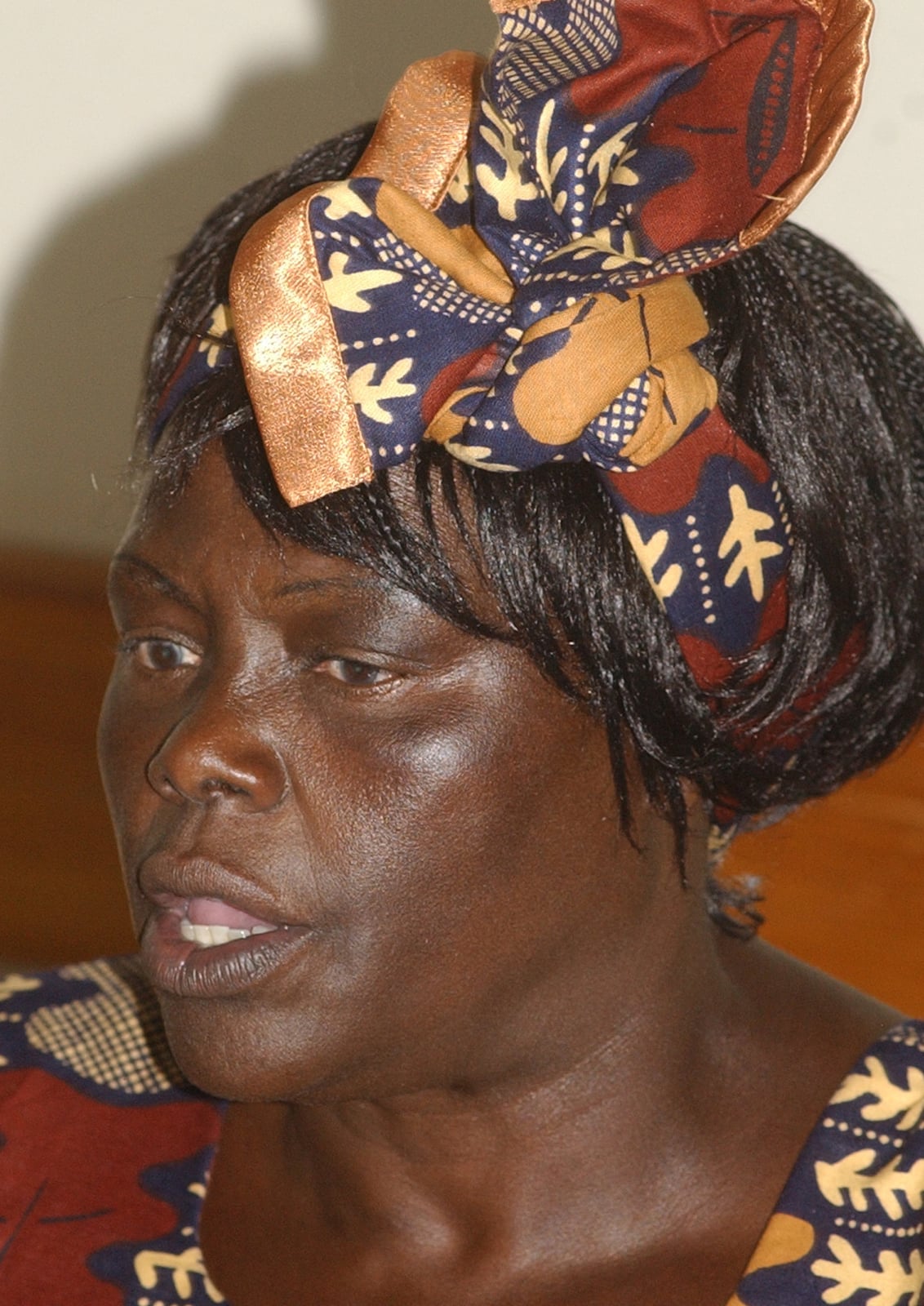
왕가리 마타이

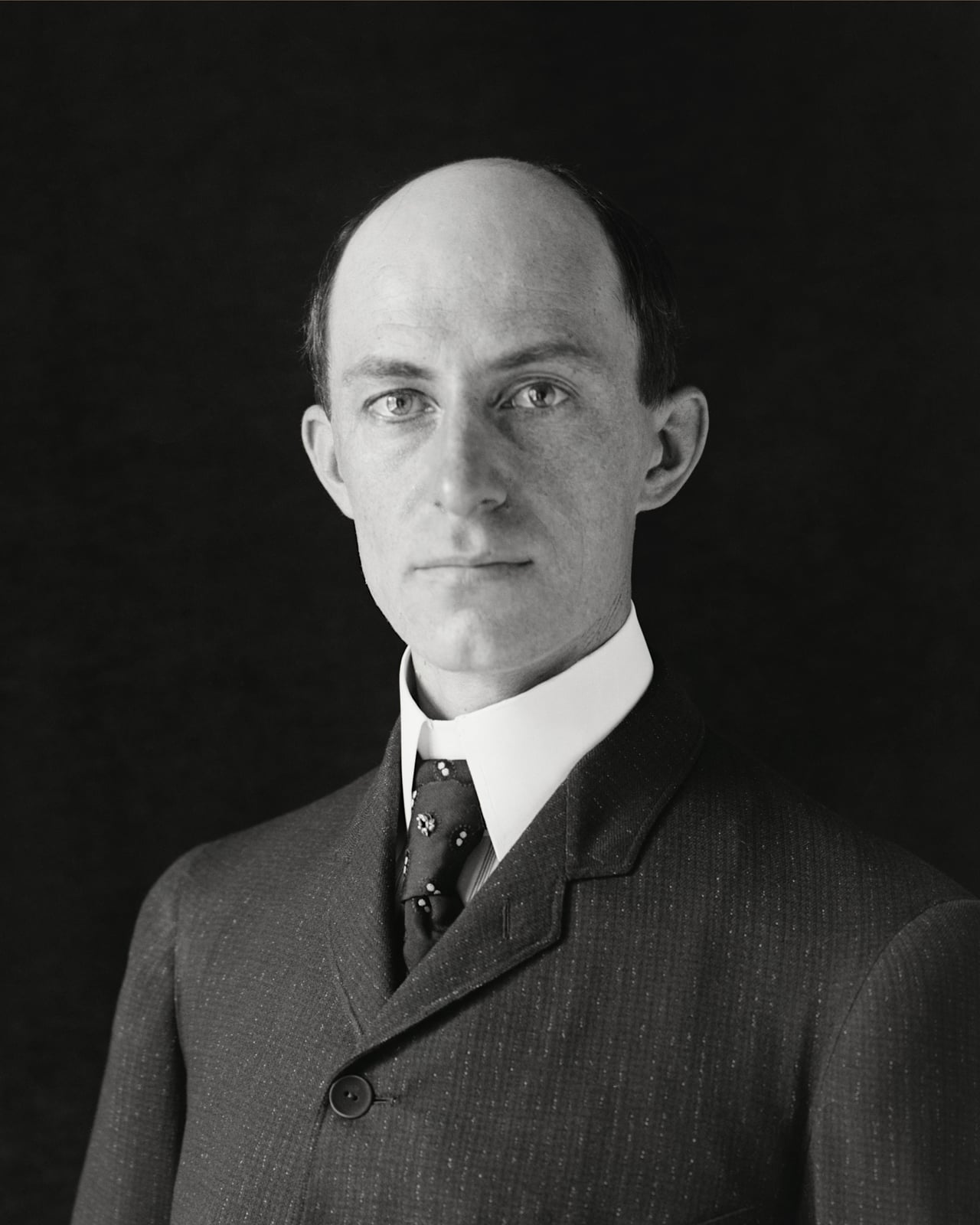
윌버 라이트

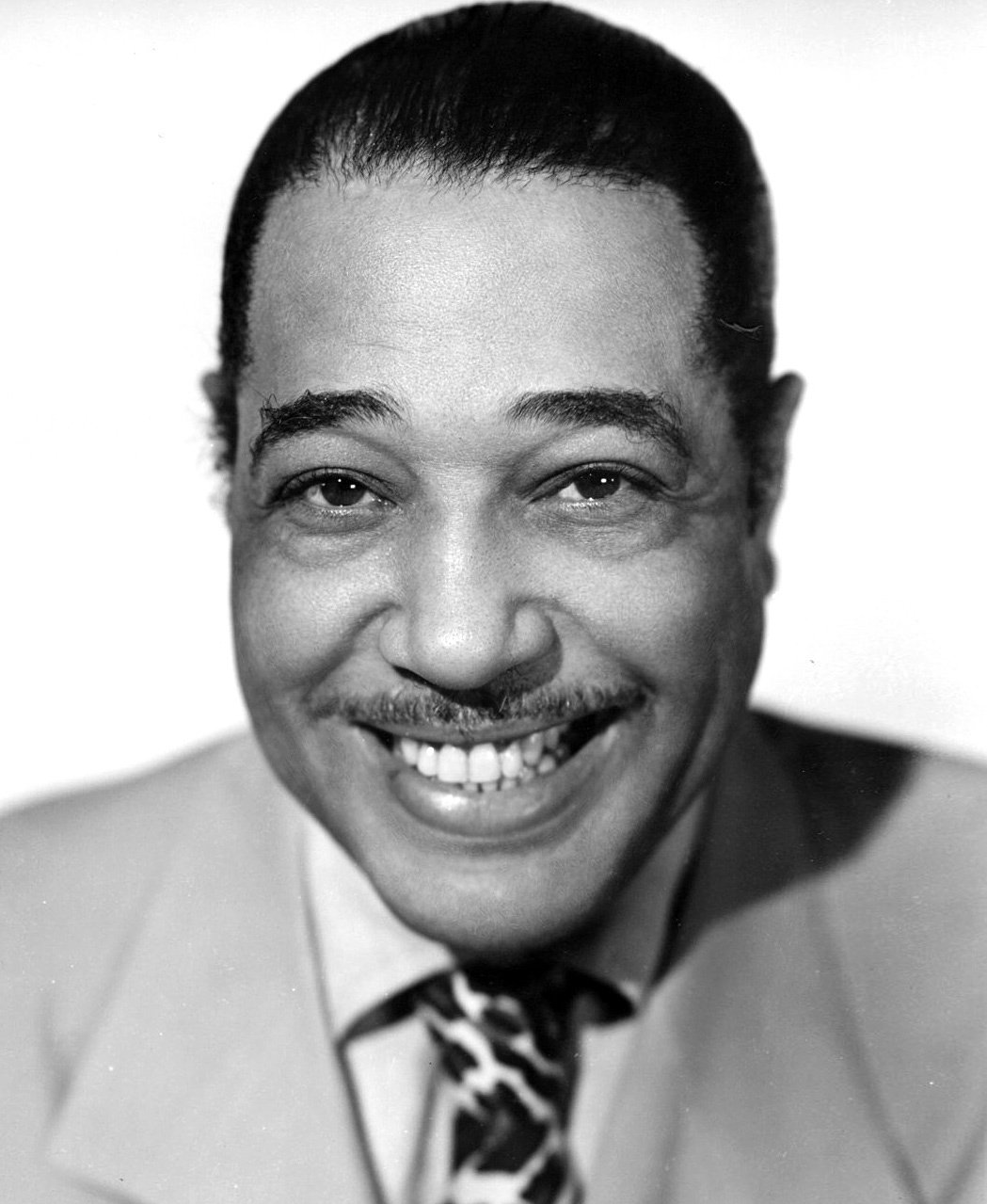
듀크 엘링턴

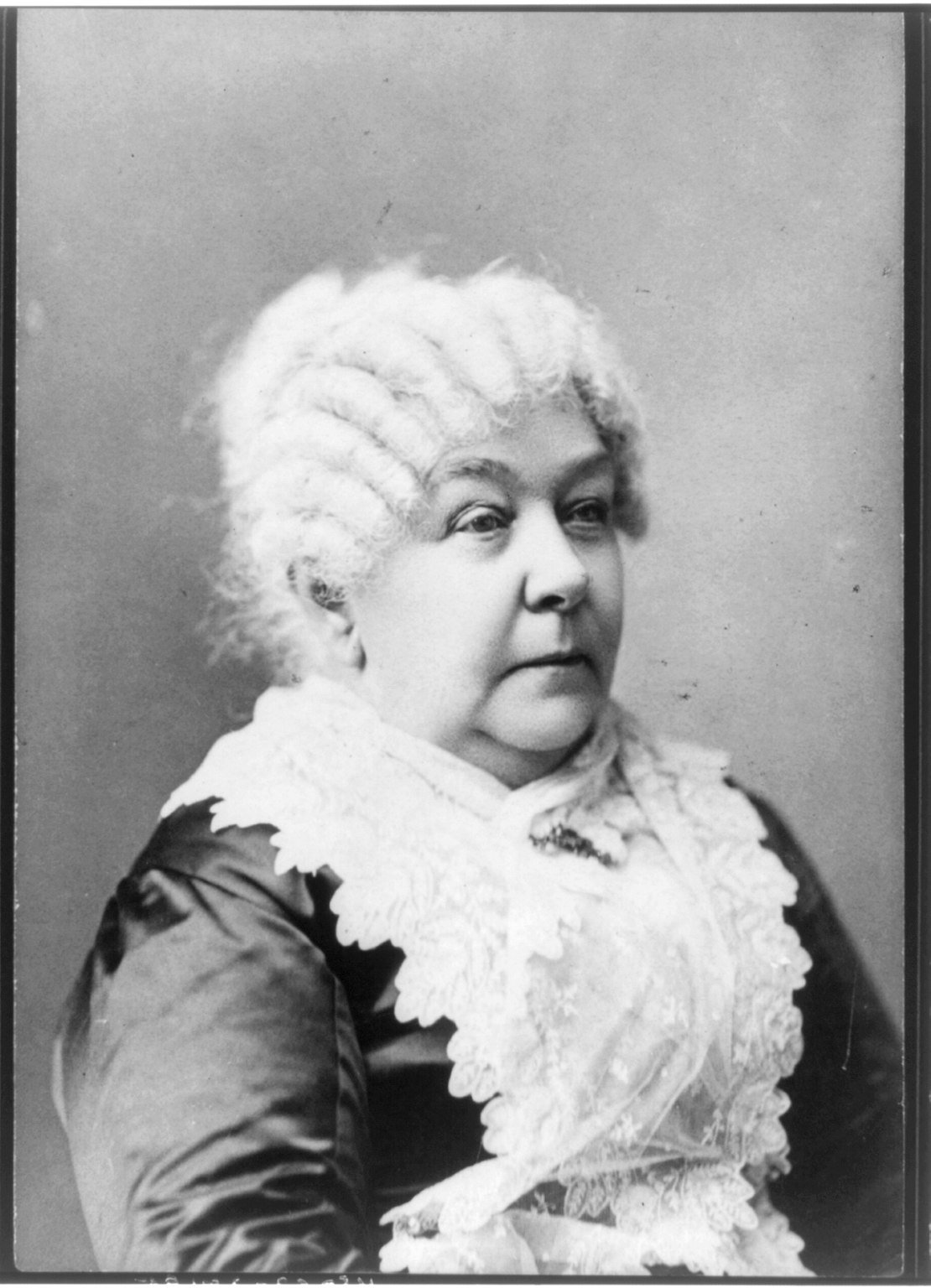
엘리자베스 케이디 스탠턴
출처
- Franz Schubert (Q7312) -- verified live via wbgetentities (2026-10-08): en label 'Franz Schubert', description 'Austrian composer (1797-1828)', born 31 Jan 1797, died 19 Nov 1828, instance of human, ko label '프란츠 슈베르트'. Orientation only; not used as support for any row.
- Heinrich Kreissle von Hellborn, The Life of Franz Schubert, translated by Arthur Duke Coleridge (London: Longmans, Green, 1869), volume 1, archive.org full text -- the first full biography, written from interviews with Schubert's brother, sister, friends (Spaun, Schober, Josef Huttenbrenner, Sonnleithner) and official documents; admiring and sometimes hedging between rival friends' accounts. Read in full for the chapters on the school years, the Laibach application (1816), life with Schober, the 1820-21 publication of the songs, the Beethoven episode and the offer of the court organist post; the work lists and criticism chapters were skimmed.
- Heinrich Kreissle von Hellborn, The Life of Franz Schubert, translated by Arthur Duke Coleridge (London, 1869), volume 2, archive.org full text -- continuation: Schubert's 1824 letter to Kupelwieser and diary extracts, the opera failures, the 1826 candidacy for vice-Kapellmeister, the publishers' letters of 1826-28, the Winterreise period, the concert of 26 March 1828, the Sechter episode and the final illness (not used). Read the chapters named; the catalogue of works and the closing appreciation were skimmed.
- Sir George Grove, 'Schubert, Franz Peter', in A Dictionary of Music and Musicians vol. 3 (London: Macmillan, 1883; reprinted 1900), archive.org full text -- long critical English article, built on Kreissle, Ferdinand Schubert, Bauernfeld's 1829 obituary, Thayer and the autographs (Grove examined manuscripts and cites Nottebohm's catalogue); more openly critical than Kreissle of Schubert's haste, his schooling and his choice of poor libretti. Read from the opening through the 1816-1818 section in full; later sections read in part (see notes).
- August Reissmann, Franz Schubert: Sein Leben und seine Werke (Berlin: Guttentag, 1873), Google scan on archive.org (German) -- independent German critic-biographer who draws on Kreissle but weighs the rival accounts himself; read chapter 6 (1823-24, the court organist offer) and chapter 7 (the 1826-27 vice-Kapellmeister candidacy and the Schechner-rehearsal story) in full; the rest of the book was searched, not read.
- Edmondstoune Duncan, Schubert (The Master Musicians series, London: J. M. Dent, 1905), archive.org full text -- English popular biography that corrects Grove on Schubert's working method (documents the Erlkonig re-writings, the six settings of 'Sehnsucht' and the revisions of the C major symphony); read the chapter on revisions and song-writing (pp. 124-127), the 1826-27 passage on the Vice-Kapellmeister vacancy and the Schechner rehearsal (pp. 55-57) and the Winterreise passage; the remaining chapters were skimmed. Derives from Kreissle and Grove, so counted as a secondary, not independent, perspective.
- Contemporary documents about Schubert quoted in full or in part in Kreissle (1869) and Grove (1883): letters of the Leipzig publishers H. A. Probst (26 Aug 1826, 9 Feb 1828), Breitkopf & Hartel (7 Sep 1826) and C. F. Peters (1822), the Allgemeine Musikalische Zeitung review of the Zauberharfe (1820), Salieri's Laibach testimonial (1816) and Hofkapellmeister Eybler's reply about a Mass; read as printed in those two books, not in the original archives -- non-self, contemporary and mutually independent of Schubert's circle (publishers and critics who had no stake in his friends' accounts).
- Schubert's own letters and diary entries (Kupelwieser, March 1824; Ferdinand, August 1818; Huttenbrenner, 1819 and January 1828; the Gesellschaft der Musikfreunde, September 1826; Bauernfeld-circle and Steyr/Salzburg letters of 1825) as translated and quoted in Kreissle (1869) and Grove (1883) -- SELF source, read second-hand in English translation; the Deutsch edition of the letters (The Schubert Reader, 1947) is lending-only and was not opened. Used only for his stated plans and actions, never for his moods or health.