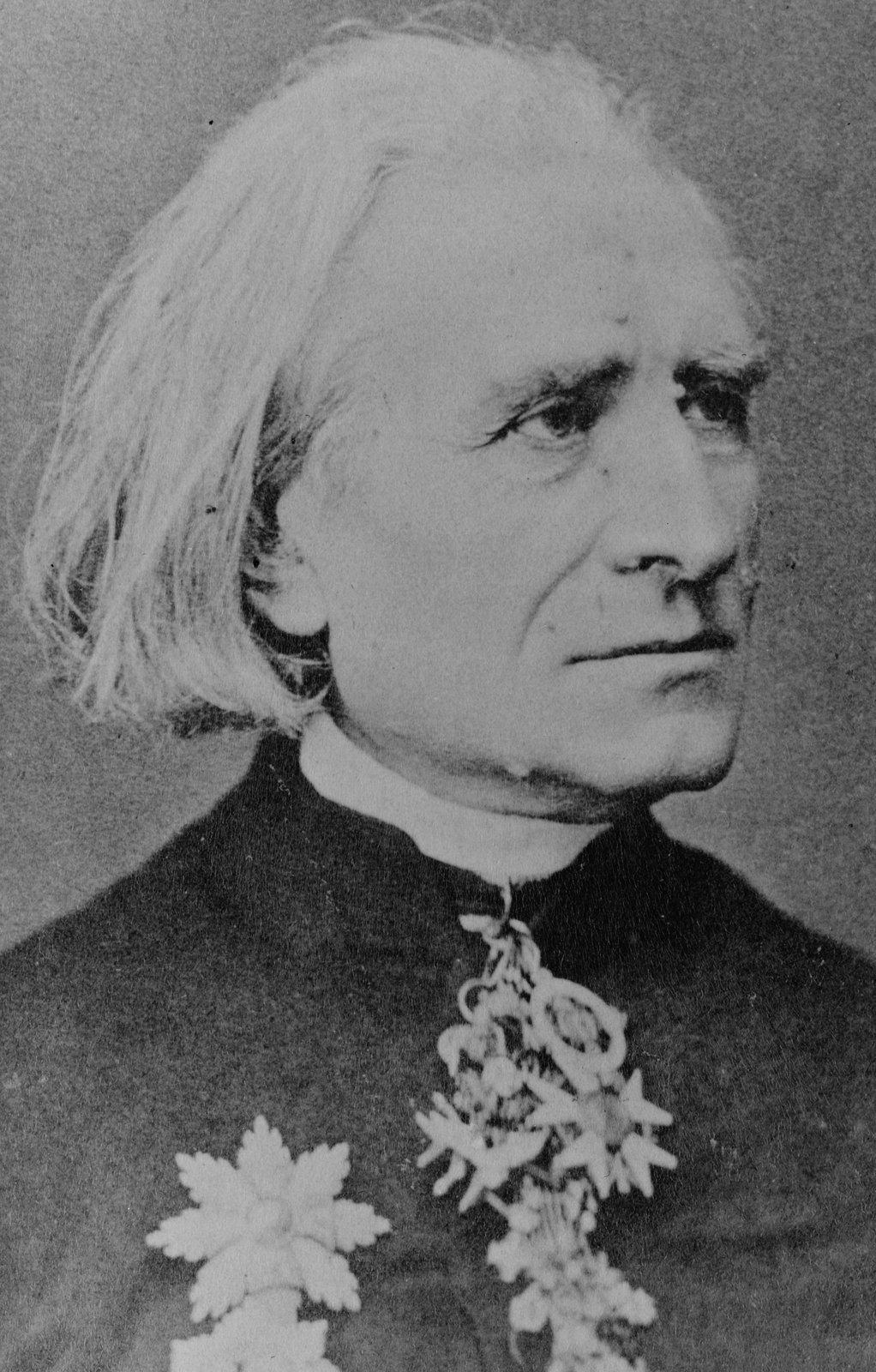

Unknown photographer, 'Franz Liszt', photographic print on carte de visite mount, between 1880 and 1886; Library of Congress Prints and Photographs Division (LC-USZ62-130770), no known restrictions on publication; cropped to the photograph · Library of Congress Prints and Photographs Division, 'Franz Liszt' (carte de visite, no. 1226; LC-USZ62-130770; LCCN 2004680099), via Wikimedia Commons 'Franz Liszt LCCN2004680099.jpg' · Public domain
핵심 특성
주요 업적
리스트는 1830년대 후반부터 피아니스트로 유럽 각지를 순회했으며, 흔히 혼자서 연주회 전체를 이끌었다. 1840년 3월 로베르트 슈만은 리스트가 거의 언제나 다른 연주자의 도움 없이 연주회를 연다고 전하면서, 베버의 〈콘체르트슈튀크〉와 슈베르트의 〈마왕〉 등이 포함된 드레스덴과 라이프치히 연주회를 묘사했다. 1841~42년 베를린 연주회 이후 이어진 대중의 열광은 하인리히 하이네가 '리스토마니아'라고 이름 붙였다.
작곡가로서 리스트는 문학이나 회화에서 따온 표제를 바탕으로 한 단악장 관현악곡인 교향시를 썼으며, 그중 열두 곡을 바이마르에 살던 1848~1858년 사이에 완성했다. 피아노 작품으로는 로베르트 슈만에게 헌정한 피아노 소나타 b단조, 여러 곡의 헝가리 광시곡, 그리고 1852년 자신이 이전 〈여행자의 앨범〉을 철저히 고쳐 다시 만든 것이라고 설명한 〈순례의 해〉가 있다. 평가는 엇갈렸다. 슈만은 1840년에 리스트가 작곡에서 연주만큼의 수준에 이를지 의문을 표했고, 제임스 허네커는 1899년에 b단조 소나타가 흥미롭지만 진정한 소나타 구조는 없다고 보았다.
리스트는 1848년 궁정 악장으로 바이마르에 정착했다. 그곳 궁정극장은 1850년 8월 28일 바그너의 〈로엔그린〉을 초연했는데, 리스트가 이를 준비했고 작품에 관한 상세한 글을 써서 바그너의 말대로 작품이 해외에서 주목받는 데 기여했다. 1852년에는 베를리오즈의 〈벤베누토 첼리니〉를 무대에 올렸다. 리스트는 페터 코르넬리우스의 〈바그다드의 이발사〉 초연 때 적대적인 소란이 일어난 뒤인 1858년에 지휘직을 사임했다.
리스트는 학생들이 차례로 다른 학생들 앞에서 연주하는 집단 수업 방식으로 피아노를 가르쳤다. 미국인 제자 에이미 페이는 1873년 바이마르 수업을 묘사하며 그가 자신을 무료로 가르쳤다고 전했고, 위키백과는 타우지히와 뷜로를 그의 제자로 꼽는다. 1875년 그는 새로 설립된 부다페스트의 헝가리 왕립 음악원 초대 원장으로 지명되었고 이 학교는 그해 11월에 문을 열었다. 그의 편지에 따르면 이 계획은 자신의 구상이 아니었으며, 1876년부터 그는 이곳에서 피아노 수업을 맡았다.
삶의 장면들
1840년 3월, 리스트는 프라하에서 8일 동안 여섯 번 연주한 피로가 가시지 않은 채 드레스덴과 라이프치히에서 연주했다. 슈만의 보고에 따르면 그는 어떤 자선 기관을 위해서든 곧바로 연주회를 열겠다고 말했고, 드레스덴에서는 가난한 이들을 위해, 이어 라이프치히에서는 연로하거나 병든 음악가를 위한 연금 기금을 위해 연주했으며, 멘델스존, 힐러, 슈만 자신의 작품을 골라 거의 초견으로 연주했다.
곧바로 자선 연주회를 제안하고 피곤한 가운데에도 동료들의 음악을 연주 곡목으로 택한 점은 사회적 기여를 중시하는 동기와 부합한다. 슈만은 그 때문에 그가 눈에 띄게 힘들어했다는 점도 함께 적는다. 영향 창출 동기
1873년 6월 제자 에이미 페이는 바이마르 수업에서 리스트가 한 번 화를 내는 모습을 보았다. 슈투트가르트에서 온 학생이 베토벤의 〈열정〉 소나타를 연주하다 리듬에서 실수를 하자 리스트는 그에게 소리를 높이며 음악원과 교사들 전반에 대한 장광설을 늘어놓았다. 그러고는 곧 그 분노는 학생에게 향한 것이 아니라고 말하고 계속 연주하라고 했다.
전환점
바이마르 궁정 악장이던 리스트는 연주 곡목을 궁정 극장 총감독에게 제출해야 했다. 1857년 프란츠 폰 딩엘슈테트가 그 자리에 오르며 음악 공연을 줄이자, 1858년 페터 코르넬리우스의 〈바그다드의 이발사〉 초연에서 일어난 적대적인 소란 끝에 리스트는 극장 지휘직에서 물러났다. 1860년 12월 그는 바이마르에서 바그너의 〈리엔치〉 리허설은 지휘하겠지만 공연 지휘는 거부한다고 썼다.
비슷한 인물
전체적인 프로필이 이 사람과 닮은 사람들이에요.


공자

말랄라 유사프자이

제인 구달

왕가리 마타이

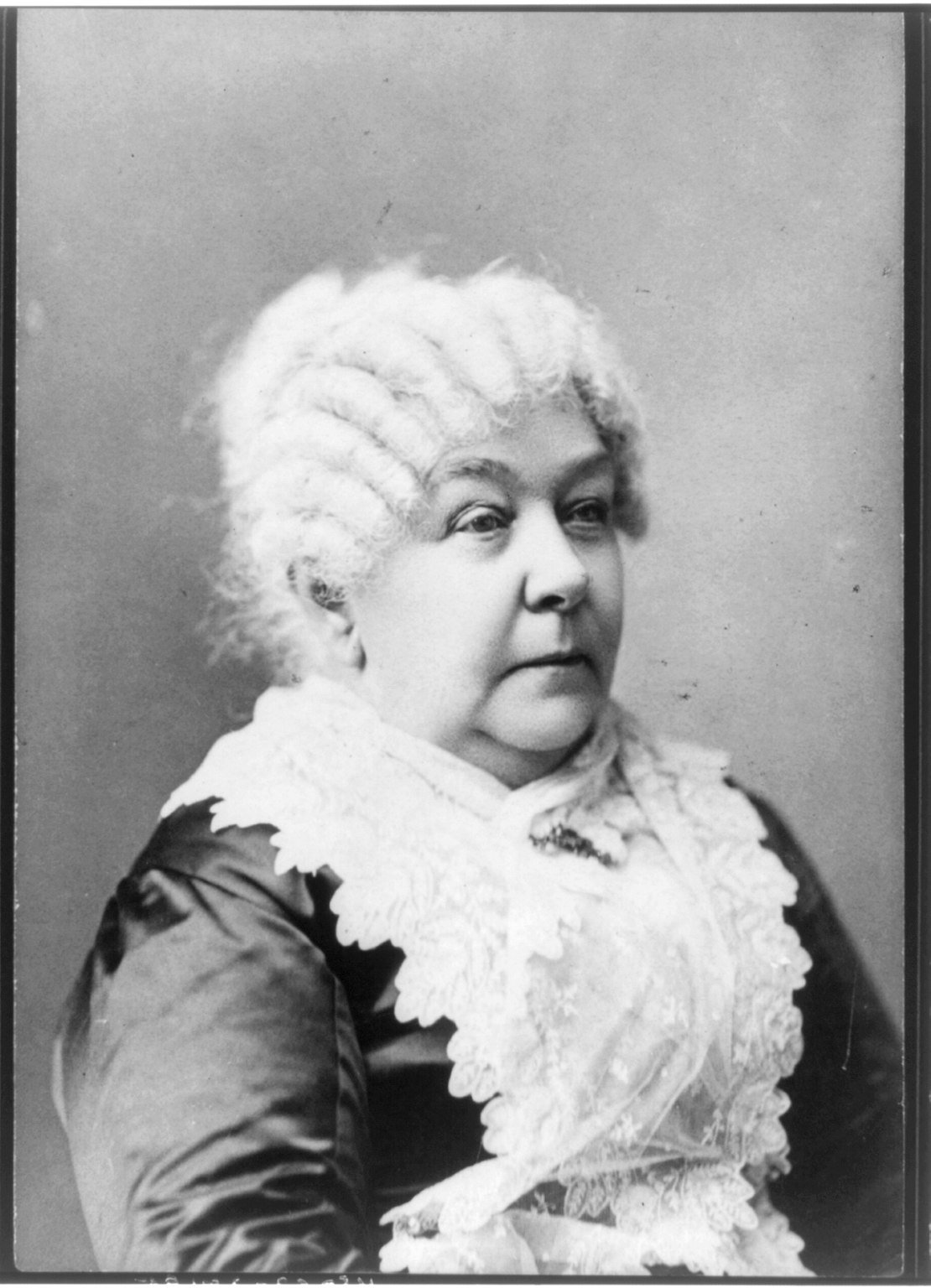
엘리자베스 케이디 스탠턴
출처
- Franz Liszt (Q41309) -- verified live via wbgetentities (2026-10-10): en label 'Franz Liszt', description 'Hungarian romantic composer and virtuoso pianist (1811-1886)', P569 22 Oct 1811, P570 31 Jul 1886, ko label '프란츠 리스트', P18 'FLisztFXD.jpg'. Orientation only; not used as support for any row.
- Franz Liszt -- Wikipedia article (raw wikitext read), orientation only; used to locate the standard accounts (Grove, Walker) and for uncontested dates in Achievement text, not as support for any scored row.
- Amy Fay, Music-Study in Germany, from the home correspondence of Amy Fay (Chicago: Jansen, McClurg, 1881; 1883 printing), Internet Archive full text (musicstudyingerm1883faya) -- first-hand PUPIL letters written at the time from Weimar, May-July 1873, to her family: Chapters XVIII-XX read in full (Liszt's lessons, his playing and teaching, his temper, his reaction to pupils). Warmly admiring in tone but unusually specific; also records his cruelty and temper. Read locally.
- Lina Ramann, Franz Liszt: Artist and Man, vol. II, translated by E. Cowdery (London: W. H. Allen, 1882), Internet Archive full text (franzlisztartist02rama) -- CONTEMPORARY, ADMIRING authorised biography written with Liszt's cooperation; this volume covers 1811-1840 (Paris years, Geneva, the 1839-40 tours). Read locally: the passages on benefit concerts (Paris, Geneva, the 1838 Pest flood concerts in Vienna and Pest), the Geneva period and the concert tours. Hagiographic and sentimental; used only for dated, concrete actions.
- Robert Schumann, 'Franz Liszt' reviews from the Neue Zeitschrift fuer Musik, 1840 (Dresden and Leipzig concerts) and his 1830s-40s reviews of Liszt's studies, in Music and Musicians: Essays and Criticisms, translated by F. R. Ritter (London: Reeves, 1877-80), Internet Archive full text (musicmusicianses00schu_0) -- CONTEMPORARY CRITIC AND FELLOW COMPOSER, enthusiastic about the performer, openly doubtful that Liszt had become a composer of equal rank. Read locally: the Dresden/Leipzig concert notices (Mendelssohn's Bach concerto evening, Weber Concertstueck, benefit concerts, playing Schumann's and Hiller's music almost at sight) and the studies review (virtuoso eclipsing composer).
- Henry F. Chorley, Modern German Music: Recollections and Criticisms (London: Smith, Elder, 1854), Internet Archive full text (moderngermanmusi01choruoft) -- HOSTILE, BRITISH critic, strongly against Wagner's music and system; read for the passages where he mentions Liszt at Weimar (the 'rehabilitation' of Tannhaeuser; Liszt's 'generous heart' and 'enthusiastic paradox') and Liszt's playing. Used as a deliberately unsympathetic outside voice.
- Richard Wagner, My Life (authorised translation, London: Constable, 1911), Internet Archive full text (mylifeauthorized01wagn, mylifeauthorized02wagn) -- SELF-SERVING MEMOIR of the main beneficiary of Liszt's Weimar work, with a rival's and debtor's perspective; read locally: the Paris and Berlin meetings with Liszt (1840-41), the 1849 Weimar Tannhaeuser rehearsal, Liszt's writings and Lohengrin production (1850-51), the 1853 quarrel episode with Karl Ritter at Zurich. Written decades later; used with care.
- Letters of Franz Liszt, vol. I (Paris to Rome) and vol. II (Rome to Weimar), collected and edited by La Mara, translated by Constance Bache (London: H. Grevel; New York: Scribner, 1894), Internet Archive full texts (lettersfranzlis00bachgoog, lettersoffranzli020960mbp) -- SELF SOURCE (his own letters, published in translation with the editor's notes, which are La Mara's, not Liszt's). Read locally: the 1839 Beethoven monument offer, the 1849-1859 Weimar letters (Lohengrin, Benvenuto Cellini, Berlioz, workload), the editor's note on the 1858-60 resignation, and the 1874-1881 Budapest Academy of Music letters. Never the sole support for a row.
- Correspondence of Wagner and Liszt, translated by Francis Hueffer, revised by W. Ashton Ellis (London: Grevel, 1897), Internet Archive full text (correspondencew00elligoog) -- both parties' letters, 1841-1861; read for Liszt's 1850-53 Weimar letters to Wagner (Lohengrin cast and the Haertel payment for Lohengrin numbers) and Wagner's requests for money and help. Self sources on both sides.
- Hector Berlioz: Selections from his Letters, and Aesthetic, Humorous, and Satirical Writings, translated by W. F. Apthorp (New York: Holt, 1879), Internet Archive full text (cu31924022328409) -- Berlioz's own travel letters and memoir extracts mentioning Liszt (support at the 1830 Conservatoire performance, the Prague banquet speech, the Weimar welcome). Partly a friend's and beneficiary's view; read only for the passages that name Liszt.
- James Huneker, Mezzotints in Modern Music: Brahms, Tschaikowsky, Chopin, Richard Strauss, Liszt and Wagner (New York: Scribner, 1899), Internet Archive full text (mezzotintsinmode00hune) -- Late-century American critic's essays, including the Liszt essays and 'A Liszt Etude'; a mixed, sometimes sceptical assessment of Liszt's piano works (e.g. the B minor sonata) and of the Liszt legend. Read locally for the assessment of the B minor sonata and Liszt's influence on later pianism.