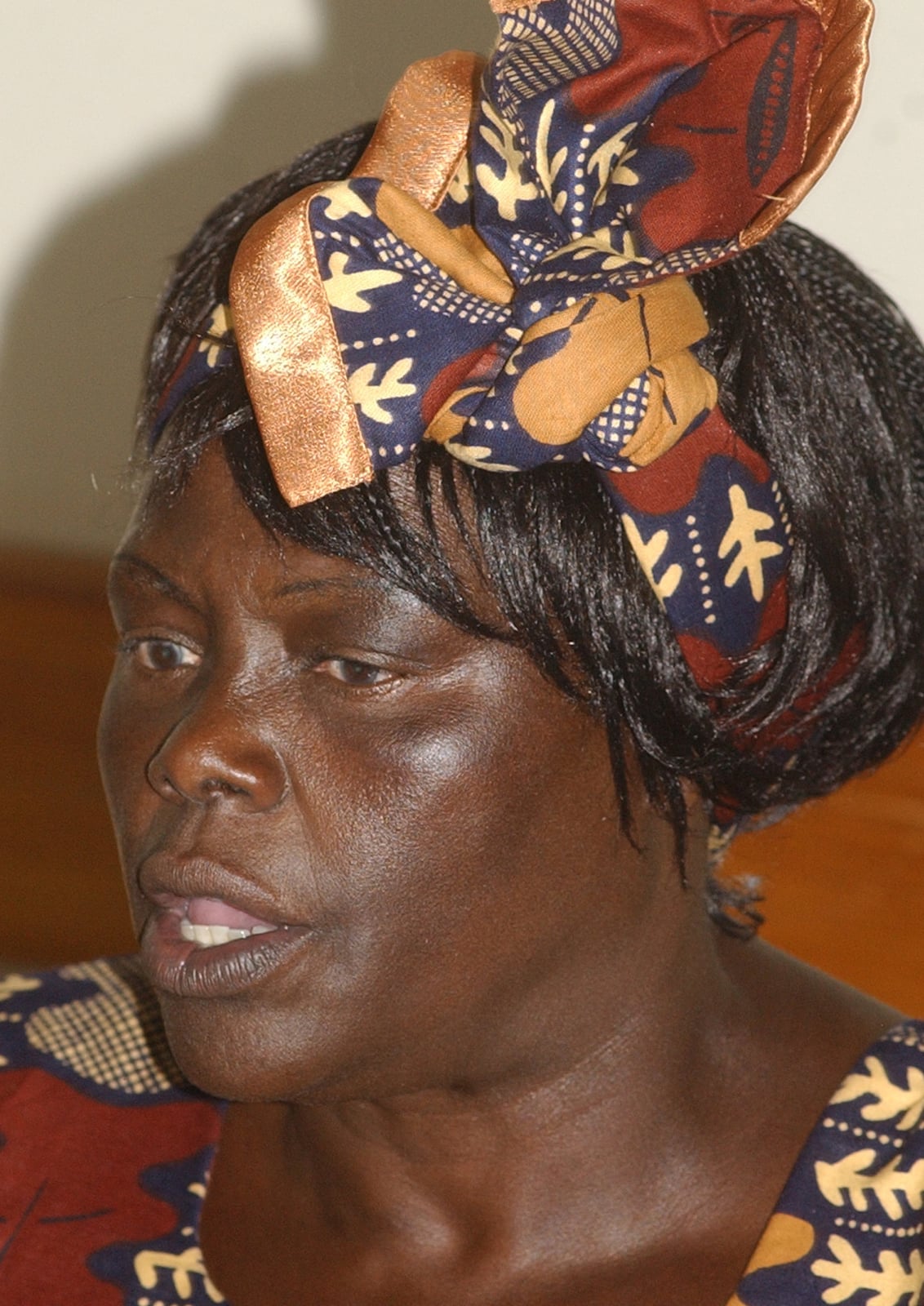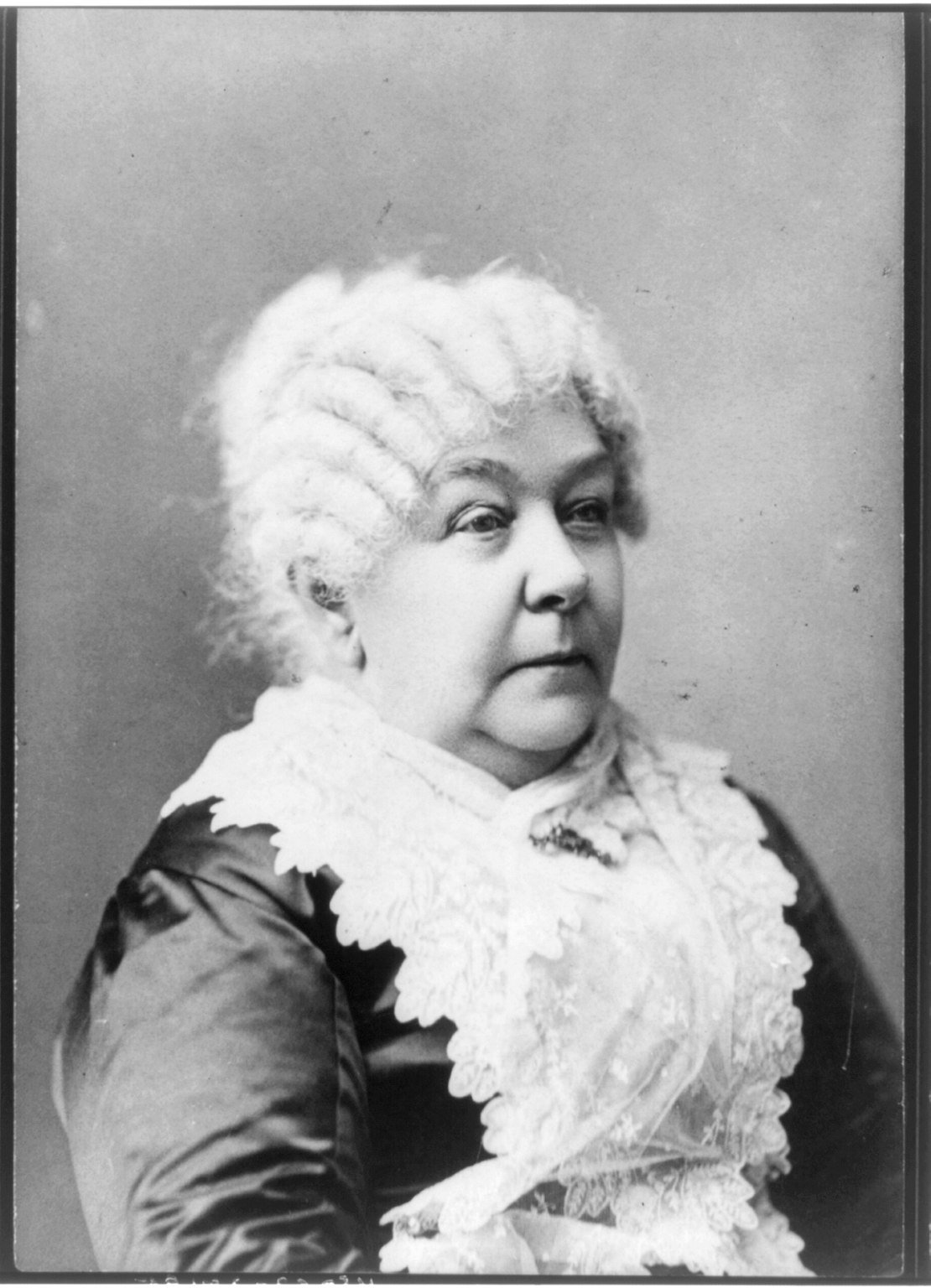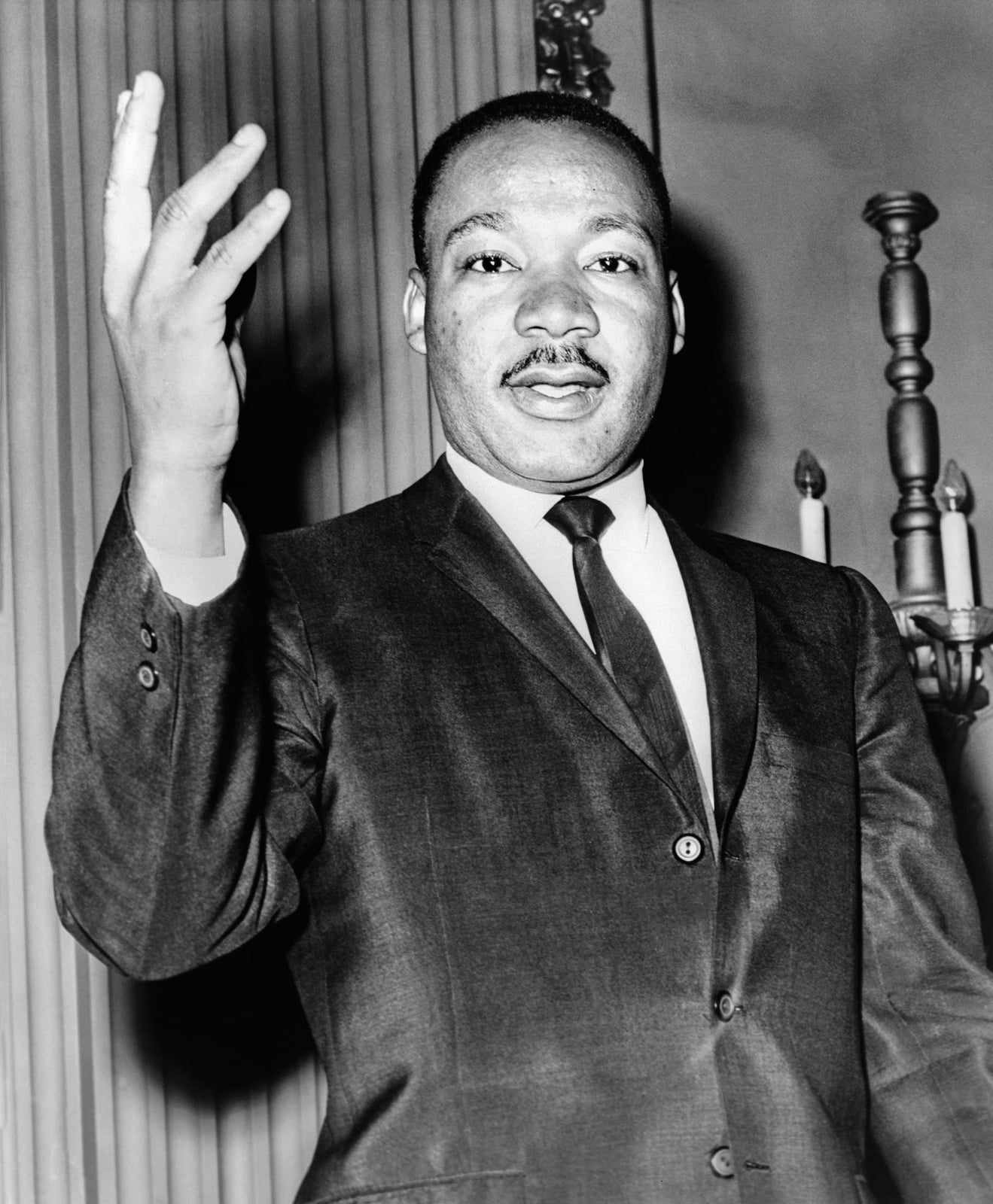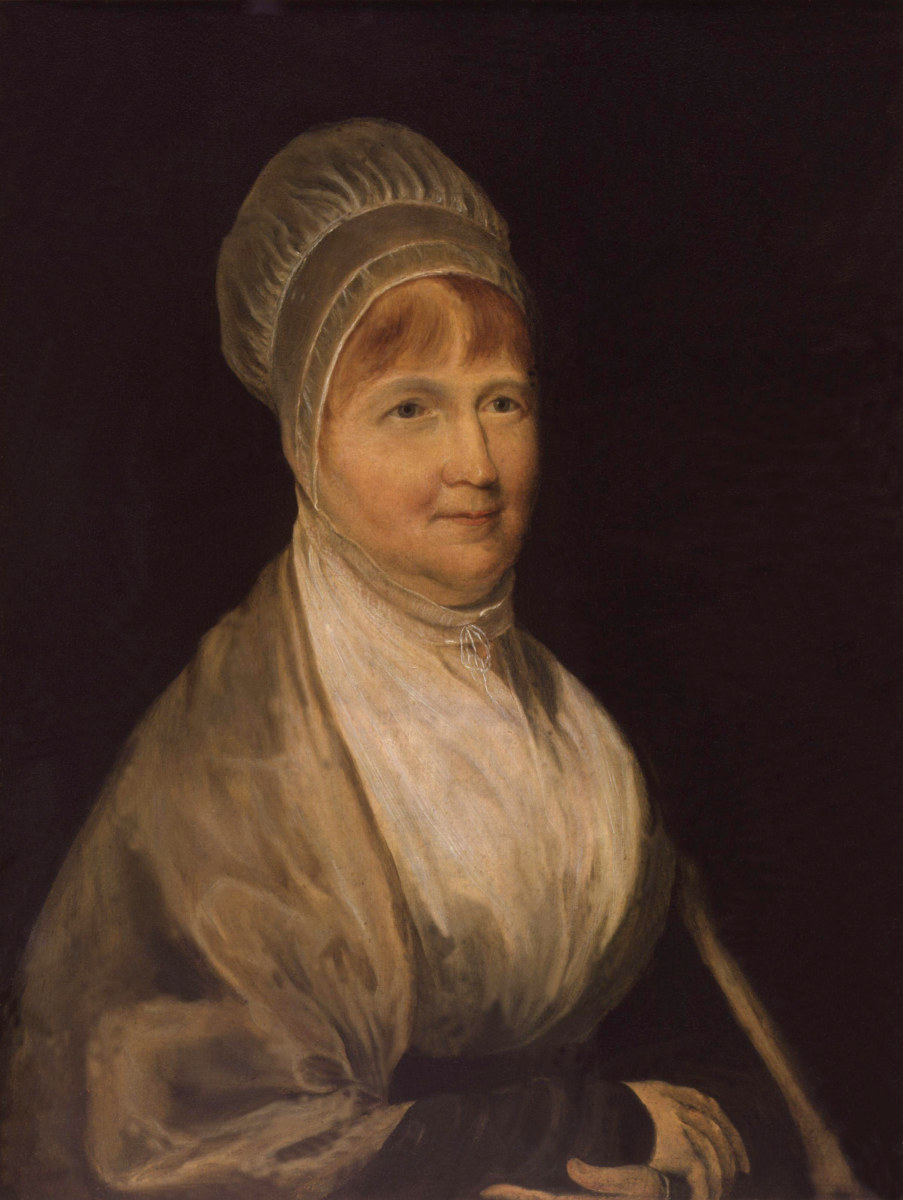

After Charles Robert Leslie, National Portrait Gallery, London, NPG 898 · Oil-on-panel portrait of Elizabeth Fry in the National Portrait Gallery, London (NPG 898), catalogued as after Charles Robert Leslie (1794-1859); a later copy of Leslie's painting of about 1823, which the NPG catalogue (reached only through a search summary, since the NPG site blocks automated fetching) links to a March 1823 diary entry of Fry about a portrait commission. The Commons file page records the NPG source and tags the photographic reproduction as public domain because the painter died before 1939. Original image 2400 x 3188 pixels, downscaled to 903 x 1200; no upscaling. Shown as a historical depiction (a copy after the original painting), not a photograph of the sitter. · Public domain (two-dimensional artwork; painter died 1859)
활동가 · 19세기
엘리자베스 프라이
1780–1845
주요 업적 분야
아직 성격 매칭에 포함되지 않았습니다 — 기록된 근거가 성격 모델 전체를 다루기에는 충분하지 않습니다. 이 페이지의 다른 모든 내용은 자유롭게 확인하실 수 있습니다.
핵심 특성
주요 업적
1817년 그녀는 뉴게이트 감옥의 여성 수감자들의 환경을 개선하기 위해 퀘이커 여성들의 협회를 세우고, 아이들을 위한 학교와 여성들을 위한 작업장을 열었다.
1818년 그녀는 하원 위원회에서 증언하며 여성이 관리하는 여성 전용 감옥과 수감자의 유익한 노동을 주장했고, 위원회 보고서는 그녀가 뉴게이트에서 이룬 변화를 인정했다.
그녀의 여성 위원회는 영국 전역으로 퍼졌고 1838~43년 프랑스, 독일, 네덜란드 순회로 감옥 개혁을 알렸으나, 에든버러 리뷰 같은 비판자들은 그녀의 방식으로는 범죄를 막을 수 없다고 주장했다.
삶의 장면들
1817년 전국적인 개혁 단체는 너무 느리다고 판단한 그녀는 뉴게이트로 돌아가 수감된 아이들을 위한 학교를, 이어 여성들을 위한 작업장을 세웠다.
이는 더 넓은 개혁을 기다리기보다 스스로 실질적인 일을 시작하는 태도와 부합한다. 선제적 행동력
1817년 그녀는 감옥의 목적에 관한 메모를 작성해 여성 분리, 규칙적인 노동, 청결, 여성 관리인과 선행에 대한 보상을 열거하면서도, 잘 운영되는 감옥을 아는 사람들에게 더 자문해야 한다고 적었다.
이는 계획을 세우면서도 더 많은 정보가 필요함을 인정하는 태도와 부합한다. 계획 지향
전환점
1817년 뉴게이트의 학교와 작업장을 세우면서 그녀는 혼자 하던 일에서 여성 위원회를 조직하는 일로 나아갔고, 이후 개혁을 하나의 운동의 일로 보게 되었다.
이는 개인적 자선에서 집단적 조직 활동으로 옮겨 간 것과 부합하지만, 처음에는 주도권을 나누는 데 주저했다. 협업 성향
비슷한 인물
전체적인 프로필이 이 사람과 닮은 사람들이에요.


넬슨 만델라

왕가리 마타이

엘리자베스 케이디 스탠턴

마틴 루터 킹 주니어

수전 B. 앤서니
출처
- Elizabeth Fry (Q271477), verified live via the Wikidata API (2026-10-26): label 'Elizabeth Fry', description 'social reformer from England (1780-1845)', born 1780-05-21, died 1845-10-12; no Korean label. Orientation only; not used as support for any row.
- Library of the Society of Friends (Quakers in Britain), 'Elizabeth Fry' subject guide (2023), read in full. CANONICAL SIGNIFICANCE SOURCE: a short institutional timeline: first Newgate visit in 1813, the 1817 association for female prisoners, evidence to the House of Commons in 1818, the British Ladies' Society (1821), the 1823 Gaol Act described as largely ineffective, later evidence to a House of Lords committee, a training school for nurses (1840), and a list of her own works and archives. Institutional and brief; no behavioural detail beyond dates, and its 1835 attribution to the House of Lords differs from other accounts.
- Bank of England Museum, 'Historical women on banknotes' page on Elizabeth Fry, read: summarises her Newgate work after 1813 (needlework and knitting for women, schools for children, ladies' committees), night shelters, support for abolition and a school for nurses, and the banknote portrait. Institutional and celebratory; it does not say why she was chosen.
- 'Fry, Elizabeth (1780-1845)', Women in World History: A Biographical Encyclopedia (Gale, via Encyclopedia.com), read in full: the school and sewing work for women at Newgate, the Ladies' Newgate Committee and its conditions for prisoners (stop drinking, attend Bible reading), her 1818 evidence to a House of Commons committee (women's prisons staffed by women, useful employment), her 1827 'Observations', the spread of committees through England, Scotland and Ireland, tours of France, Germany and Holland 1838-43, a nurse training home in 1840, and her admission that she was 'not without critics among people in authority'. General reference account, admiring, with some date differences against other sources. Its passages on her childhood, health, marriage and family were read but not used.
- Deanna Lynn Matheuszik, 'The angel paradox: Elizabeth Fry and the role of gender and religion in nineteenth-century Britain' (PhD dissertation, Vanderbilt University, 2013), downloaded and read in the chapters on the Newgate workshop and Association, her 1818 testimony and the report that followed, the failed 1818 pardon campaign for a woman convicted of forging a banknote, transportation work, contemporary critics (the Edinburgh Review, H. G. Bennet, Lord Sidmouth) and criticism by Quakers of a late banquet; not every chapter was read. Detailed scholarly study that quotes her journals, letters and the parliamentary report, and is critical of how Victorian biographers recast her. Independent of the Gale and institutional accounts. Its sections on her childhood, religious crises, health and family were read but are not scored.
- S. E. Lowe, review of John Kent's 'Elizabeth Fry' (Batsford), Prison Service Journal, c. 1962, read in full from a poor-quality scan (about 670 words): summarises Kent's chapters (The Newgate Experiment; A Public Figure; The Rejected Reformer), her belief that Bible reading could change the women's characters, and criticism she received within the Society of Friends for time spent in public work. Short secondhand summary; used only as a corroborating note, and the Kent book was not opened.
- Wikimedia Commons file page 'Elizabeth Fry by Charles Robert Leslie.jpg' (National Portrait Gallery, London, NPG 898, a copy after Leslie's painting of about 1823) and a search summary of the NPG catalogue entry, checked for the portrait only.