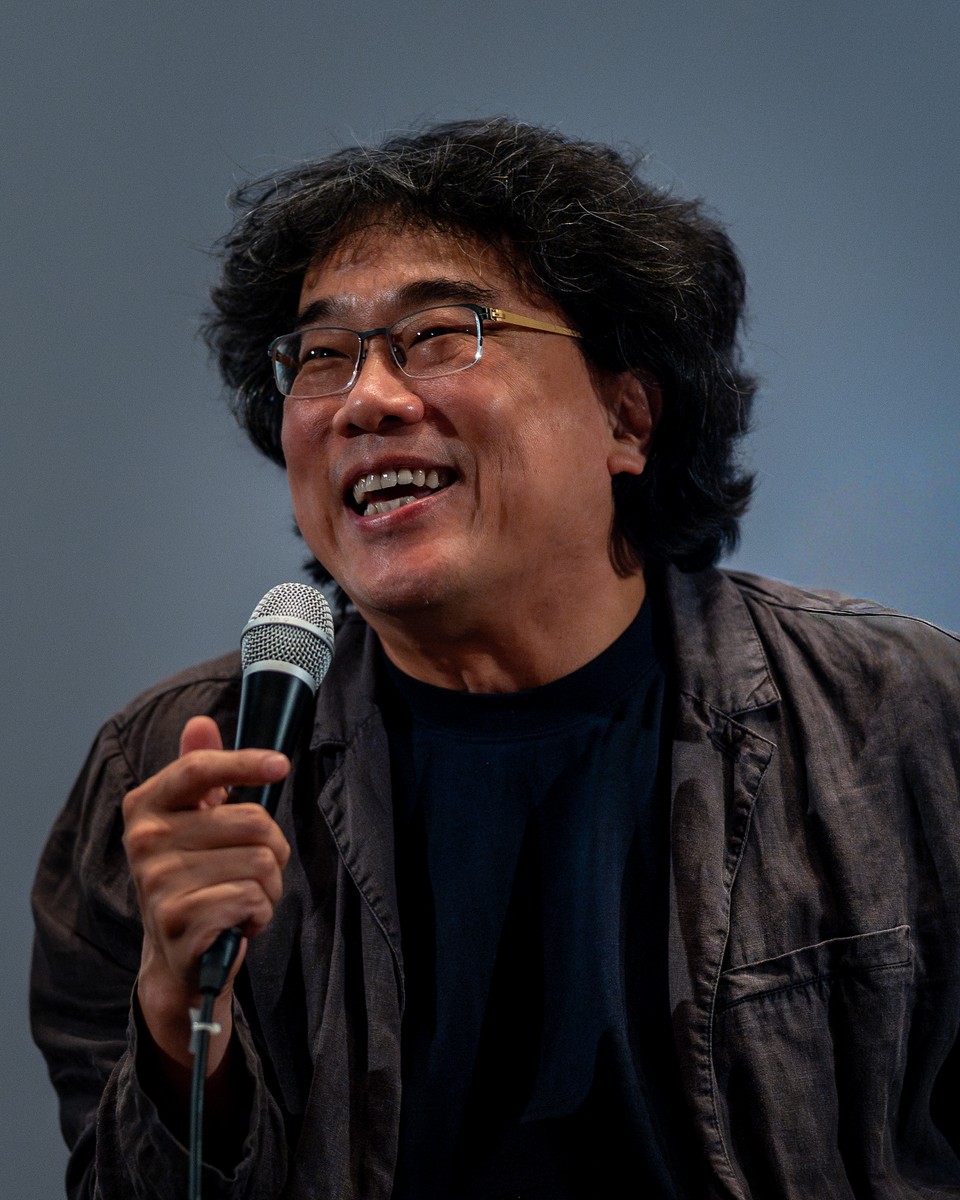

Photo: Jay Dixit, 23 September 2025, CC BY-SA 4.0, cropped and downscaled from the original · Wikimedia Commons, 'Bong Joon Ho at the Busan Film Festival in 2025.jpg' -- photograph by Jay Dixit, 'Own work' uploaded by the photographer on 23 September 2025 (recorded capture time 23 September 2025, 09:11) with the description 'Bong Joon Ho at the Busan Film Festival in 2025' and the categories Bong Joon-ho and 'WikiPortraits at 2025 Busan International Film Festival'; published by the photographer under CC BY-SA 4.0 (licence template naming his own work) with no restriction template. Original 2400 x 3000 pixels; a 1760 x 2200 region around his head and shoulders was cropped from it and downscaled once to 960 x 1200 (never upscaled). · CC BY-SA 4.0
영화감독 · 현대
봉준호
b. 1969
주요 업적 분야
아직 성격 매칭에 포함되지 않았습니다 — 기록된 근거가 성격 모델 전체를 다루기에는 충분하지 않습니다. 이 페이지의 다른 모든 내용은 자유롭게 확인하실 수 있습니다.
핵심 특성
주요 업적
『기생충』(2019)은 칸 영화제 황금종려상을 받았고, 브리태니커에 따르면 외국어 영화로는 처음으로 아카데미 작품상을 받았다. 2020년 시상식에서 이 영화는 작품상(제작자 곽신애와 봉준호), 감독상(봉준호), 각본상(봉준호와 한진원), 국제영화상(대한민국) 등 네 개 부문을 받았다.
1980년대 중반의 실제 미제 살인 사건을 다룬 연극을 바탕으로 한 『살인의 추억』(2003)은 크게 흥행했고 국내 여러 영화상을 받았다. 한강에 나타난 괴물을 그린 『괴물』(2006)은 브리태니커에 따르면 한국 박스오피스 기록을 세웠고 칸 영화제에서 호평을 받았다.
그는 프랑스 그래픽 노블을 원작으로 한 영어 영화 『설국열차』(2013)로 영어권 영화에 발을 들였다. 브리태니커는 이 영화가 폭넓은 국제 관객과 평단의 호평을 얻었다고 쓴다. 『옥자』(2017)는 칸 영화제에서 상영되며 최고상을 두고 경쟁했고, 『미키 17』(2025)은 그의 세 번째 영어 장편이다.
삶의 장면들
프로덕션 디자이너 이하준은 디진(Dezeen)에서 봉준호가 『기생충』 각본을 쓰며 그려 둔 간단한 평면도를 보여 주었고, 건축 양식은 자신에게 맡기되 앞마당만은 꼭 있어야 한다고 강조했다고 말했다. 이하준은 봉준호의 각본이 장면 속 모든 배우의 움직임을 적어 두기 때문에 설계에서 동선(블로킹)이 우선이었고, 주방에서 지하 벙커로 내려가는 구간은 배우들의 숨결을 담기 위해 끊지 않고 찍고 싶다는 감독의 뜻에 따라 하나의 세트로 지었다고 설명했다.
촬영에 들어가기 전에 영화의 공간과 카메라 움직임을 미리 설계하는 태도와 일치한다. 계획 지향
공동 각본가 한진원은 AnOther와의 인터뷰에서, 『설국열차』의 제작부 스태프였던 자신에게 『옥자』를 찍던 봉준호가 쓰다 만 트리트먼트를 건네며 처음에는 석 달 동안 조사해 달라고 했다고 말했다. 한진원은 가사도우미, 과외 교사, 운전기사를 만나 이야기를 들었고, 봉준호의 피드백을 반영해 이야기를 세 가지 버전으로 썼으며, 『옥자』 이후 두 사람이 각본의 후반부를 함께 마무리했다. 그는 봉준호가 자신에게 선생님 같은 사람이었다고 표현했다.
경험이 적은 협업자에게 실질적인 창작 작업을 맡기고 피드백으로 이끌어 가는 태도와 일치한다. 협업 성향
전환점
브리태니커에 따르면 봉준호의 첫 장편 『플란다스의 개』(2000)는 호평을 받았지만 크게 주목받지는 못했다. 다음 작품 『살인의 추억』(2003)은 큰 흥행을 거두었다. 센스 오브 시네마는 봉준호가 송강호의 출연이 이 영화의 제작비 마련에 도움이 되었다고 말한 것으로 전하며, 『기생충』을 두 사람이 함께한 네 번째 영화로 꼽는다.
믿을 수 있는 협업자를 중심으로 작품을 꾸려 가는 태도와 일치한다. 협업 성향
비슷한 인물
전체적인 프로필이 이 사람과 닮은 사람들이에요.


윌버 라이트

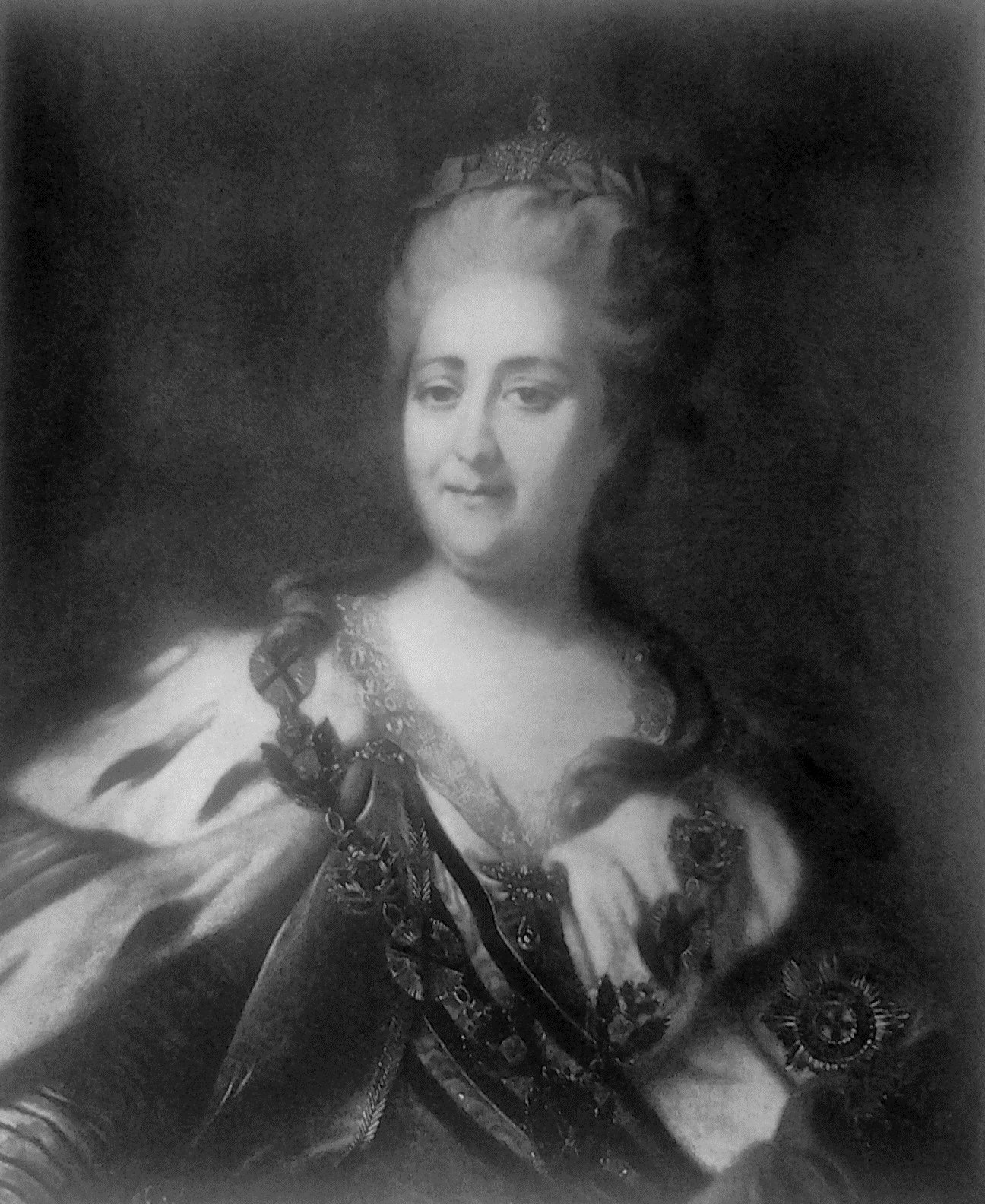
소르 후아나 이네스 데 라 크루스

루스 베이더 긴즈버그

오토 폰 비스마르크

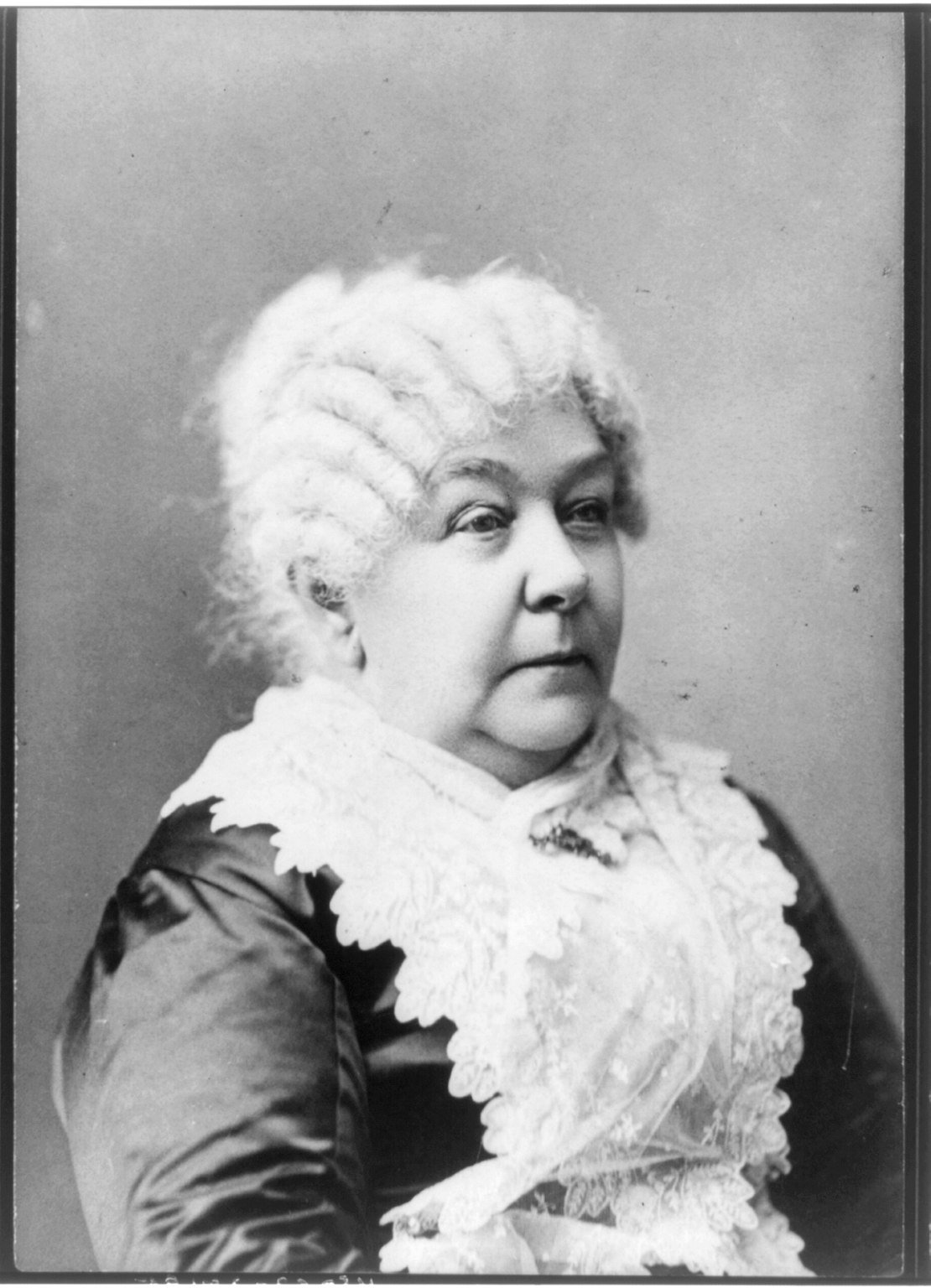
엘리자베스 케이디 스탠턴
출처
- Bong Joon-ho (Q495980) -- verified live via the Wikidata API (2026-10-16): English label 'Bong Joon-ho', description 'South Korean filmmaker (born 1969)', born 14 September 1969, no date of death, citizenship South Korea, Korean label present, English alias 'Bong Joon Ho'. Orientation only; not used as support for any row.
- Encyclopaedia Britannica, 'Bong Joon-Ho' (article by Patricia Bauer, fact-checked by Britannica's editors; page last updated 31 August 2026) -- encyclopaedia biography read in full except for the page's AI-generated answer boxes, which were not used: a South Korean filmmaker known for meticulous directing, social critique, genre blending and quick tonal shifts, many of whose films he also co-wrote; Barking Dogs Never Bite (2000) with positive reviews but little notice; Memories of Murder (2003), a major hit based on a play about real unsolved murders; a 2004 short mockumentary shot entirely on closed-circuit security cameras; The Host (2006), which set box-office records in South Korea and was praised at Cannes; Mother (2009); Snowpiercer (2013), an English-language film that won large international audiences as well as critical praise; Okja (2017), which opened at Cannes where it competed for the top award; Parasite (2019), which won the Palme d'Or and became the first foreign-language film to receive the Best Picture Oscar, with Oscars for Bong's directing and co-writing and for best international feature; and Mickey 17 (2025) as his third English-language feature. CANONICAL SIGNIFICANCE SOURCE (encyclopaedic assessment of his primary contribution; factual but honouring in tone, used for the achievement cards and orientation and never alone for a behavioural row). The passages on his family, student cartoons and military service were not used.
- Academy of Motion Picture Arts and Sciences, '92nd Academy Awards | 2020' ceremony page (oscars.org) -- the Academy's own winners record: Parasite won four awards on 9 February 2020 at the Dolby Theatre: Best Picture (producers Kwak Sin Ae and Bong Joon Ho), Directing (Bong Joon Ho), Writing (Original Screenplay) (Bong Joon Ho and Han Jin Won for the screenplay, Bong Joon Ho for the story) and International Feature Film (South Korea). Institutional record of the result only; no trait row rests on it. NOTE: read through the harness's web-extraction tool, which returns summaries and short excerpts; the facts used are plain credits that also match Britannica.
- Bridget Goldberg, 'Parasite house designed from simple floor plan sketched by Bong Joon-Ho', Dezeen, 16 April 2020 -- question-and-answer interview with Parasite's production designer Lee Ha Jun (questions by Bridget Cogley): Bong showed him a simple floor plan he had sketched while writing the script and left the architectural style to him, stressing that the front garden was essential; Bong's script is always meticulous and precise and describes the movements of every actor, so blocking was the key factor; the window wall was built in the 2.35:1 ratio; the furniture was made with Korean furniture designers from the concept stage to suit the director's intention and recognisable brands were avoided; and the descent from the kitchen to the underground bunker was built as one set because Bong wanted to film it without stopping so the actors' breathing could be captured. First-hand collaborator's account, admiring but specific; the passages on architectural inspirations and on the semi-basement set were skimmed and not used. Read in full.
- Nandana Bose, 'Cinematic Comrades: Bong Joon-ho's Auteurism and Song Kang-ho's Performance', Senses of Cinema, issue 98 (May 2021) -- film-journal feature on the Bong and Song Kang-ho partnership across Memories of Murder, The Host, Snowpiercer and Parasite: Bong writes with Song in mind and becomes bolder as a writer, Song tends to agree to his projects without reading the script, and Bong's detailed storyboards, which he closely follows, serve the technical crew he controls 'quite fastidiously' while he gives actors freedom (no coverage, little talking on set, few rehearsals); Bong's remark that Song's joining Memories of Murder helped finance it is also reported. Independent critical analysis, admiring in tone and drawing largely on Bong's own published interviews (self) and on other critics; the sections on Song's acting technique and early career were not used. Read the passages on Bong's method and the collaboration in full.
- Hoai-Tran Bui, '7 Things We Learned From The Parasite Storyboards Graphic Novel', /Film (Slashfilm), 19 May 2020 -- press preview of the book 'Parasite: A Graphic Novel in Storyboards' (with a foreword by Bong): says Bong storyboards all of his films before shooting, that Okja actor Steven Yeun described receiving the storyboards as fully bound books like manga, that the storyboards draw out how stunts will play and what the camera set-up will be, that three alternate endings are drawn, and that the writer ties the film's tight 77-day schedule to the storyboards. A press preview that promotes the book, so admiring and dependent on the book's own contents; the passages on deleted jokes and K-pop references were not used. Read in full.
- 'Parasite Screenwriter Han Jin Won: This Could Be Our Story', AnOther magazine, 5 February 2020 (author not shown in the page text) -- profile of co-writer Han Jin Won: a production assistant on Snowpiercer, he was handed a half-finished treatment by Bong while Bong was shooting Okja, was asked to research for what began as three months, interviewed housekeepers, tutors and chauffeurs and visited semi-basements, wrote three versions of the story shaped by Bong's feedback, and after Okja finished the second half of the script with him in a short burst; he calls Bong like a teacher to him. Collaborator's account, admiring; the passages on his reaction to the credit and on the film's themes were not used. Read in full.
- Tomris Laffly, 'Bong Joon-ho on the Themes and Crafts of His Must-See Film, Parasite', RogerEbert.com, 14 October 2019 -- trade-press interview with Bong (self): the rich house, the poor house and the neighbourhoods were all designed and built as sets with movement and blocking as the priority; the living-room window wall was built in the CinemaScope ratio on purpose; the family's cheap beer later becomes an expensive one, a detail Korean audiences caught; and he says he does not rehearse emotion but does rehearse technical movements and just shoots the rehearsals. Bong's own account (self), relayed by a critic; the passages on class, recipes and the awards campaign were not used. Read in full.
- Awards Daily, 'Interview: Song Kang Ho and Park So Dam On Parasite and Becoming A Family', October 2019 (URL dated 25 October 2019) -- short Q&A with two of the film's actors (the interviewer counts four films together): Song says he and Bong began working together over twenty years ago and are now friends, that Bong's storyboards make life easier for both cast and crew, and that the ensemble spent a lot of time together; Park So Dam describes reading the script and the cast's closeness. Actors' accounts, admiring and brief; the passages on Park's casting and on the flooded-apartment scene were not used. Read in full.
- Sam C. Mac, 'Cannes Film Festival 2017: Bong Joon-ho's Okja', Slant Magazine, 19 May 2017 -- independent critic's review: credits Bong with proven ability to unite varied tonal ambitions with razor-sharp satire and impeccable craftsmanship, but finds Okja jarringly disorganized and rudderless for much of its running time, partly derivative of his earlier set pieces and tonally dissonant (especially in the English-language comedy scenes), and suggests that the sarcastic humor of his best films does not translate as well. Critical counter-voice on the cost of his genre-blending approach in one film; the plot summary and the passages on the supporting cast were not used. Read in full.
- Wikimedia Commons file page 'Bong Joon Ho at the Busan Film Festival in 2025.jpg' -- checked for the portrait's licence: photograph by Jay Dixit, 'Own work' uploaded by the photographer on 23 September 2025 under CC BY-SA 4.0 (licence template naming the uploader's own work), with the recorded capture time 23 September 2025 and the category 'WikiPortraits at 2025 Busan International Film Festival'; no restriction template. Not used for any scoring.