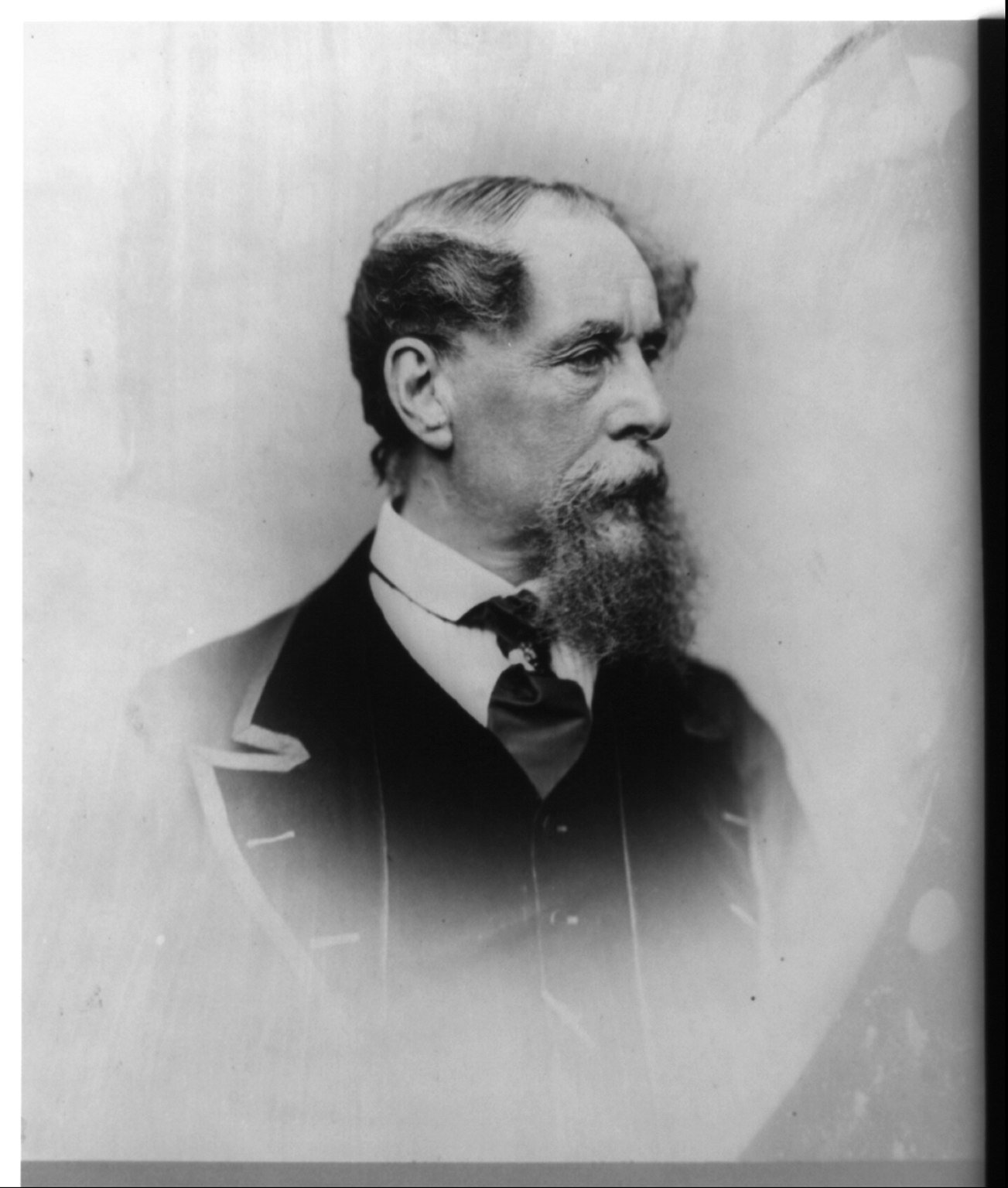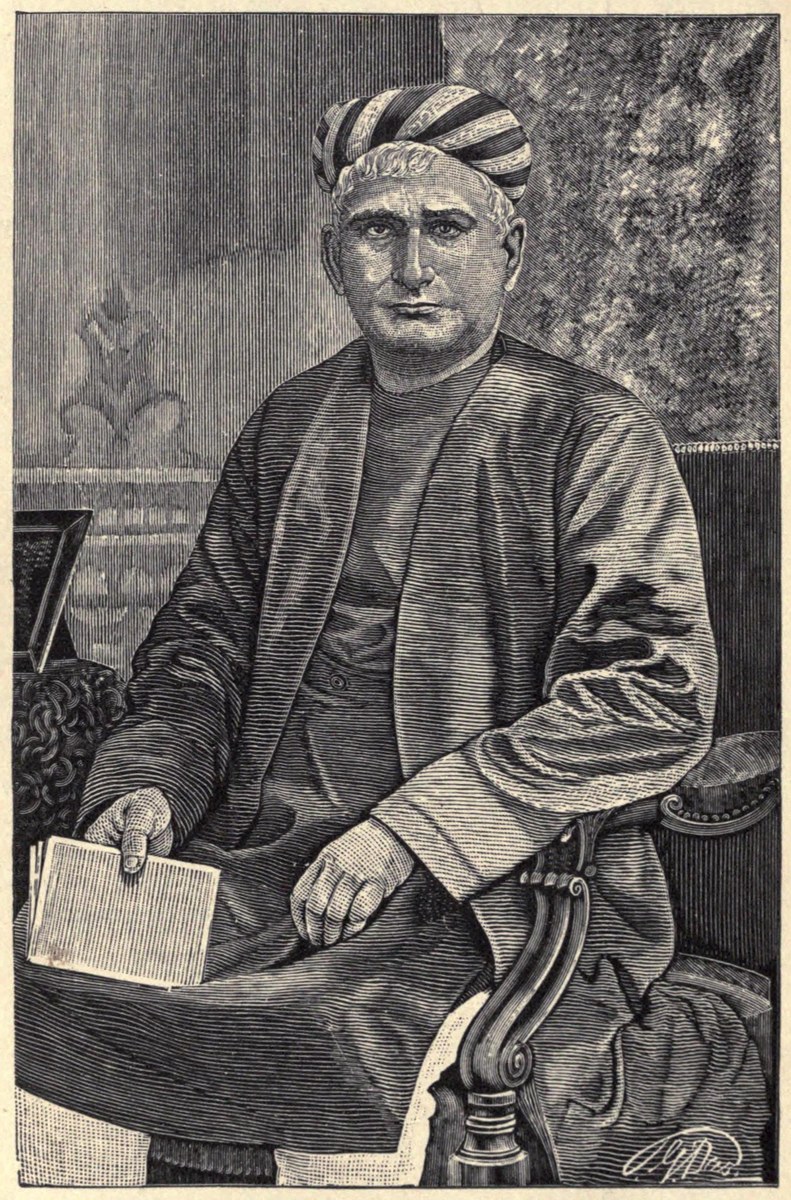

Unknown engraver, 'Bankim Chandra Chatterjea', in R. C. Dutt, The Literature of Bengal (Calcutta and London, 1895); University of California Libraries scan, Internet Archive, public domain · Portrait plate 'Bankim Chandra Chatterjea.' facing page 221 of Romesh Chunder Dutt, The Literature of Bengal, revised edition with portraits (Calcutta: Thacker Spink; London: Constable, 1895), from the University of California Libraries scan on the Internet Archive (item literatureofbeng00duttrich). The plate is a printed engraving by an unnamed engraver (illegible monogram) after an unnamed original, probably a photograph made in his lifetime; it is shown as a printed likeness copy, not as a documented sitting. The printed caption on the plate leaf names him. The file is the plate crop at 1626 x 2467 downscaled to 791 x 1200 with no upscaling. · Public domain (published in 1895; the Internet Archive record lists the book as not in copyright)
작가 · 19세기
반킴 찬드라 차토파디아야
1838–1894
영국령 인도 제국
주요 업적 분야
아직 성격 매칭에 포함되지 않았습니다 — 기록된 근거가 성격 모델 전체를 다루기에는 충분하지 않습니다. 이 페이지의 다른 모든 내용은 자유롭게 확인하실 수 있습니다.
핵심 특성
주요 업적
『두르게시난디니』(1865)와 『카팔쿤달라』(1866)를 비롯해 1887년까지 소설 열네 편을 펴냈으며, 방글라페디아는 그가 벵골어 문학에서 차지하는 자리가 소설과 산문에 대한 기여에 있다고 본다.
벵골어 산문을 갈고닦았고, 같은 시대의 비평가는 이를 '새로운 문체'의 창시라고 평했다. 그 전의 벵골어 소설은 산스크리트·페르시아 이야기를 옮긴 교훈적인 번역물이 대부분이었다.
1872년 월간지 『방가다르샨』을 창간해 편집했으며, 이 잡지에는 그의 연재소설과 에세이, 비평이 실렸고 방글라페디아는 이 잡지가 한 세대의 작가들을 길러냈다고 평가한다.
삶의 장면들
1872년 현직 부행정관으로 일하던 중 『방가다르샨』의 편집을 시작했고, 방글라페디아에 따르면 그는 이 잡지를 유럽 잡지처럼 객관적인 문학 비평의 장으로 만들고자 했다. 잡지는 4년간 발행되었다.
이는 바쁜 직업 생활 중에도 스스로 야심 찬 사업을 시작하는 모습과 일치한다. 선제적 행동력
후배 관리이자 학자인 로메시 천더 두트가 벵골어로 글을 써 본 적이 없다고 하자, 방킴은 1872년 모국어로 쓰라고 권하며 영어 글로는 오래 남지 못할 것이라고 말했다. 두트의 첫 벵골어 책은 2년 뒤에 나왔다.
이는 벵골어 문학을 키우려는 개인적 열의와 일치한다. 영향 창출 동기
전환점
영어 소설 『라즈모한의 아내』를 비롯한 초기 작품이 주목받지 못한 뒤 그는 1865년 벵골어 소설 『두르게시난디니』를 냈고, 같은 시대의 비평가는 이 작품이 벵골 문단을 놀라게 했다고 평했다.
이는 독창적인 목소리를 찾기 위해 언어와 형식을 바꾸는 태도와 일치한다. 창의적 독창성
비슷한 인물
전체적인 프로필이 이 사람과 닮은 사람들이에요.


치누아 아체베

찰스 디킨스

힐데가르트 폰 빙엔

에이다 러브레이스

레프 톨스토이
출처
- Bankim Chandra Chatterjee (Q377881), verified live via the Wikidata API (2026-11-05): English label 'Bankim Chandra Chatterjee', description 'Bengali writer, poet and journalist (1838-1894)', Korean label 반킴 찬드라 차토파디아야, birth 1838-06-26 and death 1894-04-08. Orientation only; not used as support for any row.
- Banglapedia (Asiatic Society of Bangladesh), 'Chattopadhyay, Bankimchandra' by Sirajul Islam, read in full. CANONICAL SIGNIFICANCE SOURCE: writer, journalist and government officer; one of the first BA batch of Calcutta University; deputy magistrate and deputy collector, honoured Rai Bahadur 1891 and CIE 1894, but 'made a place for himself in history not as an executive officer but as a writer'; first celebrated novels Durgeshnandini (1865) and Kapalkundala (1866) written while posted at Baruipur; all fourteen novels published by 1887; his place in Bengali literature 'rests on his contribution to the growth of Bangla fiction and Bangla prose', surpassing his peers in characterisation, description and refining prose; his periodical Bangadarshan (1872-76) 'created a generation of writers' and set a new critical style, though it lasted only four years. Modern scholarly reference with a CRITICAL voice: it judges his later turn to Hindu-revivalist writing, the historical novels and his view of Hindu-Muslim history harshly, and says his literary personality dimmed in later years until overtaken by Tagore and Nazrul. Its political and nationalist material is context only and is not scored.
- EBSCO Research Starters, 'Bankim Chandra Chatterji' by Jack Ewing (2024), read in full. A modern reference biography: educated at Hooghly and Presidency College and an early Calcutta University graduate; deputy magistrate in the Indian Civil Service from 1858 to 1891; first novel in English (Rajmohan's Wife), then Durgeshnandini (1865) and Kapalkundala (1866); founded the monthly Bangadarshan in 1872, 'determined to be a positive force in stimulating the intellect of the Bengali people', which carried his stories, humorous sketches, historical essays, religious discourses, criticism and book reviews and serialised Vishavriksha from 1873; alternated essays, humorous sketches and historical or romance fiction; credited with helping establish prose as a viable literary vehicle in Bengali. It also says he was transferred often for failing to show proper respect to his British superiors (single unsourced line, not scored). Independent of the other readings in its details but a short summary.
- Romesh Chunder Dutt, 'The Literature of Bengal' (revised edition with portraits; Calcutta: Thacker Spink, and London: Constable, 1895), chapter XIX 'Bankim Chandra Chatterjea and his Novels' and its author's footnote (Internet Archive scan from the University of California Libraries, OCR text read: pages 221 to 235 and the portrait plate). A contemporary Bengali scholar and civil servant, writing a year after Bankim's death: calls him in prose what Madhu Sudan is in verse, 'the founder of a new style'; says Durgeshnandini 'taken by surprise' the literary world and that 'nothing so bold and original had been attempted in Bengali prose'; records that early critics condemned him as a denationalised imitator of European models; describes the Banga Darsan under his editorship as the most popular and ablest journal of the day, with younger writers contributing and profiting from his advice; mentions his novels, humorous tales, essays and a book on Krishna that surprised orthodox readers; and the author's own footnote on how Bankim in 1872 urged him to write in Bengali. Admiring and personal (Dutt was a younger acquaintance and beneficiary), so used with caution.
- Sri Aurobindo, 'Bankim Chandra Chatterji' (seven essays written in 1894 for the Indu Prakash, Bombay; Early Cultural Writings, Complete Works vol. 1, Sri Aurobindo Ashram Trust, 2003; Internet Archive scan, OCR text read: sections on his youth, official career, versatility and literary history). A near-contemporary admiring appreciation by a 22-year-old: calls him 'creator and king of Bengali prose', describes his early facility in study and a passion for Sanskrit that fed his new prose, his official postings and a vigorous record against indigo planters and river pirates at Khulna (told in heroic terms, no documents cited), his versatility and the small output of 'ten novels, two critical works on religion and some scattered literature' reckoned by him 'pure gold', first novel written in English then abandoned for Bengali, Durgeshnandini as 'the first-born child of the New Prose', and his editing of the Bangadarshan. Hagiographic in tone and written by a later nationalist leader; used only for episodes that other sources also record. The later 1907 political essay 'Rishi Bankim Chandra' was not used.
- Rabindranath Tagore, 'My Reminiscences' (English translation, New York: Macmillan, 1917; Internet Archive scan, OCR text read: the chapter 'Bankim Chandra', the passage on the Bangadarshan serial, and the notes on the Evening Songs and the Academy). A younger fellow writer's account: the Bengali reading public took the serialised Bangadarshan 'by storm' (Chandrasekhar, Vishavriksha); Bankim at a graduates' reunion hurrying from the room when a pandit recited a vulgar verse; Bankim wearing Tagore's Evening Songs garland and praising the book to Ramesh Chandra Dutt; Bankim closing his editorship of the Bangadarshan and starting the monthly Prachar for religious discussions; and a period of public controversy between the two, ended by a letter from Bankim that Tagore says showed 'consummate generosity' (the letter itself is lost). A memoir by a writer who knew him and later became famous himself, so partly self-report about Tagore and partly an independent observation of Bankim; Bankim's role in the Academy was noted as lukewarm.