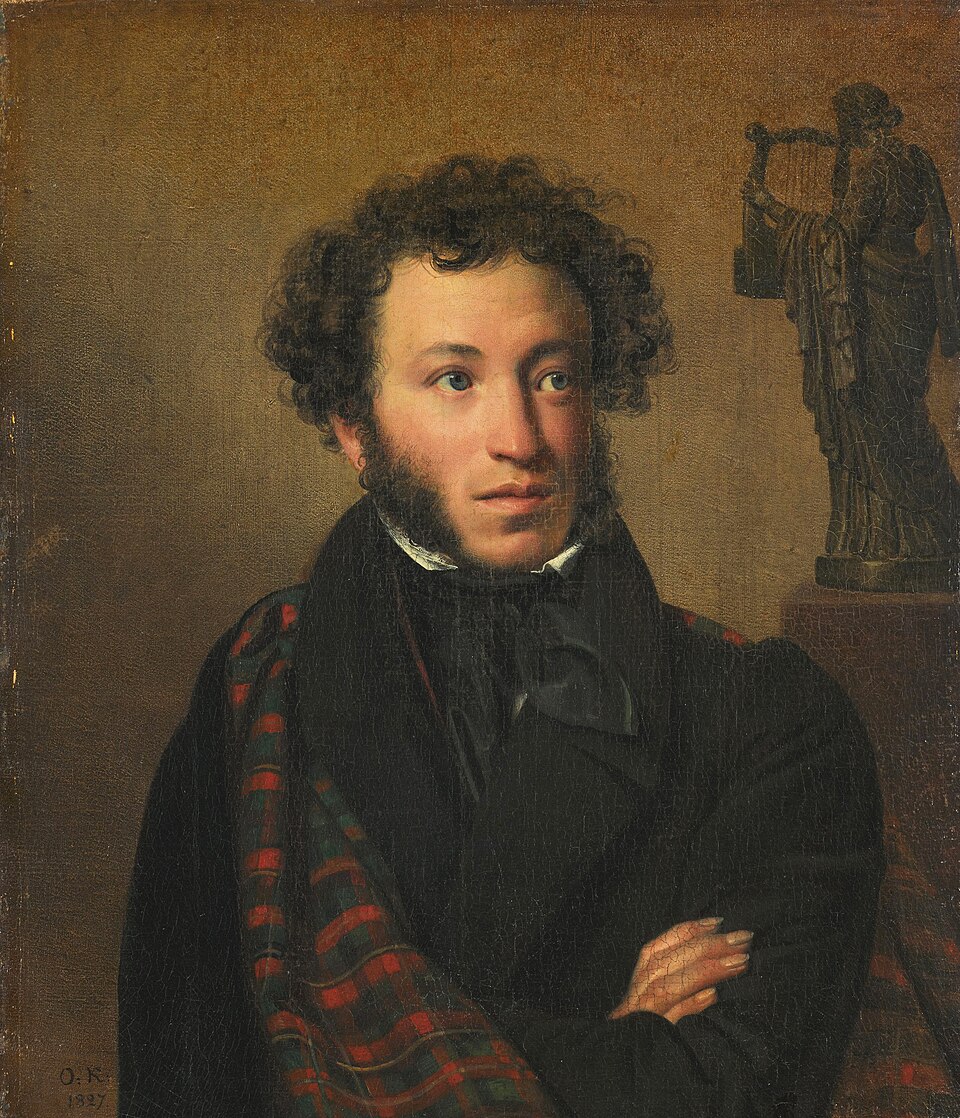

Orest Kiprensky, portrait of Alexander Pushkin, 1827, Tretyakov Gallery (public domain) · Portrait of Alexander Pushkin by Orest Kiprensky, 1827, oil on canvas, Tretyakov Gallery, Moscow, via Wikimedia Commons file 'Kiprensky Pushkin.jpg' (original 1759 x 2048; the 960 x 1118 Commons rendition is saved, not enlarged). The painter died in 1836, so the work is in the public domain; a faithful reproduction of a two-dimensional public-domain work adds no new copyright. · Public domain (painter Orest Kiprensky died 1836)
시인 · 19세기
알렉산드르 푸시킨
1799–1837
주요 업적 분야
아직 성격 매칭에 포함되지 않았습니다 — 기록된 근거가 성격 모델 전체를 다루기에는 충분하지 않습니다. 이 페이지의 다른 모든 내용은 자유롭게 확인하실 수 있습니다.
핵심 특성
주요 업적
그는 1823년에 쓰기 시작해 1833년에 전체가 출간된 운문 소설 『예브게니 오네긴』을 썼으며, 이를 위해 새로운 연 형식을 고안했다.
그는 현대 러시아 문학의 창시자로 평가받는데, 유럽의 전통과 러시아 민담을 바탕으로 현대 러시아 문학어의 토대를 마련하는 데 기여했다.
서정시와 풍자적 서사시 『루슬란과 류드밀라』(1820) 외에도 희곡 『보리스 고두노프』, 『벨킨 이야기』, 『작은 비극들』을 썼다.
삶의 장면들
1830년 가을 콜레라 격리로 볼디노 영지에 약 석 달 머물며 『예브게니 오네긴』의 마지막 장들을 끝내고 『벨킨 이야기』와 서른 편이 넘는 시를 썼다.
이는 방해받지 않을 때 집중적이고 빠르게 작업하는 능력과 부합한다. 실행 속도
전환점
1830년 볼디노에서 그는 예전에 싫어하던 산문으로 눈을 돌렸고, 『벨킨 이야기』는 그의 글쓰기에 새로운 갈래를 열었다.
이는 이전에 피하던 형식을 기꺼이 시도하는 태도와 부합한다. 실험 성향
비슷한 인물
전체적인 프로필이 이 사람과 닮은 사람들이에요.


마야 안젤루

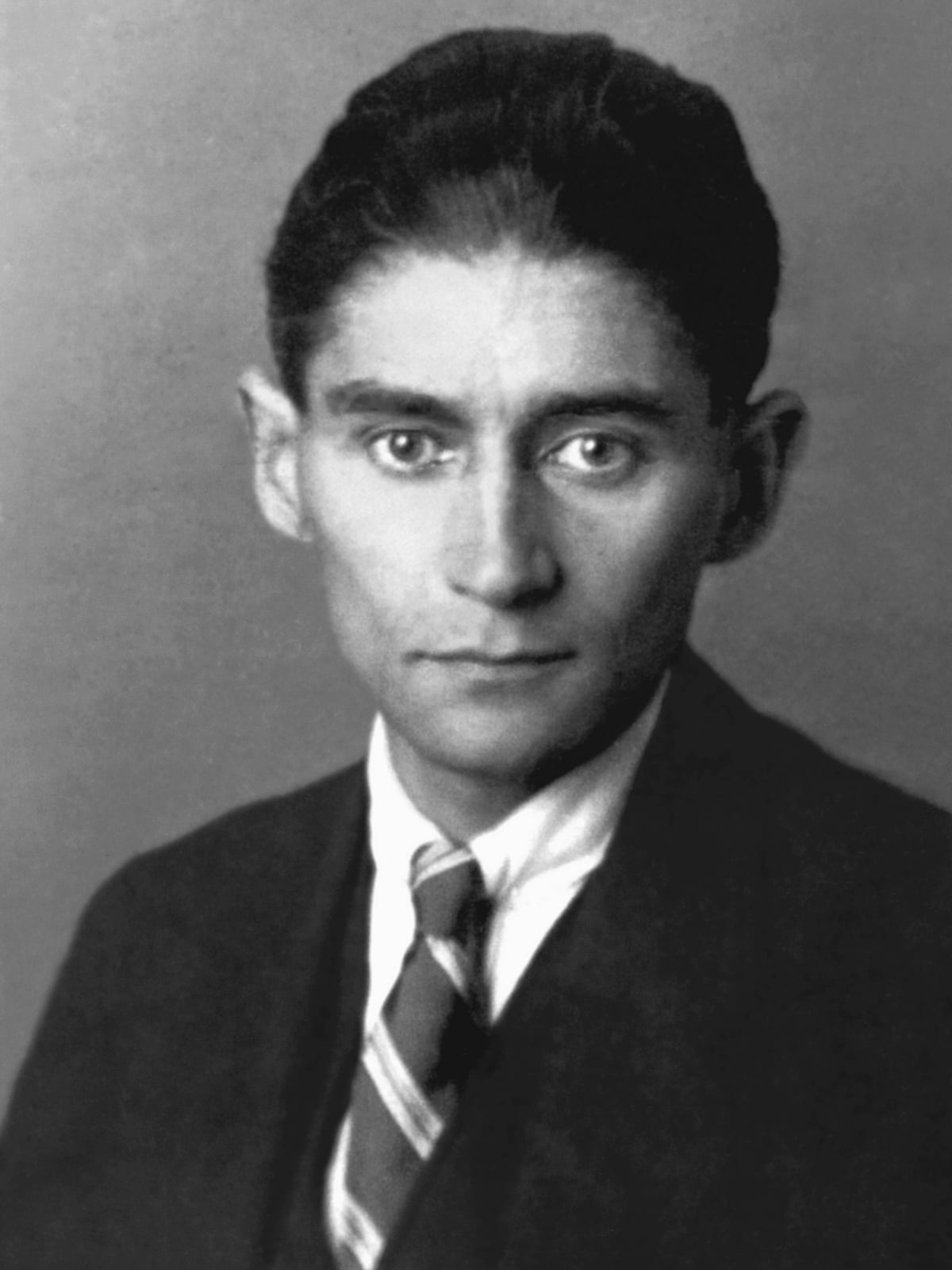
프란츠 카프카

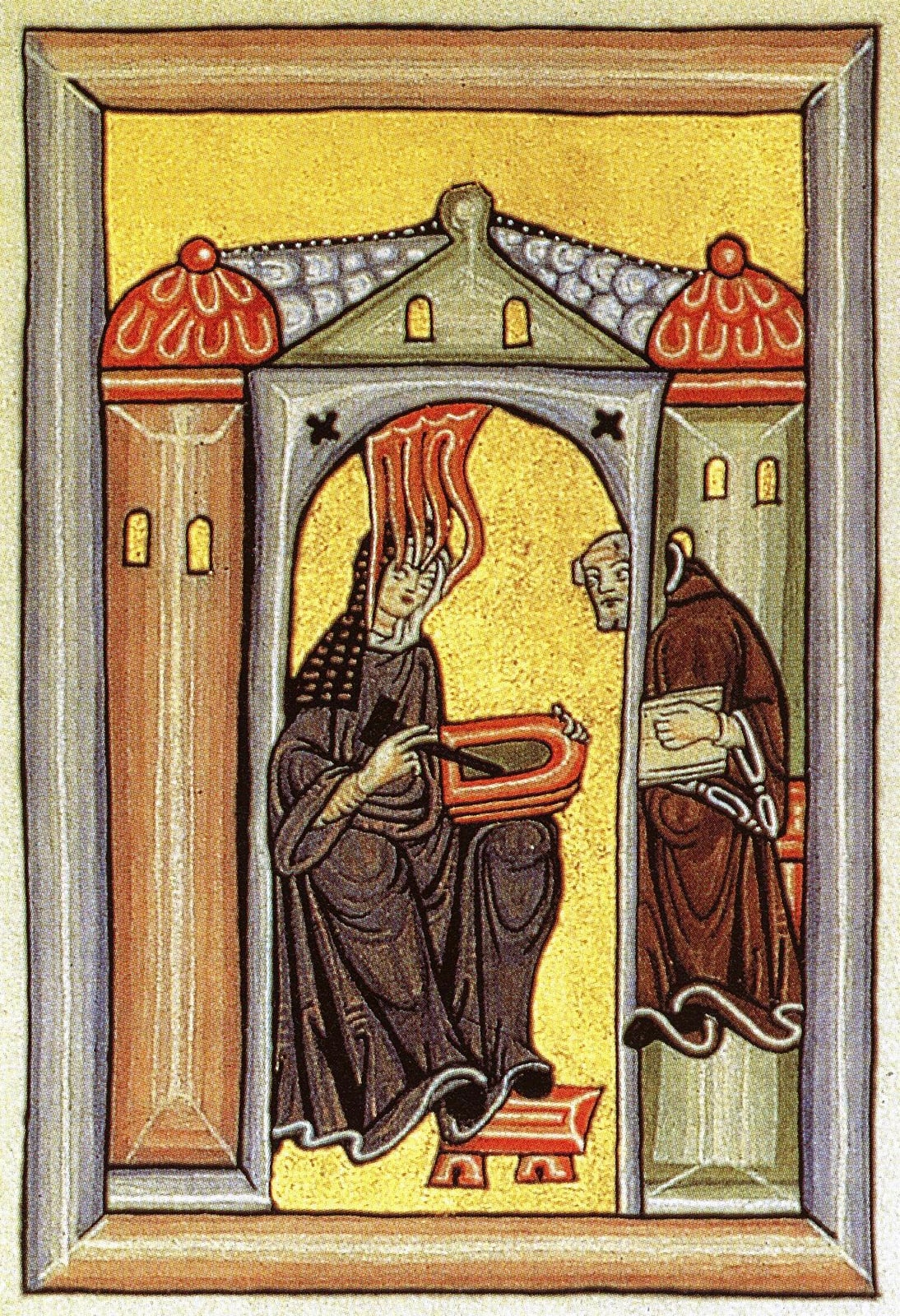
힐데가르트 폰 빙엔

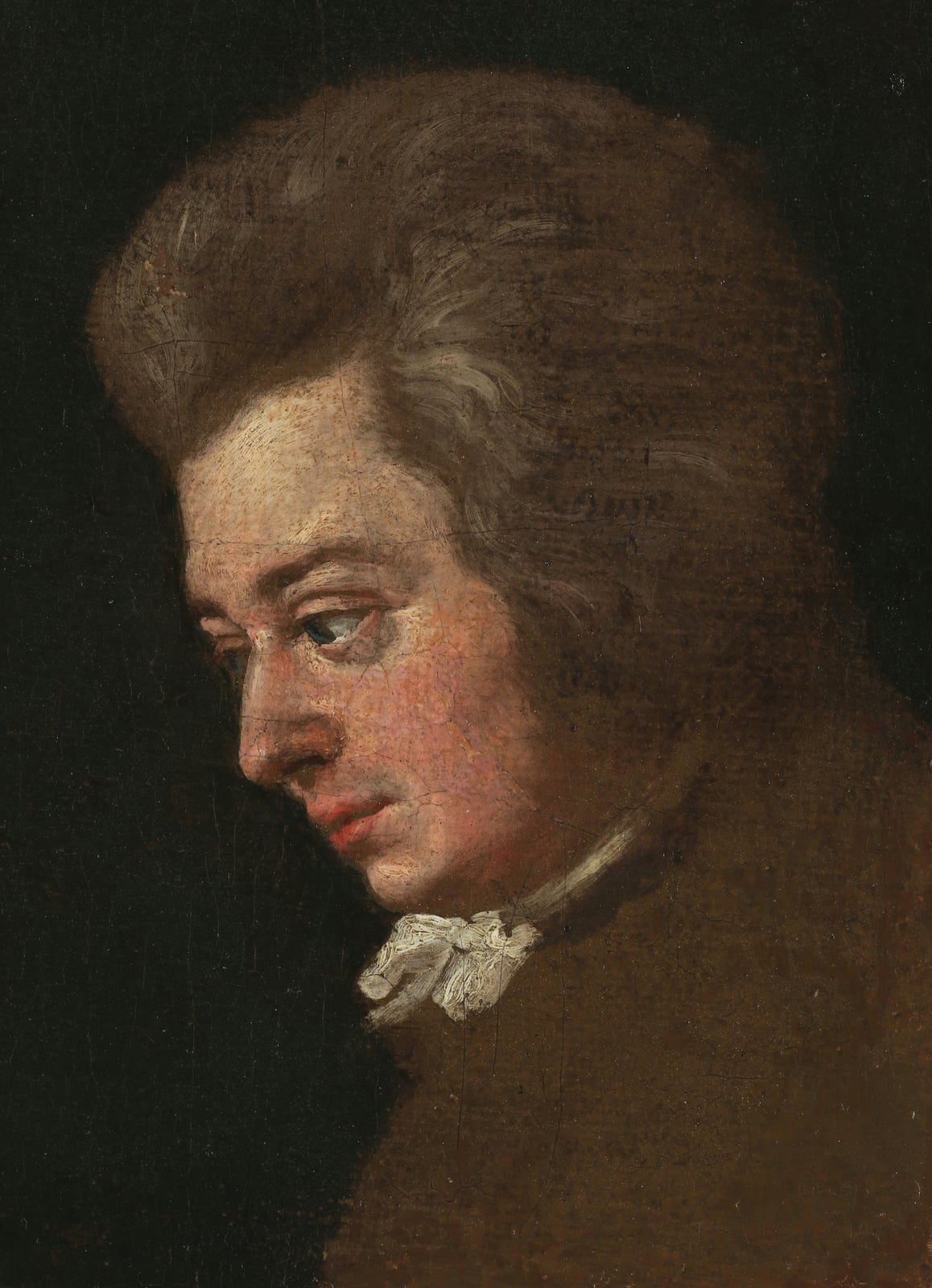
볼프강 아마데우스 모차르트

표도르 도스토옙스키
출처
- Alexander Pushkin (Q7200) -- verified live via the Wikidata API (2026-10-24): English label 'Alexander Pushkin', description 'Russian poet, playwright, and novelist (1799-1837)', Korean label '알렉산드르 푸시킨', P18 image 'Kiprensky Pushkin.jpg'. Orientation only; not used as support for any row.
- Poetry Foundation, 'Alexander Pushkin' biography, read in full. CANONICAL SIGNIFICANCE SOURCE: Russia's most famous poet; the verse novel Eugene Onegin begun at the end of 1823, written over seven years and published in full in 1833, in which he invented a new stanza; the mock epic Ruslan and Liudmila (1820) broke with prevailing verse traditions; exile from 1820, later release by Nicholas I with his work still frequently censored and his letters intercepted; statue unveiling in 1880 with speeches by Dostoevsky and Turgenev. Institutional, admiring and retrospective; the duel and the marriage passages were read and left unscored.
- Academy of American Poets, 'About Alexander Pushkin' (poets.org), read in full: short biography naming Eugene Onegin, the closet drama Boris Godunov (1831) and the short story 'The Queen of Spades' (1834) as his major works and calling him a major figure of modern Russian literature. Brief institutional orientation, independent of the Poetry Foundation text.
- Times Higher Education review of T. J. Binyon's biography 'Pushkin' ('Untimely ebb of an ocean of talent', 14 November 2003), read in full: Binyon's stated aim to free the man from the heroic myth; Nicholas I appointing himself Pushkin's personal censor and failing to grasp the formal innovation of Boris Godunov; surveillance of the poet after exile; a dissolute St Petersburg youth; the reviewer's limits (no new sources, little discussion of the works). Review of a biography, read instead of the book itself; a sceptical, demythologising voice.
- History Extra / History Hit feature 'Splendid isolation: great minds who triumphed in lockdown' (history.co.uk), Pushkin section read: the three months at the family estate at Boldino in autumn 1830, stranded by a cholera outbreak, the most productive period of his career, with the last chapters of Eugene Onegin and over thirty poems, and a strict routine described in a letter. Popular history article; quotes a letter of Pushkin's.
- Open magazine column 'Love and Literature in the Time of Cholera' (openthemagazine.com), read in full: Pushkin at Boldino in 1830, taking only three books, turning to prose that he had previously disliked, the Belkin stories and the last chapters of Onegin, with Nabokov quoted on the number of masterpieces produced there. Popular column; some detail repeats the History Extra feature, so the two are not counted as independent for the Boldino episode.
- New World Encyclopedia, 'Alexander Pushkin' (read in full): founder of modern Russian literature; before him there was no commonly accepted literary language, and he synthesised European traditions with Russian folklore; pardon by Nicholas I in 1826 and subsequent strict censorship; Eugene Onegin, Boris Godunov, the Belkin tales and the Little Tragedies; the court rank of Junior Chamberlain; his dissolute youth. A general, derivative encyclopedia entry, used for orientation on literary significance and as a second description of his style innovations.
- Wikimedia Commons file page 'Kiprensky Pushkin.jpg' (Orest Kiprensky, 1827, oil on canvas, Tretyakov Gallery, Moscow; licence tags Public domain and Creative Commons Public Domain Mark 1.0), checked for the portrait only.