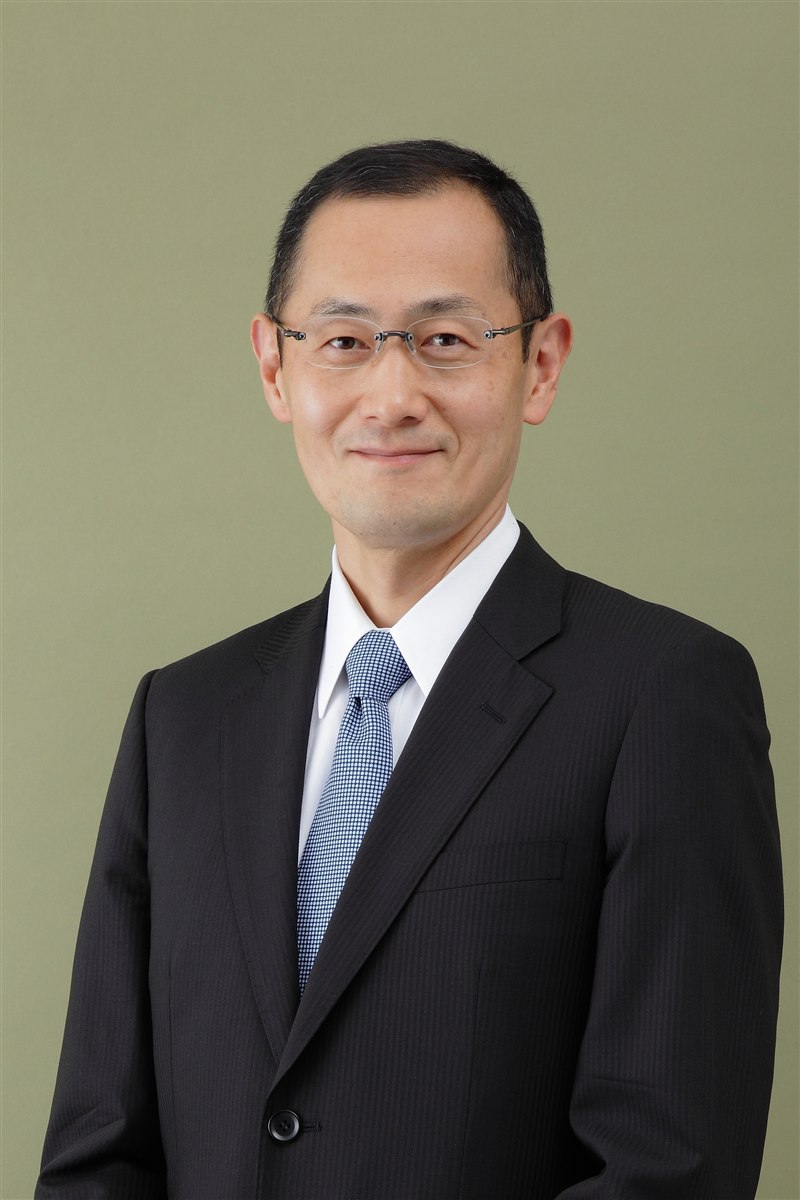
Japan Academy (Ministry of Education, Culture, Sports, Science and Technology, Japan), 2014, CC BY 4.0 · Japan Academy (Nihon Gakushiin) official member photograph of Shinya Yamanaka, taken 26 December 2014 per EXIF, published on the Academy's member page and re-uploaded to Wikimedia Commons as 'Shinya Yamanaka 20141226.jpg' (original 2176 x 3265) under the Government of Japan Standard Terms of Use 2.0, which are compatible with CC BY 4.0. The Academy's site is listed among the sites covered by the Ministry of Education (MEXT) website terms of use, which allow free reuse including commercial use with attribution. Downscaled to 800 x 1200 from the Commons original; no upscaling. · CC BY 4.0
medical researcher · Contemporary
Shinya Yamanaka
b. 1962
Known For
Not yet included in personality matching — the documented evidence doesn't yet cover enough of the personality model. Everything else on this page is fully available.
Trait Constellation
Key Achievements
In 2006, with Kazutoshi Takahashi, he showed that introducing just four genes turns mature mouse cells into pluripotent stem cells, which he named iPS cells.
He shared the 2012 Nobel Prize in Physiology or Medicine with John Gurdon for the discovery that mature cells can be reprogrammed to become pluripotent.
In 2007 his lab reported human iPS cells, on the same day as James Thomson's lab with a different gene set, and from 2008 he led Kyoto University's Center for iPS Cell Research and Application toward clinical use.
Moments That Reveal Them
He introduced all 24 candidate ES-cell genes into skin cells at once; colonies appeared only with the full mixture, and Takahashi then narrowed them to four factors.
This is consistent with a willingness to run a bold, all-at-once experiment on a long-shot idea. Creative Originality
In June 2011 he presented data from ten embryonic and fifty iPS cell lines to answer critics, conceding that some iPS lines do differ from embryonic stem cells.
This is consistent with answering criticism with data rather than denial. Analytical Rigour
Turning Points
After residency as an orthopaedic surgeon he left surgery for a pharmacology PhD in 1989 and a mouse-genetics postdoc in San Francisco, a path that led to stem-cell research.
This is consistent with a willingness to change fields when he judged he could do more good elsewhere. Adaptability
Similar People
People whose overall profiles resemble theirs.


Maya Angelou

Sequoyah

Ruth Bader Ginsburg

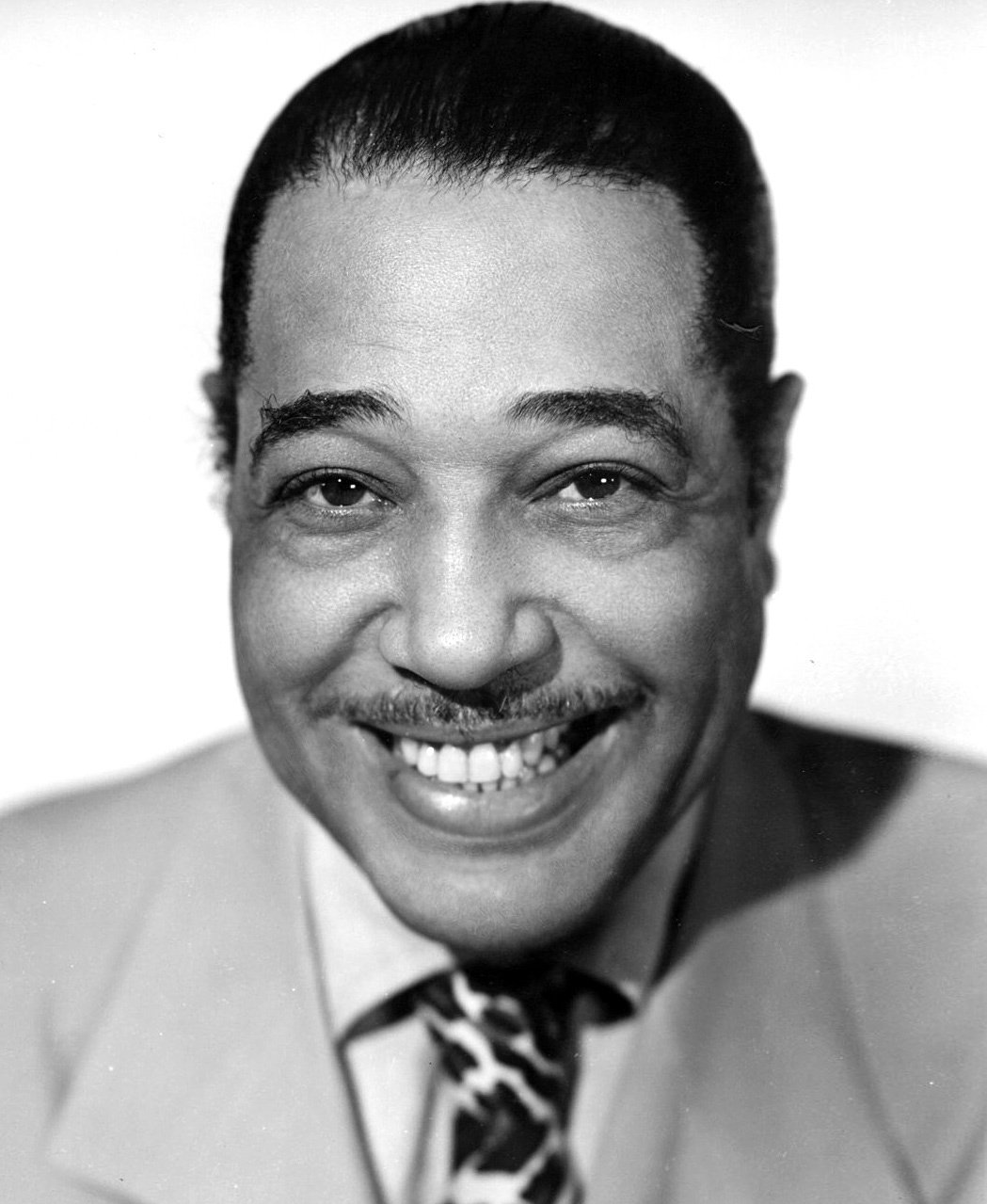
Duke Ellington

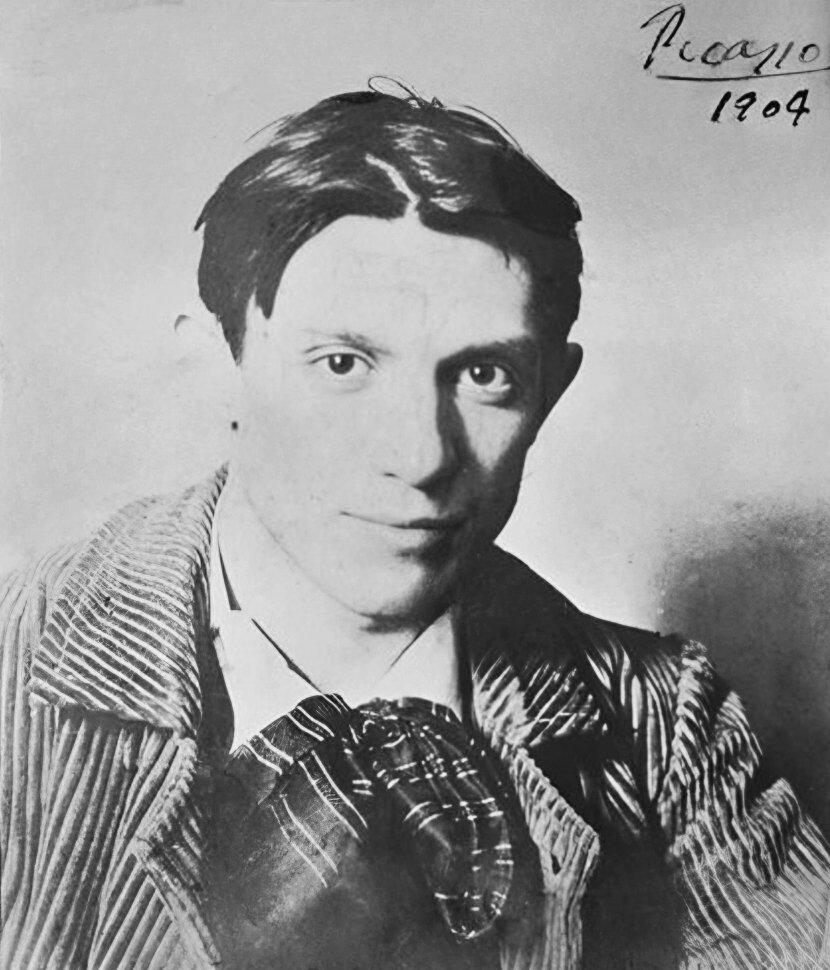
Pablo Picasso
Sources
- Shinya Yamanaka (Q80917) -- verified live via the Wikidata API (2026-10-26): English label 'Shinya Yamanaka', description 'Japanese doctor and medical scientist (born 1962)', born 1962-09-04, no date of death, citizenship Japan, Korean label present. Orientation only; not used as support for any row.
- Nobel Assembly at Karolinska Institutet, 'The Nobel Prize in Physiology or Medicine 2012 - Press release', read in full. CANONICAL SIGNIFICANCE SOURCE: the prize was awarded jointly to John B. Gurdon and Shinya Yamanaka 'for the discovery that mature cells can be reprogrammed to become pluripotent'; Gurdon showed in 1962 that specialisation is reversible by nuclear transfer in frogs, and Yamanaka discovered more than 40 years later, in 2006, how intact mature mouse cells could be reprogrammed to stem cells by introducing only a few genes. An award-body summary: admiring and retrospective.
- Nobel Committee for Physiology or Medicine, 'Scientific Background: Nuclear Reprogramming' (Advanced information, Nobel Prize in Physiology or Medicine 2012), read in full for the Yamanaka section: his earlier Nanog and Eras work, the choice of 24 ES-cell transcription factors tested in one step, narrowing to Myc, Oct3/4, Sox2 and Klf4 (Takahashi and Yamanaka 2006), the absence of germ-line transmission in the first study and its achievement a year later by Yamanaka's group in parallel with the Jaenisch and Hochedlinger groups, and the 2007 human iPS cells from Yamanaka's and James Thomson's laboratories using different factor combinations. A committee text: authoritative, careful about priority and parallel work, admiring in tone.
- Shinya Yamanaka, 'Biographical' (Nobel Prize autobiography written at the time of the 2012 award), read in full: his own account of medical training, switching from orthopaedic surgery to basic science, a pharmacology PhD, the Gladstone postdoc, return to Japan, the Nat1 work that many journals rejected, the 24-gene screen carried out by Kazutoshi Takahashi, the naming of iPS cells, the 2006 and 2007 papers, the same-day human iPS cell reports of his and Thomson's labs, CiRA, and running the 2012 Kyoto Marathon to raise donations. SELF-ACCOUNT: never the sole support for a row. Family, health and emotional passages were read and excluded from scoring.
- Nature news blog, 'Researchers rebut critiques of stem cells derived from adult cells' (June 2011), read in full: Yamanaka defends iPS cells at the ISSCR meeting in Toronto after a year of publications on gene-expression and epigenetic differences from embryonic stem cells and a report of immune rejection of some iPS transplants; he shows unpublished data from ten embryonic and fifty iPS lines that some but not all iPS lines differ, concludes there is wide heterogeneity, says he cannot tell whether the immunogenicity differences are statistically significant; Rudolf Jaenisch reports a vector-based explanation for a reproducibility discrepancy. COUNTER-VOICE and independent journalism.
- Millennium Technology Prize, 'Shinya Yamanaka produces first clinical-grade iPS cells' (13 June 2014, interview-based news story), read in full: Yamanaka on beginning GMP-standard iPS cell production, his estimate that general availability will take at least ten years, on the discovery coming 'a combination of good strategy and good luck' from more than 10,000 candidates narrowed to 24, on his collaboration with Masayo Takahashi at RIKEN on a macular degeneration trial, and on the 2014 STAP controversy at RIKEN and a correction he made to a 2000 paper figure (Kyoto University found no problem with the conclusions). Interviewer-written; the controversy passages were used only as context and are unscored.
- Shinya Yamanaka, 'Research that Supports Our Fundamental Understanding of iPS Cells' (Japan Society for the Promotion of Science, Kakenhi essay no. 71), read in full: the Nat1 funding, the argument for sustained basic-research grants, the 2006 and 2007 iPS cell reports, the safety problems of early iPS cells (retroviral integration and the c-Myc oncogene), the later episomal vectors and L-Myc substitution, and CiRA's public donation drive. SELF-ACCOUNT on an institutional site.
- Gairdner Foundation, 'Shinya Yamanaka' (2009 Canada Gairdner International Award winner profile), read in full: dated career chronology (Kobe MD 1987, Osaka City University PhD 1993, Gladstone postdoc 1993-96, Osaka City 1996, Nara Institute of Science and Technology 1999-2003, Kyoto 2004, CiRA director 2008). Chronology source.
- International Balzan Prize Foundation, 'Shinya Yamanaka: Bio-bibliographie' (2010 Balzan Prize for Stem Cells), read in full: career positions and a list of his most important papers, including the 2009 Nature Biotechnology study of variation in the safety of iPS cell lines and the 2008 work on iPS cells without viral vectors and without Myc. Chronology and bibliography source.
- Japan Academy (Nihon Gakushiin) member page for Shinya Yamanaka, the Wikimedia Commons file page 'Shinya Yamanaka 20141226.jpg' (author: Japan Academy; licence CC BY 4.0 via the Government of Japan Standard Terms of Use 2.0), and the Ministry of Education website terms of use (MEXT) which list japan-acad.go.jp among covered sites. Checked for the portrait only.