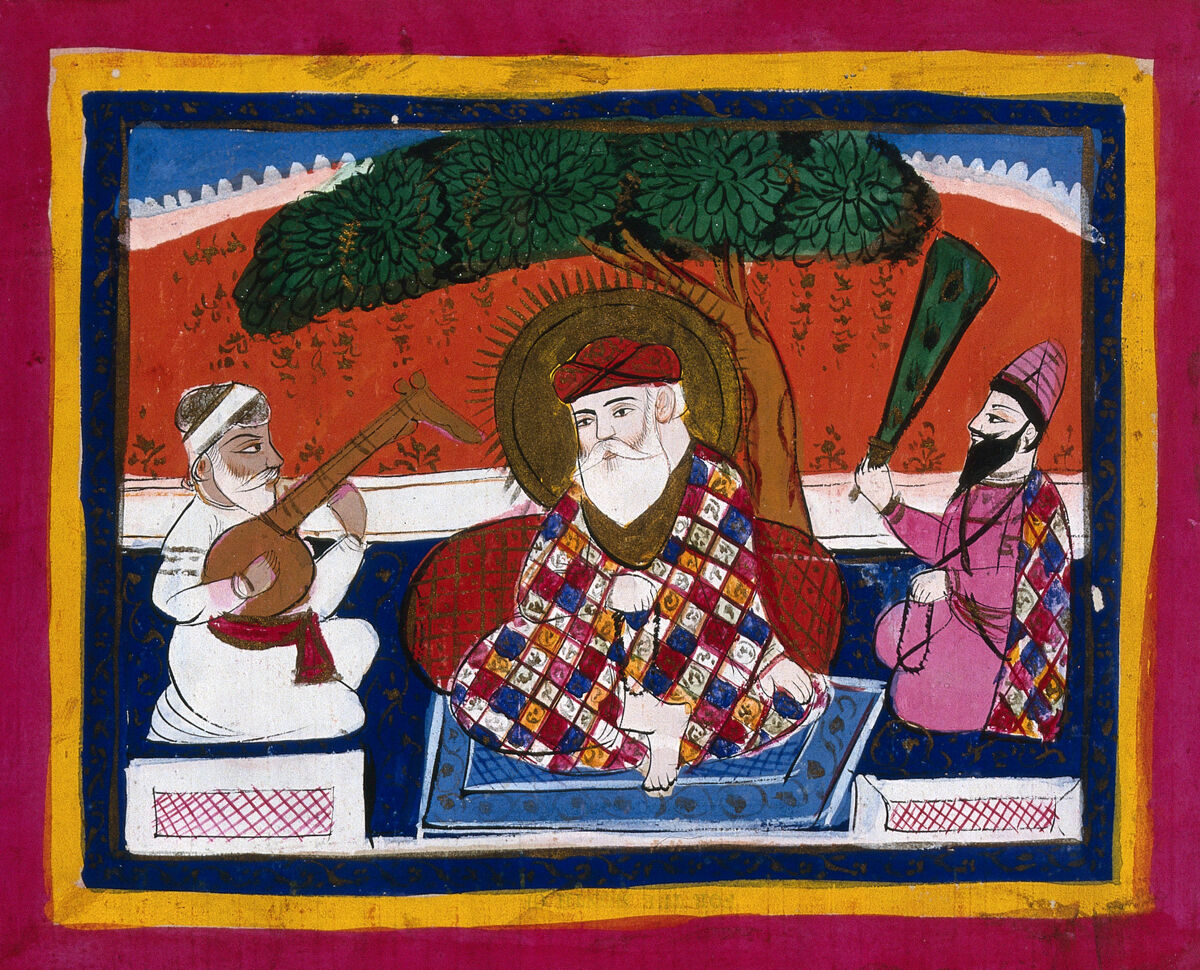
Unknown artist, Guru Nanak attended by his musician and holy man, gouache, probably 19th century, Wellcome Collection 27298i, Public Domain Mark · Gouache drawing 'Guru Nanak attended by his musician and holy man' (page 101 of an album of Company drawings), unknown artist, Wellcome Collection reference 27298i, collection formed by Henry S. Wellcome. Wellcome's catalogue API marks the digital image with the Public Domain Mark; the Commons description dates it 'likely circa 19th century' (the catalogue itself gives no date). A later devotional picture painted centuries after his death, so shown as a later depiction and not as a likeness. Original image 2964 x 2396 pixels from the Wellcome IIIF server, downscaled to 1200 x 970 with no cropping and no upscaling. · Public Domain Mark (Wellcome Collection)
religious leader · Early Modern
Guru Nanak
1469–1539
Known For
Not yet included in personality matching — the documented evidence doesn't yet cover enough of the personality model. Everything else on this page is fully available.
Key Achievements
He is revered as the founder and first Guru of Sikhism, a monotheistic faith centred on meditation on the divine name; the sources agree on little of his life beyond this and his hymns.
Many of his devotional hymns, composed for communal singing, survive in the Adi Granth, which opens with the Mool Mantar that Britannica credits to him.
He spent his last years at Kartarpur, where a community of disciples gathered around him, and he chose his follower Angad as successor before his death.
Moments That Reveal Them
At Kartarpur he gave his followers a daily pattern of devotion, teaching and ordinary labour, according to McLeod's reconstruction as summarised by Webster.
This is consistent with a leader who built a practical community structure and not only a body of teaching. Leadership Drive
Turning Points
After his travels he settled at Kartarpur in the Punjab by about 1520 and spent his last two decades there, the period when scholars place the foundations of the Sikh community.
This is consistent with a shift from itinerant teaching to deliberately gathering a settled community. Leadership Drive
Similar People
People whose overall profiles resemble theirs.


Nelson Mandela

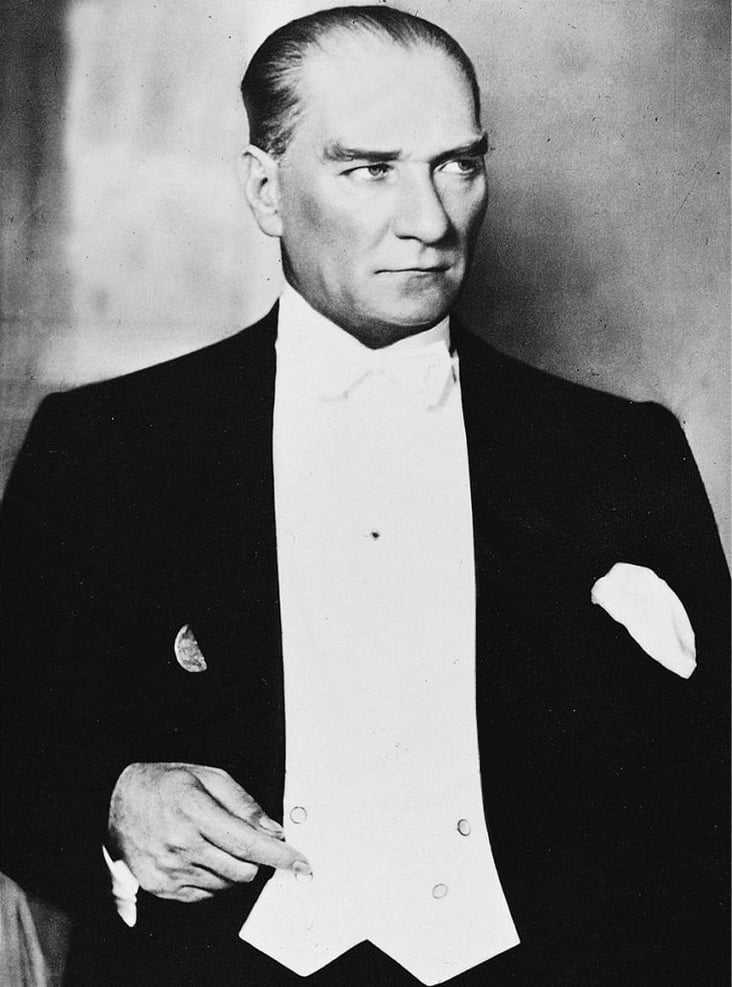
Mustafa Kemal Atatürk

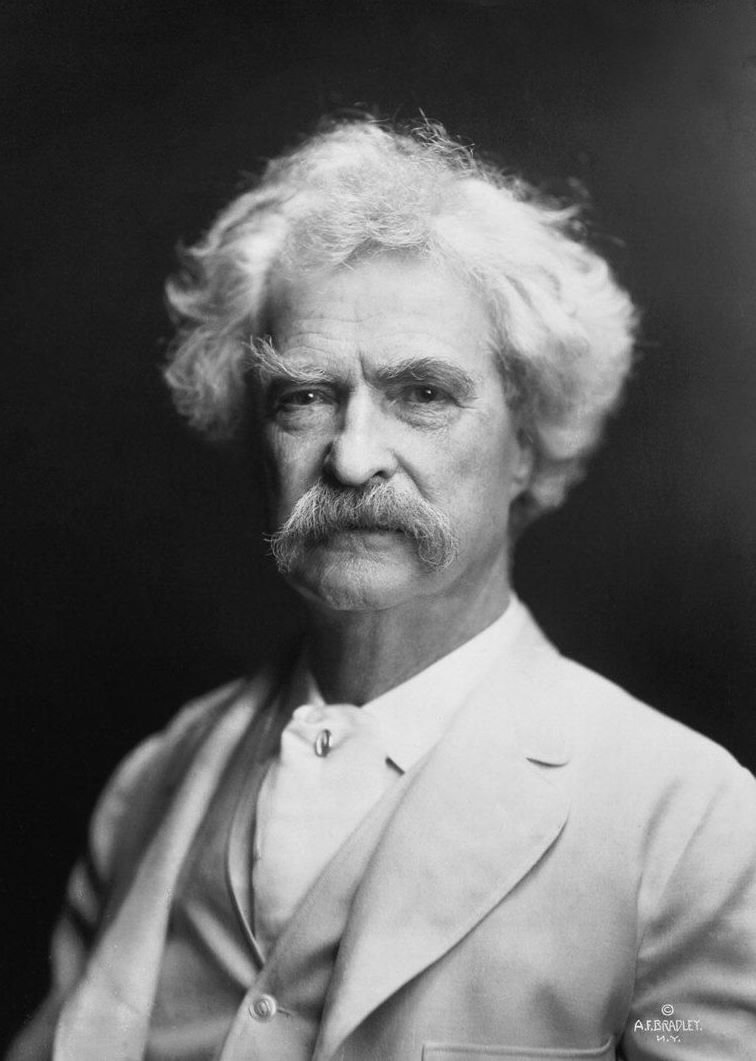
Mark Twain

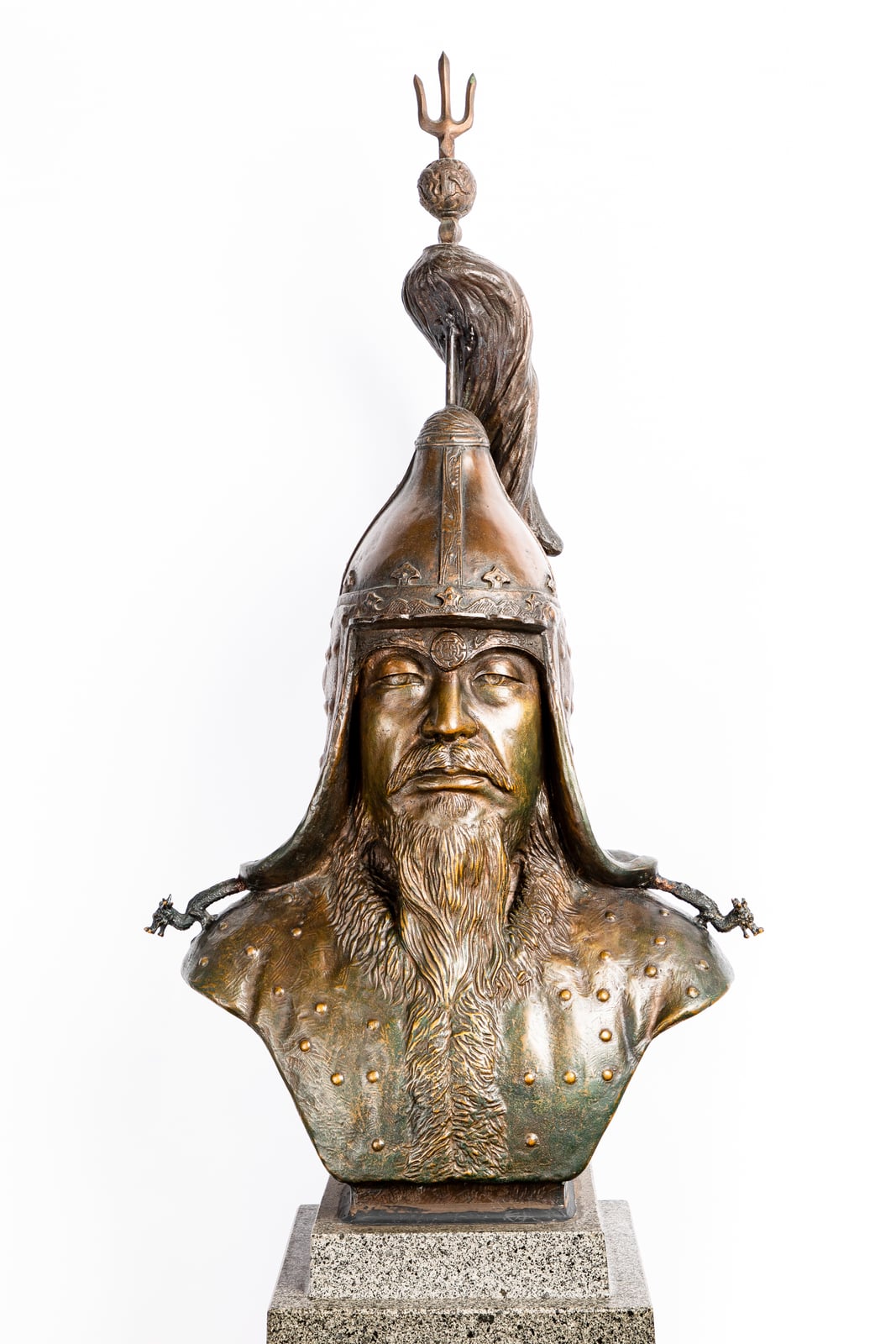
Yi Sun-sin

Akio Morita
Opposite Profile
Not a rival — a different profile shape worth a look.

Katherine Johnson
Sources
- Guru Nanak (Q83322), verified live via the Wikidata API (2026-10-30): label 'Guru Nanak', description 'First Sikh Guru and founder of Sikhism', born 1469-04-15, died 1539-09-22 (also 1538 and 1539-05-07 as other values), Korean label present, image 'Mural painting of Guru Nanak from Gurdwara Baba Atal Rai.jpg'. Orientation only; not used as support for any row.
- Encyclopaedia Britannica, 'Guru Nanak', written by W. H. McLeod (read in full from the public web page). CANONICAL SIGNIFICANCE SOURCE: revered as founder and first Guru of Sikhism; says little about his life survives except through legend, anecdote and the janamsakhi anthologies; the revelatory experience at about thirty comes from a janamsakhi; his travels cannot be positively identified; four of his hymns refer to Babur's attacks so he had returned to the Punjab by 1520; the last years were spent at Kartarpur where 'it must be assumed' disciples gathered and the foundations of the Sikh community were 'presumably' laid; he chose Angad as successor; the year of death is disputed between 1538 and 1539. Scholarly encyclopedia entry by the historian most associated with the critical study of the sources; it hedges most episodes.
- Encyclopaedia of Sikhism (Punjabi University, Patiala), entry 'Kartarpur', read in full: the village on the right bank of the Ravi to which the settlement owed its origin, where Guru Nanak spent the last two decades of his life with his family, which became the principal seat of the Sikh faith, where Lehna (later Guru Angad) came for instruction and was named successor, and where he died in 1539; the habitation was later washed away by the river. Reference work written from within the Sikh scholarly tradition.
- Encyclopaedia of Sikhism (Punjabi University, Patiala), entry 'Bala Janam Sakhi', read in the first part: explains that the Bala tradition claims eyewitness authenticity through Bhai Bala, that the earliest extant version is dated 1525 in its own opening but that neither modern theory of its origin accepts its self-description because of its 'inconsistencies and fantasies', and that the claim was challenged in the twentieth century without being wholly demolished. Used to separate legend from scholarship; the later sections of the entry were not read.
- John C. B. Webster, 'Guru Nanak and the Historians', Journal of Sikh and Punjab Studies 30:1, read in full (about 85,000 characters via the Global Institute for Sikh Studies PDF): a historiographical survey that says, apart from his own contributions to the Adi Granth, historians rely on janamsakhis written long after his death and 'hagiographic, and hence very problematic'; compares McLeod, Grewal, Pashaura Singh and Gurinder Singh Mann on what he did at Kartarpur (the sangat, dharamsala, langar, a devotional pattern of regular devotion, teaching and daily labour, and the nomination of a successor), and records Mann's critique of McLeod's scepticism. Independent scholarly overview that exposes disagreement; the primary works it discusses were not opened.
- Kirpal Singh, 'Janamsakhi Tradition: An Analytical Study' (Singh Brothers, Amritsar, 2004), preface, contents and closing chapter 'Light Merges with the Divine Light' read from the publisher's PDF (the remaining roughly 650,000-character text was searched for langar and Kartarpur only): a former head of Punjab Historical Studies at Punjabi University who defends the janamsakhis as preserving authentic data from the hymns and Bhai Gurdas, argues against critics who question their historical validity, and describes Kartarpur worship, the compilation of the Japu with Lehna and the death at Kartarpur. Traditionalist counter-voice to McLeod's scepticism, so used only to show the dispute and for the Kartarpur description.
- Wellcome Collection record hjc7d4tw (reference 27298i), 'Page 101: Guru Nanak attended by his musician and holy man. Gouache drawing', unknown artist, Public Domain Mark in the Wellcome catalogue API, checked for the portrait only; not used for any scoring.